How to look after your garden during a hosepipe ban
A nationwide hosepipe ban has come into effect today and will remain in place until 26 August.If you spent the weekend relaxing in your garden in the sun with a good book, you may have noticed some parched soil, wilting plants and brown patches spreading across your lawn.
A nationwide hosepipe ban came into effect on Frida 24 July and will remain in place until 26 August. It applies to all households and prohibits the use of hosepipes for activities such as washing cars, watering gardens and filling paddling pools, and according to Uisce Éireann, the ban is already helping to replenish their drinking water supplies.
While the restrictions might be disappointing for many keen gardeners who have spent months carefully cultivating their outdoor spaces, there’s no need to let all that hard work go to waste.
We spoke to some gardening experts who have shared their top tips for keeping your garden healthy and helping it survive a hosepipe ban this summer.
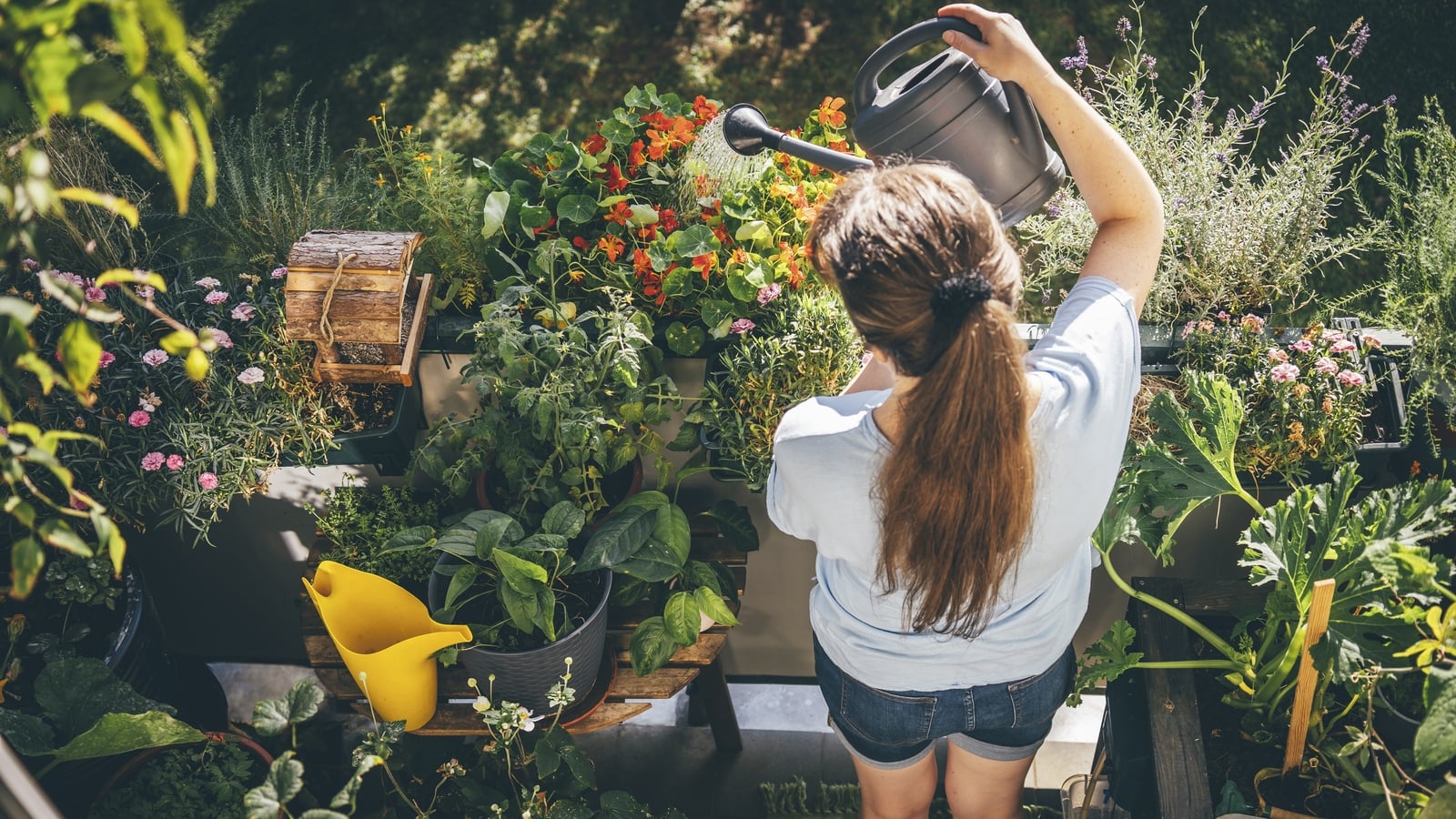
Fill up a watering can
Use a watering can to get your garden through hot weather
"Using a watering can is the easiest and most effective way to water your plants during a hosepipe ban," says Mark Dwelly, head gardener at luxury retirement village Audley Stanbridge Earls.
"If you have a water butt, then use water from that first. Once that’s dried up, then fill up the watering can from a tap."
Use grey water
You could also use water from a bath or a shower.
"Some people put a bucket at the bottom of the shower and collect it as they’re showering and you can collect grey water from the dishwasher and the washing machine, too," says Matt Adams, founder and lead gardener at The Relentless Gardener.
Try to water early in the morning or late in the evening
Try to avoid midday watering when the sun is at its hottest
Dwelly says that getting all your watering done early in the mornings or late in the evenings will be the most effective.
"If you water your plants around midday, the water will evaporate a lot quicker due to the high temperatures," explains Dwelly. "Whereas, when it’s cool during the early mornings and late evenings, the plants will absorb it a little bit quicker and won’t dry out quite as quick."
Water the soil directly
Instead of sprinkling some drops of water over the leaves, go closer to the roots.
"Make sure you water the base of the plant rather than just over the foliage, so that the water definitely gets into the soil," advises Dwelly.
Some plants prefer deep watering from time-to-time rather than frequent light bursts.
"For example, with hydrangeas it’s better to do deep watering into the soil two or three times a week rather than trying to do a little bit of water every day because the water will get deeper into the root system," says Adams. "It’s the same with roses and salvia. They don’t need wet roots constantly, but they do need deep watering every now and again."
Use a wetting agent
"You could use a wetting agent on the grass to help it hold the water in the soil for longer," suggests Adams.
Prioritise the more needy plants
Give the thirsty plants some extra TLC
"Flowers like hydrangeas do tend to suffer a bit in the heat and go a bit floppy, so they are quite thirsty plants that need lots of water at the roots," says Dwelly. "Roses and crocosmia also tend to suffer a bit in dry conditions as well."
However, some plants are more tolerate to drier conditions.
"Plants like salvia, lavender, agastache and penstemon don’t necessarily need as much watering as they can tolerate really dry soil," says Adams.
Use farmyard manure
"If you use farmyard manure on your flower beds, that’ll definitely help keep moisture in your soil," says Adams. "However, it won’t be suitable for all plants."
Use mulch
Protect the soil with some mulch
"Having a good mulch on the beds can help prevent the soil from drying out," says Dwelly. "We usually mulch around April when there’s still moisture in the soil.
"A good layer of bark chippings will also help to retain some of the moisture as well."
Move your potted plants around
Make sure your potted plants get some shade
"If you’ve got pots on castor wheels, then I would recommend moving them into the shade or putting a light fleece over the top," suggests Dwelly.
Keep the lawn grass a bit longer
"Don’t mow the grass right down to the soil," says Adams. "If you are going to mow it, mow it on the highest setting.
"When the grass is longer, the roots go further down into the soil, which means they can get a little bit more moisture into them."