Portugal emerges as a safe-haven destination in Europe as global travel patterns shift
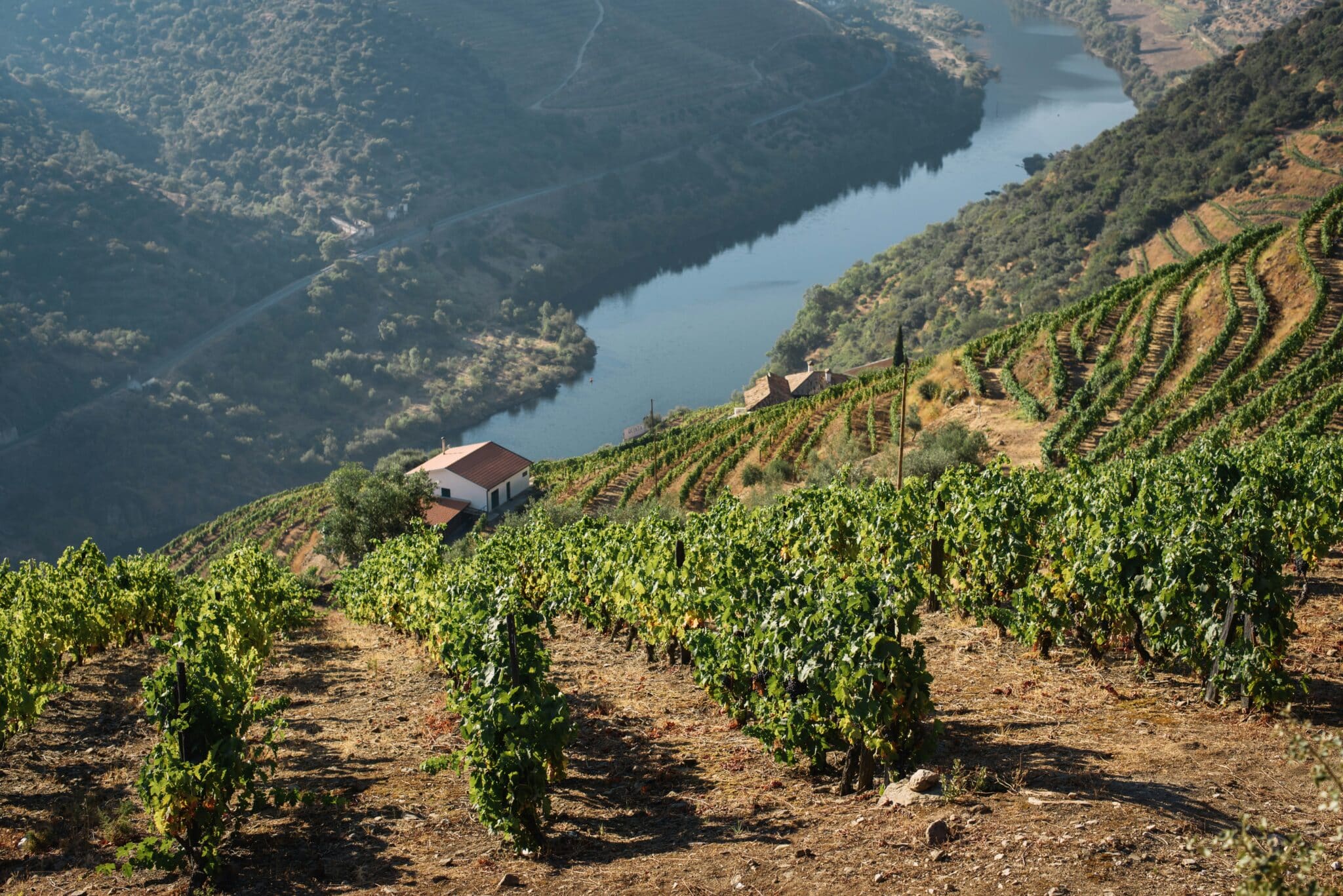
Douro Valley - Photo: Maksym Kaharlytskyi/Unsplash
As conflict and political instability continue to affect parts of the Middle East, Portugal is emerging as one of the unexpected beneficiaries, with the country seeing a noticeable rise in tourism demand as travellers seek destinations perceived as safe, stable and easily accessible.
According to international travel industry data, Portugal and neighbouring Spain are experiencing stronger-than-expected bookings as holidaymakers rethink their plans, opting for Southern Europe over destinations closer to geopolitical flashpoints. While much of the shift has been driven by concerns over security, Portugal’s established reputation for political stability, welcoming atmosphere and excellent air connectivity is helping it stand out.
For a country where tourism accounts for around 15% of GDP, even relatively small changes in international travel patterns can have a significant economic impact.
The Algarve, already one of Europe’s most popular summer destinations, is particularly well placed to benefit. Long favoured by British, Irish, German and Dutch visitors, the region also continues to attract growing numbers of North American tourists, many of whom are visiting Portugal for the first time.
Unlike destinations that rely heavily on a single source market, Portugal enjoys one of Europe’s most diversified visitor profiles. That diversity has helped the country weather previous travel disruptions, from the pandemic to airline strikes and economic downturns.
Airlines have also played an important role.
Over the past decade, carriers including TAP Air Portugal, Ryanair, easyJet, British Airways and Jet2 have significantly expanded services to Faro, Lisbon and Porto, making Portugal one of Europe’s most accessible holiday destinations. Strong competition has also helped keep fares relatively attractive compared with many Mediterranean rivals.
The latest change in booking patterns comes at a time when Portugal’s tourism industry is already enjoying another robust year.
Hotel occupancy has remained high throughout the summer, while restaurants, tour operators and local businesses continue to benefit from healthy visitor numbers. In many parts of the Algarve, accommodation availability has become increasingly limited during peak weeks, reflecting sustained demand despite continuing concerns over inflation and the cost of living across Europe.
For tourism businesses, the changing international landscape presents both opportunities and challenges.
Higher demand supports revenues and employment, but it can also place additional pressure on accommodation supply, transport infrastructure and staffing. Visitors may also encounter higher room rates during peak periods as hotels respond to increased demand.
Industry experts caution that geopolitical shifts can change quickly and that today’s booking trends should not necessarily be viewed as permanent. Nevertheless, Portugal appears well positioned to benefit from a broader trend that has been developing for several years.
Increasingly, travellers are placing greater emphasis on destinations offering not only sunshine and beaches, but also political stability, reliable healthcare, good transport links and a sense of personal security. Portugal consistently scores highly across all of those measures.
That reputation has become one of the country’s strongest tourism assets.
The country’s low crime rates, modern infrastructure and friendly international image have helped it attract not only holidaymakers but also remote workers, retirees and investors looking for a stable European base.
For airlines, the outlook is equally encouraging. Continued demand may encourage carriers to maintain or even increase capacity into Portuguese airports beyond the traditional summer season, helping extend tourism into the shoulder months and supporting year-round employment across the sector.
The latest booking trends also reinforce Portugal’s growing reputation as more than simply a summer destination. City breaks in Lisbon and Porto, wine tourism in the Douro Valley, surfing on the Atlantic coast and nature tourism in the Alentejo and the Azores are all contributing to a more balanced tourism offering.
While no country benefits from global instability, Portugal is demonstrating how a reputation built on safety, stability and quality can become a significant competitive advantage when travellers reconsider where they want to spend their holidays.
If current booking patterns continue, 2026 could become another record-breaking year for Portuguese tourism — further strengthening one of the country’s most important economic success stories.