
Remember me





 This Laundry Habit Everyone Does “Because It Makes Sense” Is
Damaging Your Clothes Without You Knowing
This Laundry Habit Everyone Does “Because It Makes Sense” Is
Damaging Your Clothes Without You Knowing
You sort your darks from your lights, you measure the detergent carefully, and you never leave wet clothes sitting in the drum overnight. So your laundry routine must be flawless, right? Not necessarily. Some of the habits we repeat week after week – the ones that feel perfectly sensible – may actually be wearing out our wardrobes faster than we realize. And the financial toll adds up quietly, one ruined favorite top at a time.
Why your everyday habits might be costing you more than you thinkTo separate laundry fact from fiction, the National Consumer Unit visited the Good Housekeeping Institute and consulted Emma Seymour, associate director of the Textiles, Paper and Apparel Lab. What Seymour shared challenges several deeply ingrained assumptions about how we wash and dry our clothing.
The core issue is deceptively simple: many of the most common laundry habits are actually shortening the life of our favorite items and costing us money in the long run. We tend to trust our routines because they feel normal, but normal does not always mean harmless. Could the very steps you take to keep your clothes clean be the reason they look worn out so quickly?
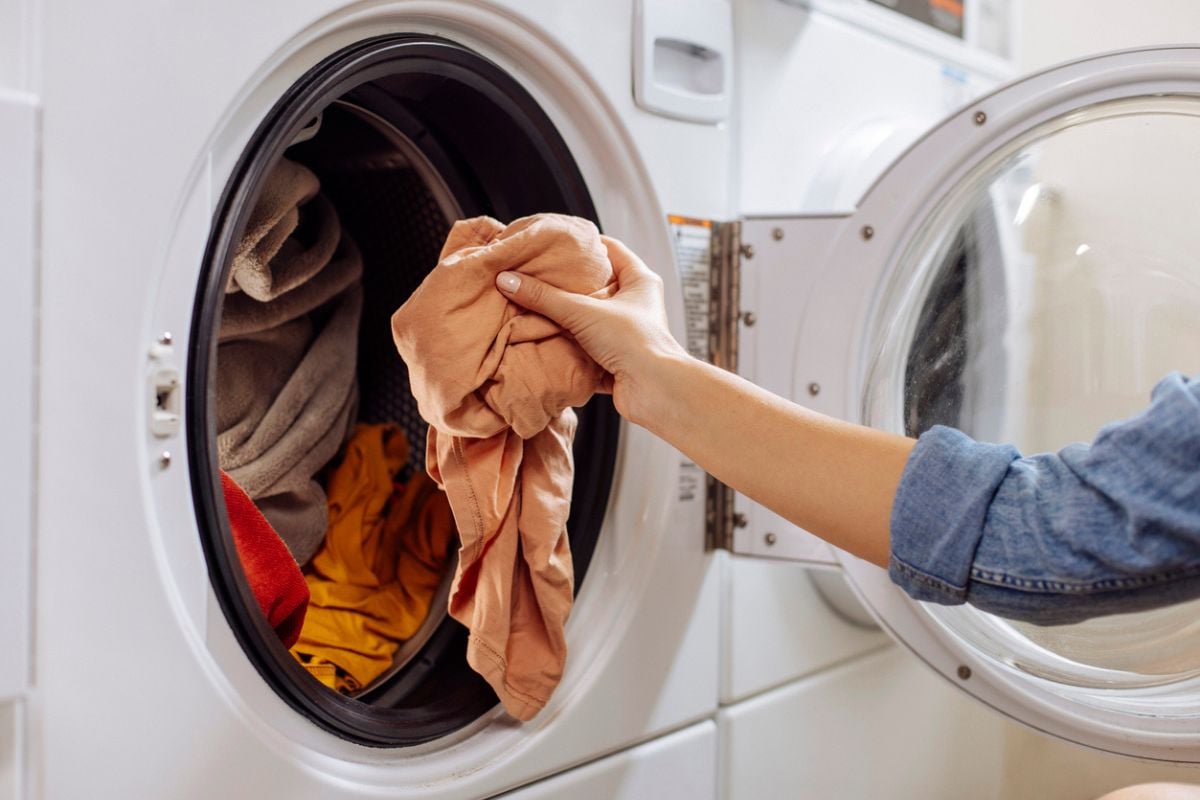
According to Seymour, the dryer is one of the biggest culprits. Certain items simply do not react well to the combination of high heat and the constant tumbling motion inside a dryer. It comes down to the finishes on a garment, the specific materials used, and the way individual fibers respond to intense temperature. Bras, for example, are particularly vulnerable. Heat can warp the cups into misshapen forms, and delicate lace can tear under the mechanical stress of tumbling. Beyond that, the hooks and hardware on bras can snag other garments sharing the same drying cycle, raising the risk of rips and damage to multiple pieces at once.
Seymour noted that if you are sweating heavily and need a thorough clean, high heat can be useful. But if your day has not involved a huge, high-intensity workout, air drying is the better route for preserving those items over time.
The small fixes that make the biggest differencePilling – those tiny, fuzzy balls that form on sweaters and knits – is one of those annoyances most of us handle instinctively: we pick at them with our fingers. That instinct, however, is doing more harm than good. According to Seymour, pulling pills off by hand can snag threads, stretch the fabric, loosen the knit structure, and create permanent damage. Fabric shavers, which are small handheld devices designed to gently remove pills from the surface of garments, are a far better option. They address the problem without compromising the integrity of the fabric underneath.
Then there is the matter of care labels, those little tags we so often ignore or snip off entirely. Experts generally recommend following them because they are specifically designed to help clothes last longer. In some cases, it is not even the main fabric that makes an item labeled “dry clean only” – it is the embellishments or delicate finishes attached to it. Respecting that guidance can meaningfully prolong the life of your garments. The Good Housekeeping Institute recently published a list of surprising items that should never go in the washing machine, along with tips to protect delicate fabrics and specialty garments, for anyone unsure about what belongs in the drum.
Why those viral cleaning hacks could backfireSocial media is overflowing with laundry shortcuts promising miracle results, but the experts at the Good Housekeeping Institute urge caution. Some homemade remedies and viral trends have been proven to stain fabrics, damage fibers, or even harm the washing machine itself over time. Sticking with products that are specifically designed and tested for fabric care remains the safest bet.
Take lemons, for instance. We know them as a natural cleaning powerhouse for surfaces like cutting boards and stovetops. But the acidic properties in lemons can discolor clothing and corrode the internal parts of your washing machine. Vinegar falls into the same trap. Despite viral hacks encouraging people to pour vinegar down the fabric softener dispenser to clean their machines, the Good Housekeeping Institute warns that vinegar can actually degrade the hoses and internal components over time. What looks like a cost-saving trick may end up creating a far more expensive repair bill.
What to take away from all of thisThe good news is that none of these fixes require a dramatic overhaul of your routine. Air dry the items that cannot handle heat. Use a fabric shaver instead of your fingernails. Follow the care label instead of guessing. And resist the urge to pour pantry staples into a machine that was not built for them. Small, informed adjustments are often the difference between clothes that last years and clothes that fade, shrink, or fall apart within a single season. Your wardrobe – and your wallet – will notice.
 Goodbye
Musty-Smelling Clothes: These Simple Habits Quietly Eliminate It
and the Last One Will Surprise You
Goodbye
Musty-Smelling Clothes: These Simple Habits Quietly Eliminate It
and the Last One Will Surprise You
 It’s
Not Infidelity: A Therapist Reveals the Real #1 Cause of Breakups
in Couples
It’s
Not Infidelity: A Therapist Reveals the Real #1 Cause of Breakups
in Couples
 This
Hidden Code on Your Old Levi’s Reveals if They’re Worth a Fortune
and Most People Never Check It
This
Hidden Code on Your Old Levi’s Reveals if They’re Worth a Fortune
and Most People Never Check It
 You
Have This Detail on the Back of Every Pair of Jeans and You Have No
Idea Why It’s There
You
Have This Detail on the Back of Every Pair of Jeans and You Have No
Idea Why It’s There
 This
Lipstick Shade Creates the Illusion of Whiter
Teeth
This
Lipstick Shade Creates the Illusion of Whiter
Teeth
 90%
of Women Wear the Wrong Sports Bra: This One Mistake Almost Nobody
Knows About Is the Reason Why
90%
of Women Wear the Wrong Sports Bra: This One Mistake Almost Nobody
Knows About Is the Reason Why