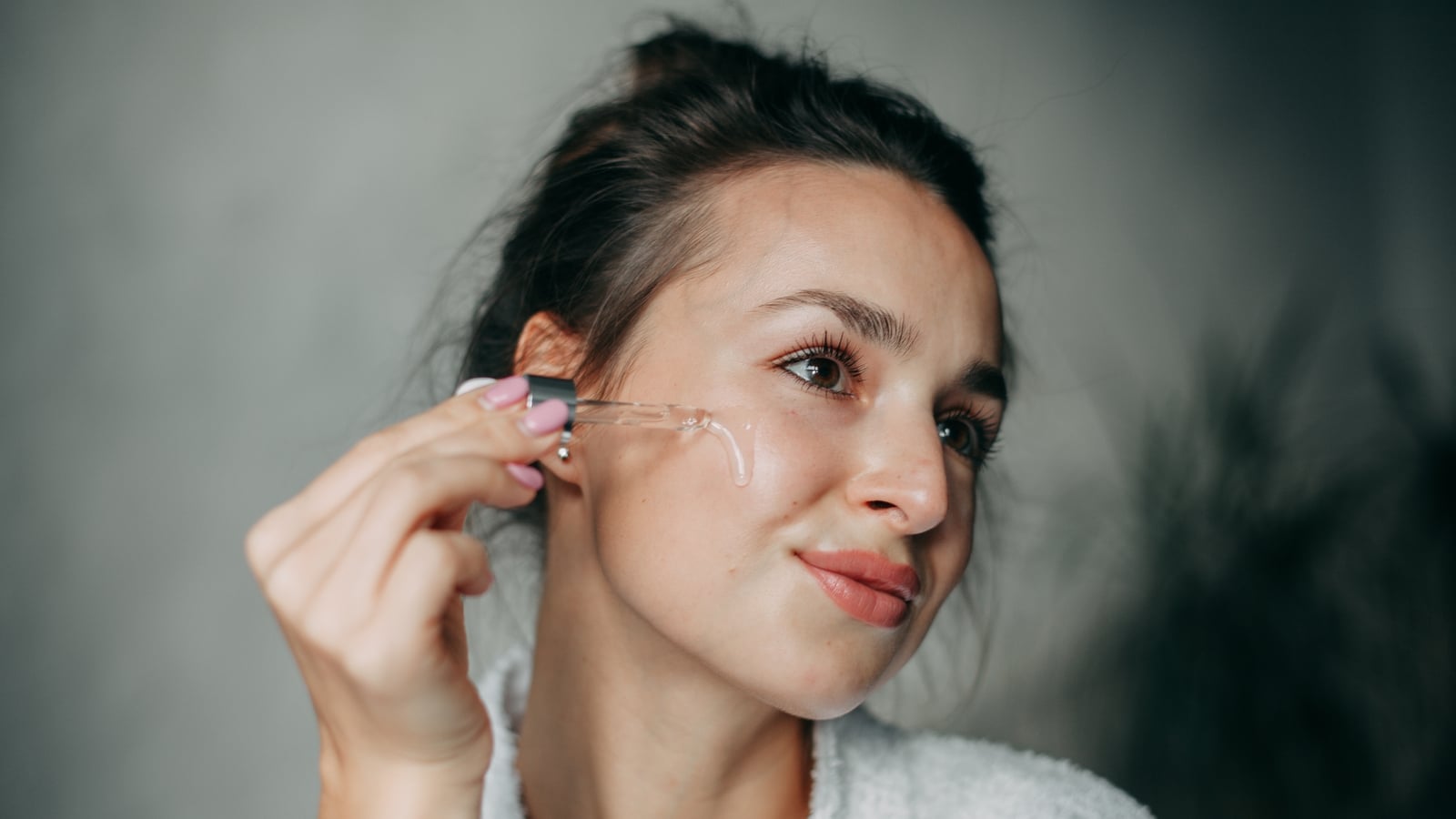
The 5 golden rules of using retinol in summer
Retinol is widely seen as the Holy Grail of skincare.
The list of benefits of using retinol, retinoids or retinal – all types of vitamin A – feel almost endless.
"It increases cell turnover, it stimulates collagen production, improves the skin texture, fine lines and wrinkles, and it is also commonly used to treat low-grade acne as well," explains consultant dermatologist Dr Aiza Jamil.
And the benefits don’t stop there, with Jamil continuing: "It also helps in combination with other pigment products to reduce dark spots, improve fine lines and rough texture – all those kinds of things."
Dr Ed Robinson, skincare expert and non-surgical cosmetic doctor, adds: "They also act on your sebaceous glands, which are your oil-producing glands, to make you produce less oil.
"There are so many different things it does, which is why I recommend it to almost all of my patients. The caveat to something that works really well is when it’s used improperly, it can cause problems."
And retinol can become a bit trickier to use in the summer, if you don’t know how to handle it properly.
"Retinol can cause your skin to be a bit more sensitive, because it speeds up the skin cell turnover," explains Jamil. Which is why she suggests there is an "increased risk of more sun sensitivity or sunburn" in the summer months when you’re exposed to more sunlight.
With that in mind, these are the golden rules of using retinol in the sunny months…
Rule 1: Wear sunscreen
Sunscreen is a must during summer – particularly if you use retinol
Both Jamil and Robinson recommend applying retinol at night, and both urge people to use plenty of SPF the next day – and it’s even more important during the summer months, when the sun is stronger.
"Sunscreen is a must, because the retinol can make your skin a bit sensitive to sun," explains Jamil.
Rule 2: Go low and slow
"Less is often more with these things," notes Robinson. "The kind of problems it can cause is if the dose is too strong [and] using it too frequently, you can get peeling, sensitivity, redness."
That’s why Jamil’s top piece of advice is to "start low and go slow" with retinol. "A common mistake is starting with a concentration that’s too strong", she says, as that can cause "disruption in the skin barrier", making it "more prone to sun sensitivity". She recommends using a pea-sized amount – not more.
Robinson also urges people to consider how often they’re using retinol. "You always want to use the lowest dose of something to achieve the desired effect and, for some people, that involves using retinol every single day – and that causes no problems for them whatsoever.
"Me personally, I can’t use retinols more than twice a week, otherwise my skin barrier starts to get quite irritated, and that’s fine. You use the lowest dose that gets you the benefit, and doesn’t cause any problems."
Rule 3: Stop if your skin feels sensitive
Strip back your routine if your skin starts to feel sensitive
"If you have got sunburned or irritated skin, I would recommend stopping [retinol], letting the skin heal," says Jamil.
"If you’re going to be out and about in the sun and using retinol – listen to your skin. If it’s becoming dry, if it’s becoming flaky, if you feel you’ve got sunburn, stop it, let the skin recover, and then restart it."
If you do find your skin feeling more sensitive in the sun, Robinson also suggests stopping retinol and any exfoliating products, instead "focusing on things that calm down inflammation and help repair the skin barrier, so moisturising agents are all non-negotiable".
Rule 4: Don’t combine with too many exfoliators
While this tip applies all-year round, it’s extra important in summer when your skin might be feeling more sensitive.
"Whenever you’re exfoliating, you’re removing the top layer of your skin cells, ideally the dead skin cells," explains Robinson.
"And if you introduce a new exfoliator when you’ve already got retinols, which are are increasing your cellular turnover, [it] can cause skin barrier upset if you have too much."
Using lots of other exfoliators "might mean you can’t use your retinol as frquently as you were before, or you potentially even need to lower the dose – or maybe just don’t use that abrasive product".
Plus, Robinson says people "often fall into the habit of over-exfoliating", when "most people only need to exfoliate twice, or max three times a week".
Rule 5: Don’t start retinol during especially hot weather
In a hot spell, it’s best to stick to what you know your skin likes
"Don’t increase your dose or start a product right before a period of a lot of sun, or before you go on holiday," advises Robinson, "Because you know it’s going to put you more at risk of burning."
For Robinson, if you’re already using retinol: "That’s fine, you can carry on. But I wouldn’t increase your dose or start a new product right before" being exposed to a lot of sun".
For more tips on staying safe in the sun, read the HSE's guide here.