Opinions expressed by Entrepreneur contributors are their own.
Key Takeaways
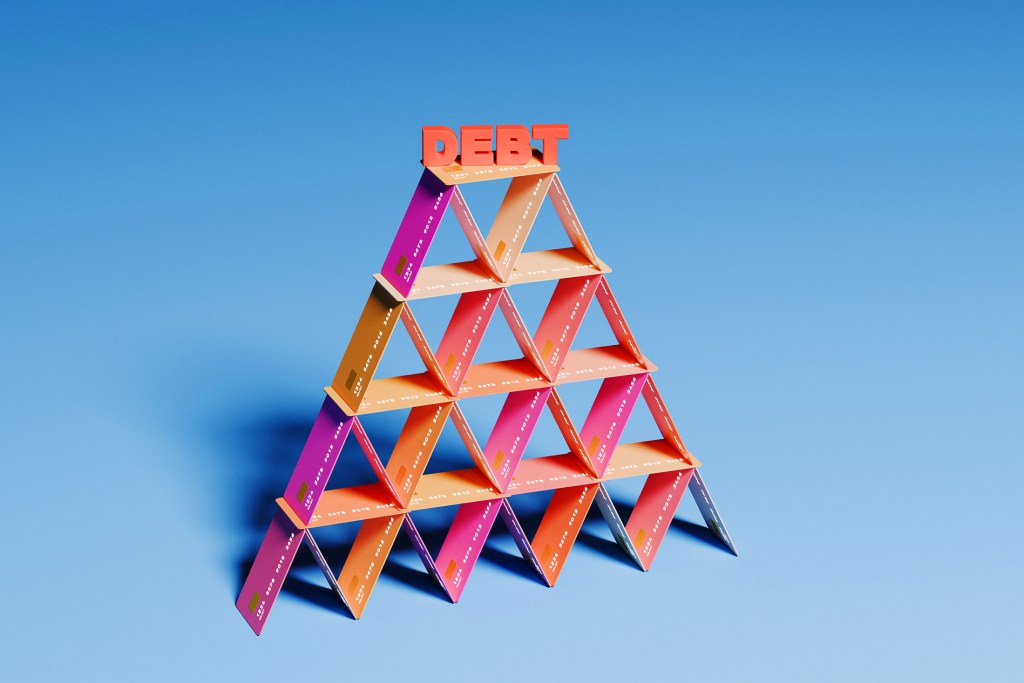
Debt itself is neither good nor bad. It amplifies the quality of the decisions behind it, accelerating growth when tied to assets with predictable cash flow and accelerating collapse when tied to speculative bets.
Robert Kiyosaki and Dave Ramsey hold nearly opposite views on debt. Ramsey’s caution toward debt is rooted in risk management, while Kiyosaki advocates for using debt to acquire cash-flowing assets.
But the debate isn’t really about debt. It’s about judgment. The right approach depends on your ability to assess risk, stay disciplined when markets are booming and understand the downside if assumptions prove wrong.
For decades, I have studied the writings of successful investors and entrepreneurs. One lesson becomes increasingly clear with time: Wisdom often comes from observing the hard-earned experiences of others before you experience them yourself.
Two men whose work I respect greatly are Robert Kiyosaki and Dave Ramsey. Both have built large audiences. Both openly discuss failure, setbacks, risk and financial discipline. Yet on one topic, they hold nearly opposite views: debt.
That fascinated me.
How could two intelligent and experienced men arrive at such different conclusions? Is one right and the other wrong? Probably not. The more interesting question is this: Under what conditions is each one right?
In simple terms, debt provides leverage. It allows a person or business to control more assets with the expectation of producing a larger outcome. Used wisely, it can accelerate growth. Used poorly, it can accelerate collapse.
When debt works — and when it doesn’t
Early in my own business’s life, I used debt to purchase existing tax practices. Those acquisitions increased revenue immediately and generated sufficient cash flow to comfortably service the debt. The assets I purchased produced income. This aligns closely with classic Kiyosaki thinking: Use borrowed money to acquire cash-flowing assets.
But I have also seen debt used very differently.
My company works with dozens of franchise owners who typically carry $200,000 or more of inventory. In many cases, the model works well because the inventory turns quickly and consistently produces free cash flow, thanks to good margins. In other situations, owners overestimated demand for a product line. This happens frequently with new retail operations in untested markets. Sales fail to materialize as projected, leaving them with large loan balances tied to inventory that could only be liquidated at distressed prices.
I have seen similar risks play out in speculative real estate ventures. One successful tradesman borrowed heavily to construct commercial warehouse units with the expectation that completed sales would retire the debt. Some units sold, but not quickly enough. The result was a persistent monthly cash flow deficit and significant financial stress.
Then there is perhaps the most dangerous form of borrowing I encounter: debt used to fund payroll and operating losses, including advertising. I have rarely seen this end well. Each year, the liabilities grow larger while the probability of repayment declines.
Revenue vs. free cash flow
One pattern I have noticed repeatedly is that business owners often confuse revenue with free cash flow. The two are not the same. A business may produce impressive top-line sales while still struggling to meet debt obligations because margins are thin, receivables are slow or operating expenses are steep.
This distinction matters enormously when leverage is involved.
Debt works best when attached to assets or operations with durable and relatively predictable free cash flow. Think of an established business with recurring customers, consistent margins and a history of stable performance. The future may not be guaranteed, but the probabilities are measurable. There is a track record with a reasonable expectation of continued prosperity.
Speculative cash flow is different. It depends heavily on assumptions: projected sales and growth, rising property values, aggressive expansion plans or market conditions remaining favorable. The further the outcome depends on optimistic forecasts rather than demonstrated performance, the greater the danger leverage introduces.
Many entrepreneurs underestimate this risk during good economic times with low prevailing interest rates. When sales are strong and optimism is high, debt can feel harmless, even empowering. But economic slowdowns have a way of exposing weak assumptions very quickly. Suddenly, payments that once felt manageable become restrictive. Flexibility disappears. Stress rises. Decision-making deteriorates.
Debt, by itself, does not usually create business problems. Rather, it exposes problems that already existed beneath the surface.
So, who is right?
I believe Dave Ramsey’s caution toward debt is rooted in risk management. Paying cash limits the damage caused by bad decisions, economic downturns or unrealistic assumptions. Mistakes still hurt, but they are less likely to become catastrophic. For many people, this is probably the correct default position.
Kiyosaki, on the other hand, advocates using debt strategically to acquire productive assets that generate reliable income and long-term wealth. But this approach requires discernment, discipline and accurate judgment of future cash flows. Leverage in inexperienced hands can be dangerous. If you are new to using debt in business, start small and learn carefully.
Over time, I have come to believe that debt itself is neither good nor bad. Debt simply amplifies the quality of the decisions behind it.
Strong businesses with reliable cash flow often become stronger with prudent leverage. Weak businesses with unstable cash flow often deteriorate faster under financial pressure. Debt does not eliminate risk. It concentrates it.
Ultimately, the debate is not really about debt at all. It is about judgment.
Can you accurately assess risk? Can you distinguish durable free cash flow from optimistic projections? Can you remain disciplined when markets are booming and fear is absent? And perhaps most importantly, do you truly understand the downside if your assumptions prove wrong? Will you still be in business tomorrow should things go terribly wrong today?
Those questions matter far more than whether someone labels debt as “good” or “bad.”