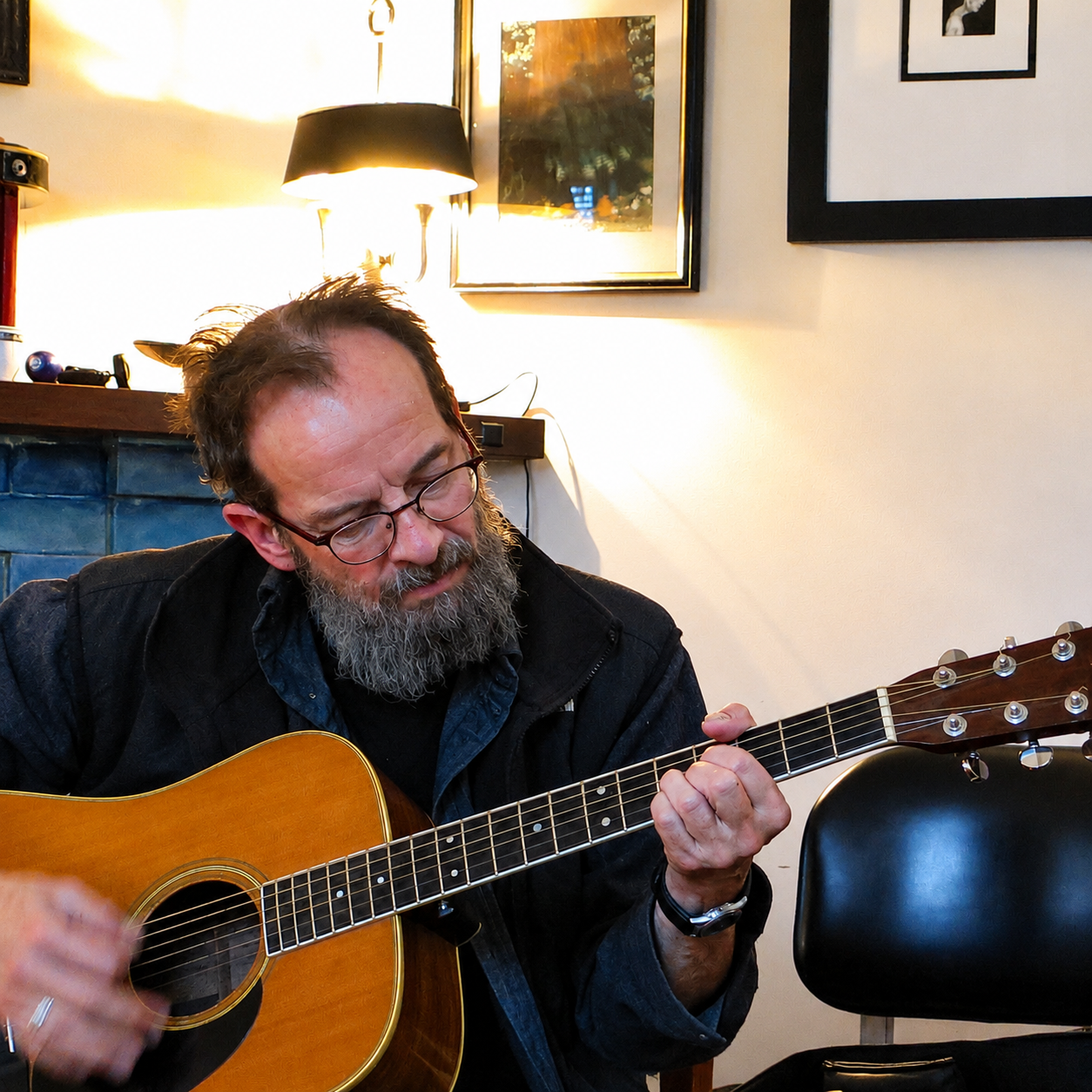
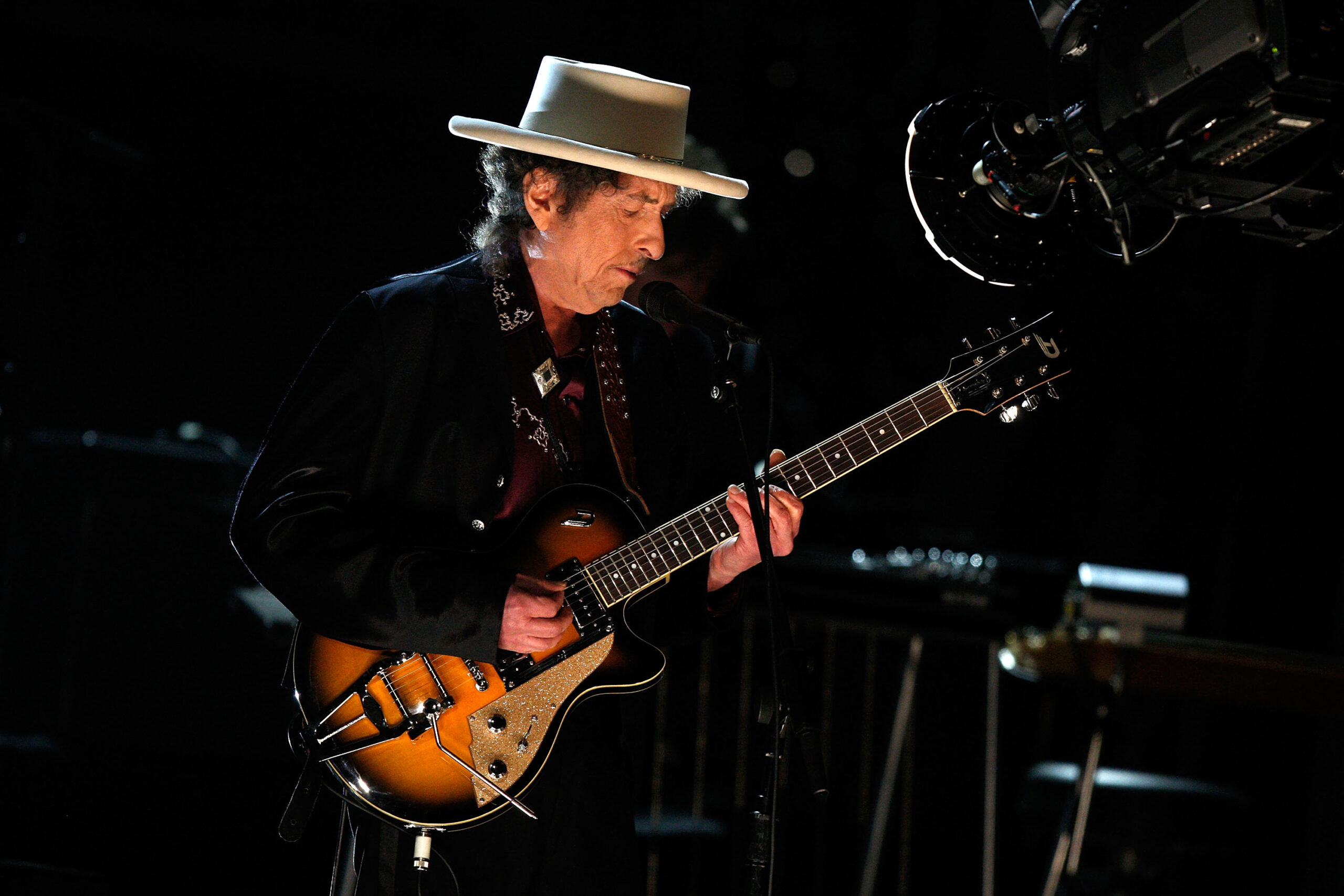
Bruce K. Tull, the musician best known as lead guitarist and pedal steel player for the Northampton alt-country band Scud Mountain Boys, has died. Tull passed away June 22 at home in Tulsa after a brief illness, according to a statement shared with Stereogum. He was 71.
The day of Tull's death last week, his Scud Mountain Boys bandmate Joe Pernice posted the following tribute on Instagram:
I can’t believe I’m writing this sad news.
Our brother in Scud Mountain Boys and friend of nearly 40 years Bruce K. Tull left this world this morning.
No combination of words will ever accurately describe the beauty of Tull. Someday I’ll try. But today Stephen, Tom and I are just hollowed by his passing.
In our grief we send our love to Nancy, the entire Tull family and to all who loved Bruce and the music he made.
Bruce Kermit Tull was born and raised in Midwest City, Oklahoma. By 1991, he'd found his way to Amherst, Mass., where he was pursuing his PhD in economics at UMass when he formed Scud Mountain Boys with Pernice, Tom Shea, and Stephen Desaulniers. The group started out under the name the Scuds playing electrified rock music, but after nights spent playing acoustic country songs around Tull's kitchen table, they shifted their focus. "We were going to hang it up but we had a few shows to do," Desaulniers later told the Patriot Ledger, "and I think Bruce was the one who first hit upon the idea of why don’t we try playing that stuff we like to play late at night. I tell you, people took to it right away. Immediately it was embraced."
Despite loosely working within a country music milieu, Scud Mountain Boys operated in the indie rock underground, incorporating a clear power-pop influence that came further to the fore in Pernice's next band, the Pernice Brothers. A prolific stretch in the mid-'90s yielded three albums in under two years. Tull recorded their debut Pine Box direct to his four-track around the table, where the Scud Mountain Boys sound first emerged. Silver Jews' David Berman, who recorded a scrapped album with the Scuds during the era that yielded 1996's The Natural Bridge, contributed to the liner notes:
I had begun seeing the Scud Mountain Boys around town with their Baltimore haircuts, the guitarist’s guitarist carrying his trapdoor Springfield rifle, the progeny of the muzzle-loading French Charleville muskets that had whacked so many Redcoats around these hills. I had heard it was the band’s tradition to lay dinner on the table and then set the table on fire.
The Scuds quickly followed up Pine Box with another 1995 album, Dance The Night Away. By 1996's Massachusetts, they were on Sub Pop, the storied Seattle indie label, which also re-released their first two albums as a two-disc set humorously titled The Early Year. A year after that breakthrough, the band suffered what Desaulniers later described as "a classic bad rock ’n’ roll breakup."
They patched things up and reunited in 2012 after Pernice reached out to his bandmates to lament the 2009 death of Ray Neades, an old friend from the Western Massachusetts music scene. The reunion led to a run of shows and a fourth album, 2013's Do You Love The Sun. The band continues to have an influence among later generations; Waxahatchee and MJ Lenderman covered the Massachusetts track "Lift Me Up" on their co-headlining tour this past spring.
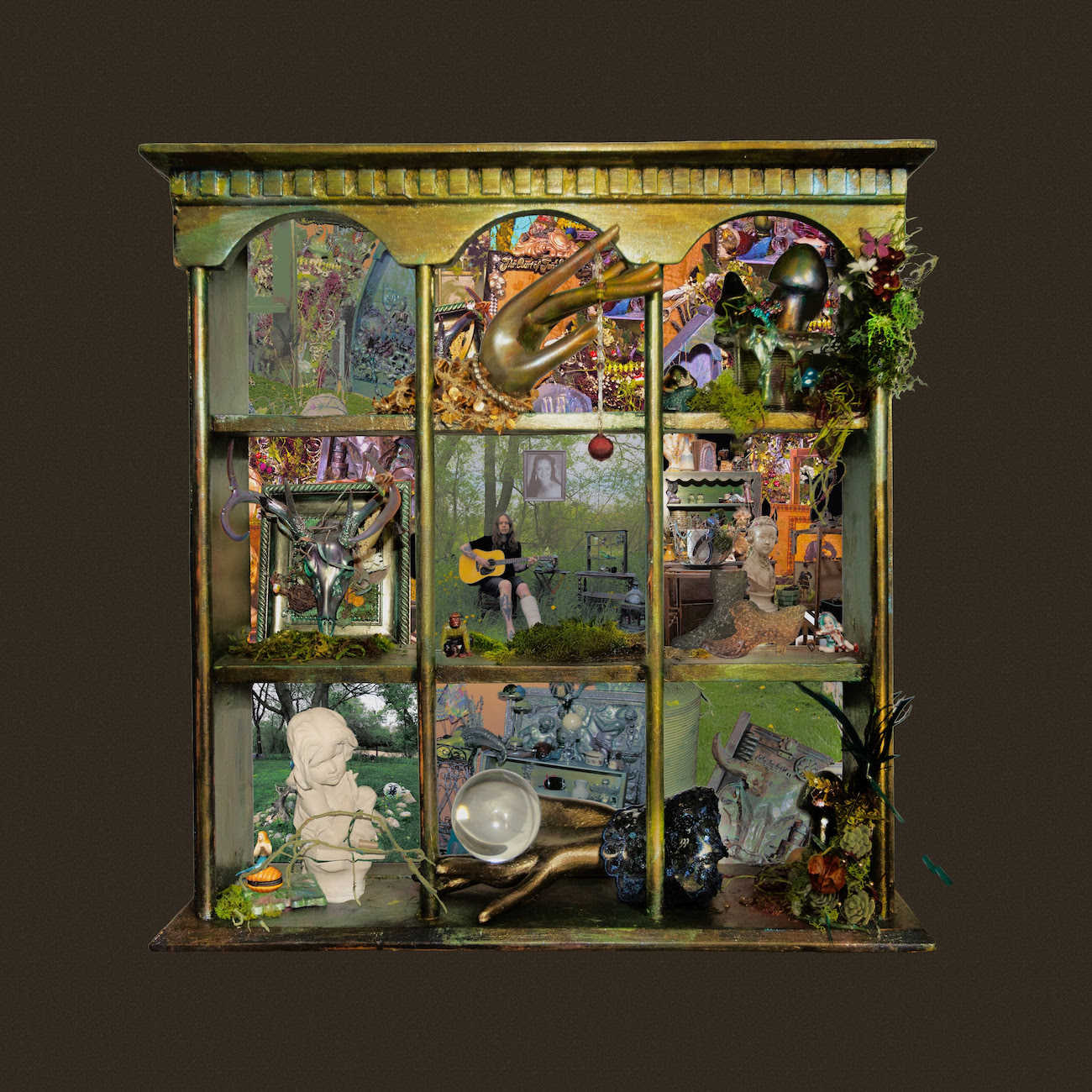
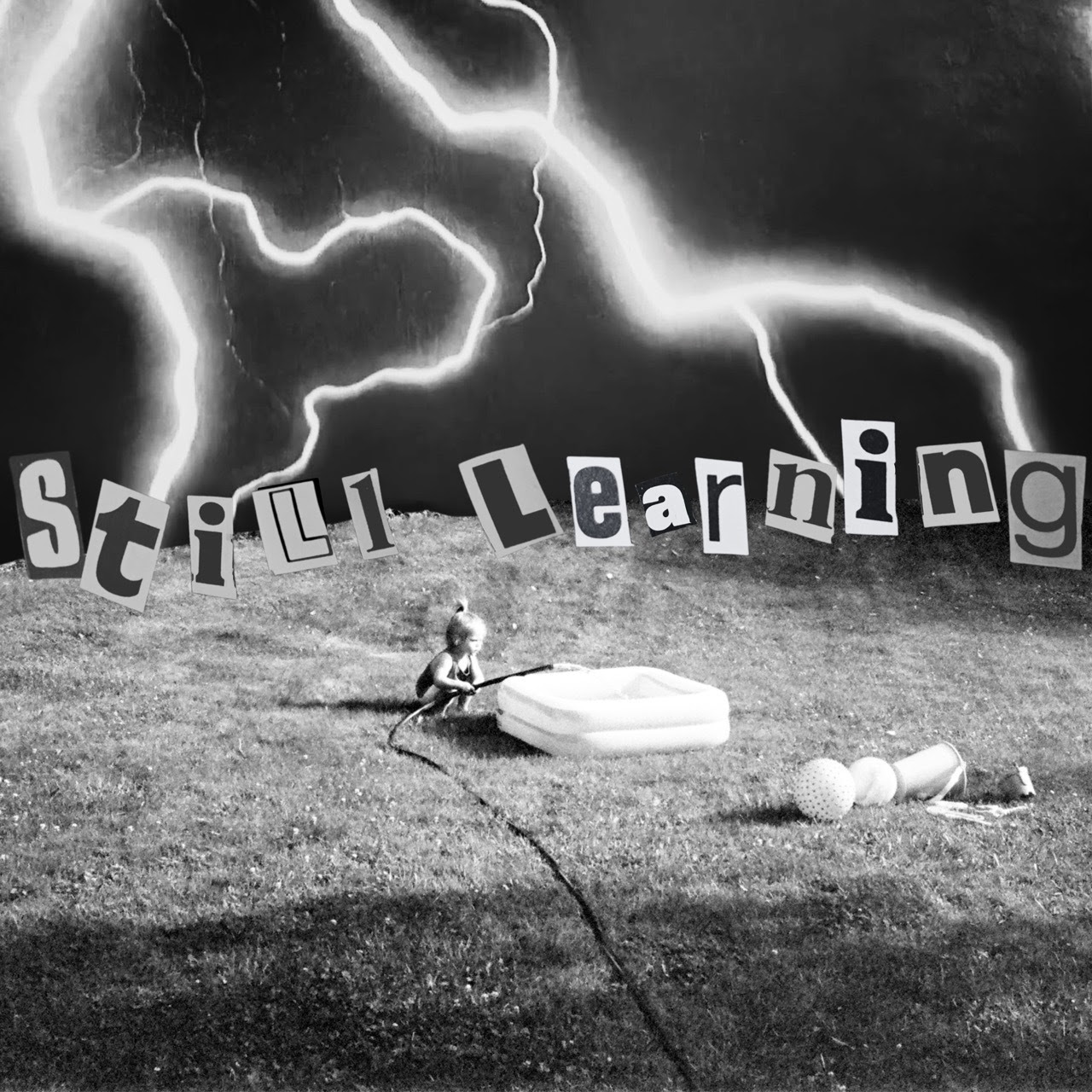
Below, revisit the Scud Mountain Boys' discography.