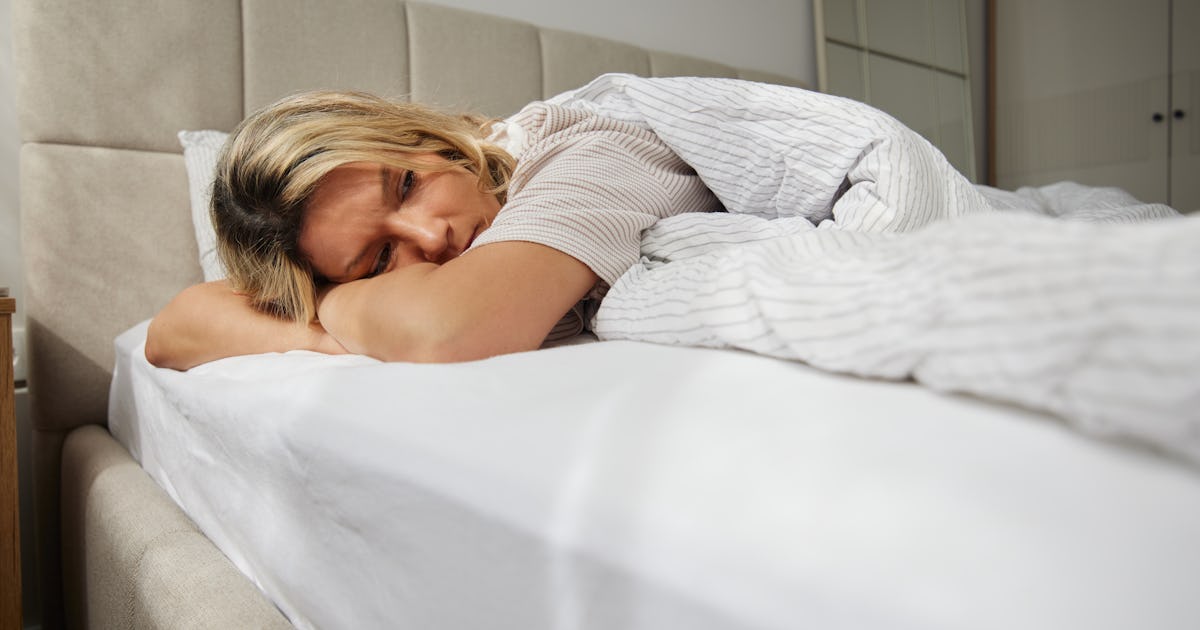
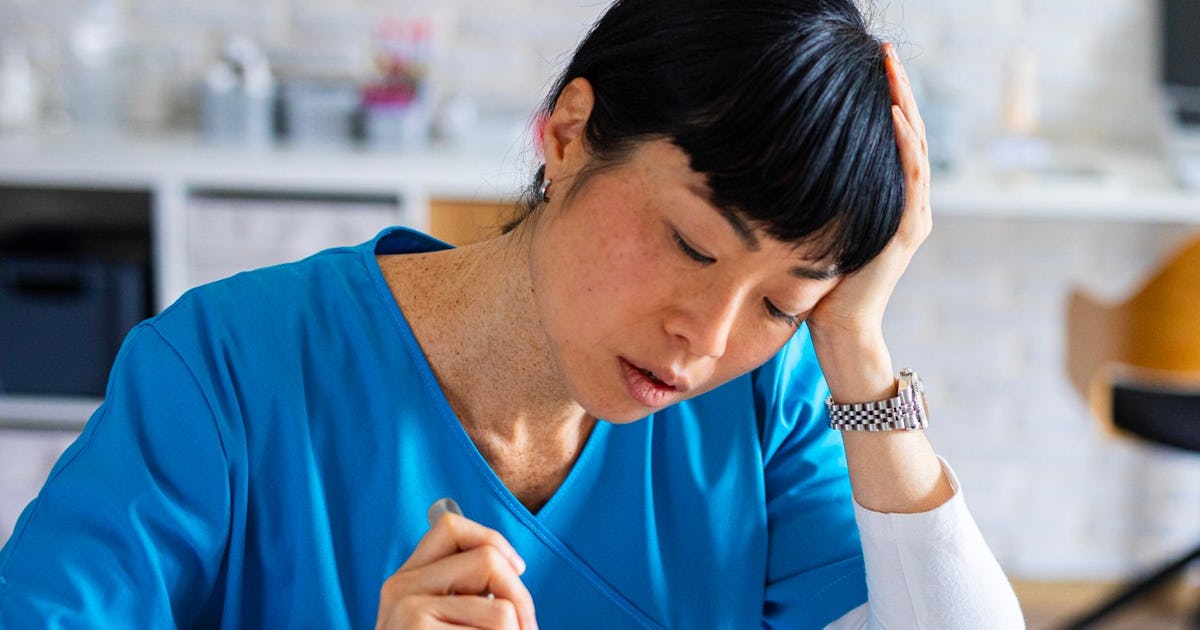
You know that feeling when you just open your eyes after a night’s rest and immediately get knocked in the face with a sense of extreme dread and impending doom? It’s almost like being trapped in a never-ending state of fight-or-flight. Your stomach is in knots, your hands are tingling, your heart is racing, and you feel overwhelmingly nauseous. The day hasn’t even started yet but somehow it feels like you already have the weight of the world on your shoulders. Chances are you’ve wondered, “Why do I wake up anxious for no reason?” Well, there’s a name for it: morning anxiety.
Morning anxiety is no joke, and it’s not uncommon either. Whether the problem stems from everyday work and life stress or an anxiety disorder, millions of people go through it every day — so you’re not alone. Waking up anxious can happen for many reasons, and there are steps you can take to figure out what’s going on in your body, and how you can manage these overwhelming feelings.
Why do I wake up anxious for no reason?
For starters, a little bit of anxiety in the morning could be biologically normal for you. It’s when our cortisol is naturally highest, experts say.
“Part of [morning anxiety] is biological, because as you come out of a sleep cycle, your body releases cortisol to help you wake up … and by the time you do wake up, it’s at its highest,” says Bryant Williams, Ph.D, a licensed clinical psychologist. “And you experience this as physiological arousal, but interpret it as anxiety. Physically, it could be the same as getting prepared for your day. Like, if you have a lot of work to do that day, you're going to be in the mindset to perform well. But then you can psychologically interpret that as, ‘What if I fail?’ and start feeling anxious.”
Cortisol is a key hormone that plays a vital function in the body — it’s essentially the body’s alarm clock, helping you wake up every morning. While it may not be possible to control your body’s natural release of cortisol, what you can control is how you respond to it.
“Part of it is starting to notice the narrative, or the internal story you’re telling yourself about the day,” Williams said. “There’s the physical component that’s not going to change, but what can is the story you tell yourself everyday.”
If you’re waking up more anxious than usual and something about it feels off, however, it’s worth it to tell your doctor. They can help you check for any underlying health conditions that may be causing it.
“The cause could be physiological or biological, so to start, get your thyroid checked,” says Rachel Proujansky, Psy.D, a licensed clinical psychologist. “Or it could be from transient stressors, such as having a tough time at work or at home. It could even be an anxiety disorder, which is just chronically being in a hyper-aroused state.”
Moms probably don’t have to think too hard about their sources of stress, which can feel amplified if you’re in the postpartum period, perimenopause, or menopause. Then it’s not just that you’re dealing with balancing parenting, work, and an endless stream of responsibilities, but also the physiological changes and hormonal shifts that accompany these major life transitions — potentially leaving you even more anxious than before.
“During perimenopause or menopause, women go through immense biological and physiological changes,” Proujansky said. “These can certainly lead to increased anxiety, even when your day hasn’t even started yet. And apart from the biological and hormonal pieces, there’s the societal expectations and pressures put on mothers too.”
Habits To Help You Reduce Morning Anxiety
Motherhood can look like waking up at 4 a.m., packing lunches, waiting 30 minutes in the school drop-off line, cleaning the entire house, cooking meals, and juggling an endless list responsibilities. Lack of sleep and heavy reliance on caffeine have become the norm in many households, but to no one’s surprise, are also key contributing factors to morning anxiety.
“There are all sorts of habits that make anxiety worse,” Williams said. “In terms of sleep hygiene, [what’s important is] not having caffeine in the afternoon or not having screen time an hour before you go to bed. These are both components to being able to get a good night’s sleep, and also have a regular influx of the hormones that are part of the sleep cycle.”
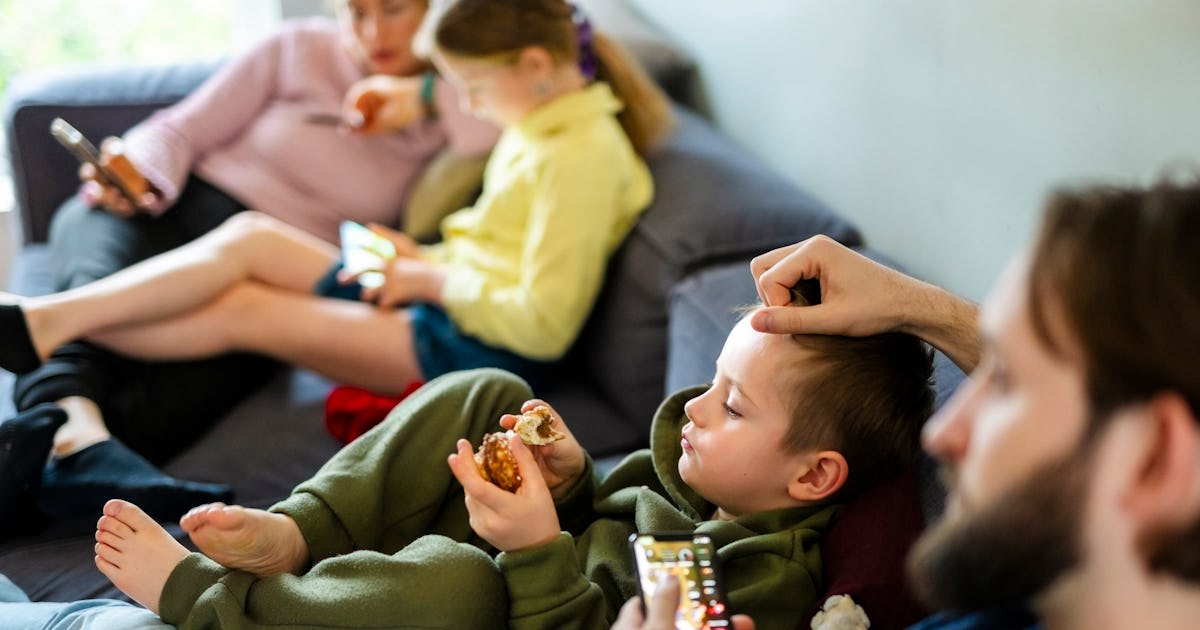
Many moms are diligent about strictly limiting screen time for their children, but admittedly we don’t always apply the same rules for ourselves. Whether it be scrolling endlessly on Instagram Reels after a long day or rolling over and grabbing your phone the second you wake up, both habits can make morning anxiety a heck of a lot worse.
“When people wake up and the first thing they do is grab their phone, they notice what emails or notifications they have, and can already start getting anxious about that,” Williams explained. “If people don’t immediately look at their phone and instead go open the shades, let the sunlight hit their face, take a shower, and ease into the day, then they’ll probably feel less anxious,” said Williams.
When should you ask for help?
Most therapists will tell you that when your mental health begins affecting your quality of life or ability to function, it’s time to seek help. If you’re dreading the mornings, struggling to get out of bed, or calling out of work, say something.
“In this era of hyper-independence, being able to do it all, is actually something really unrealistic. If we can understand that we are a social species, then it’s okay to be interdependent and rely on other people,” Proujansky shared.
It also never hurts to seek out support groups and connect with other moms who can relate and empathize, as they’ve probably experienced many of the same feelings. After all, anxiety is incredibly common, affecting approximately 40 million adults in the U.S. alone, according to the World Health Organization. Whether it be through group therapy sessions or online support groups, there are always people out there who are ready to remind you that you’re not alone.
“I think we’re expected as women and moms to deal with everything all on our own,” Proujansky said. “But it’s good to find folks who can relate. We always feel our best with social support. So, if there are people you can talk to who understand you, they can just say, ‘I totally get it, it’s super hard, you’re doing great.’”