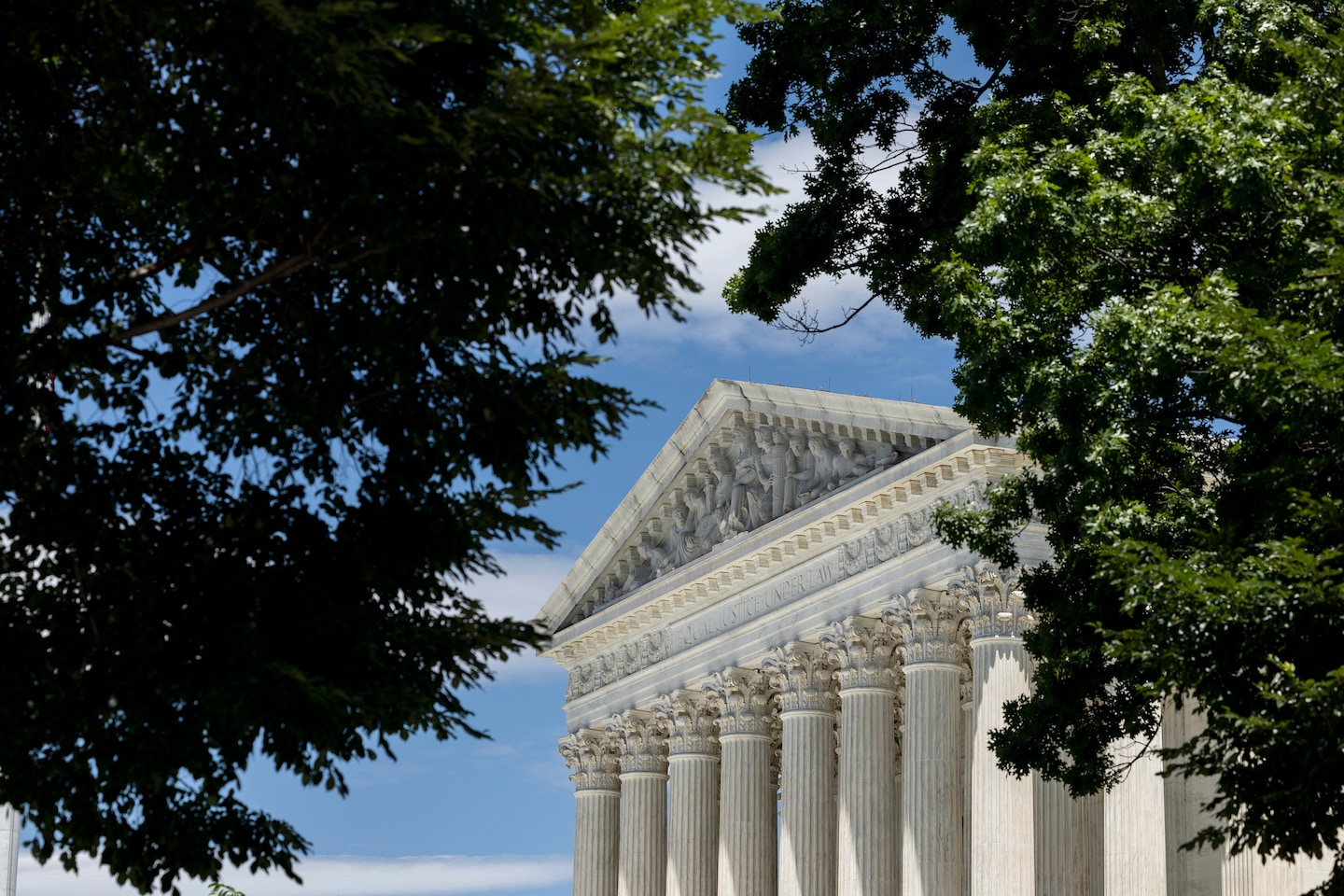
Supreme Court expected to rule on Idaho's transgender athlete case Tuesday
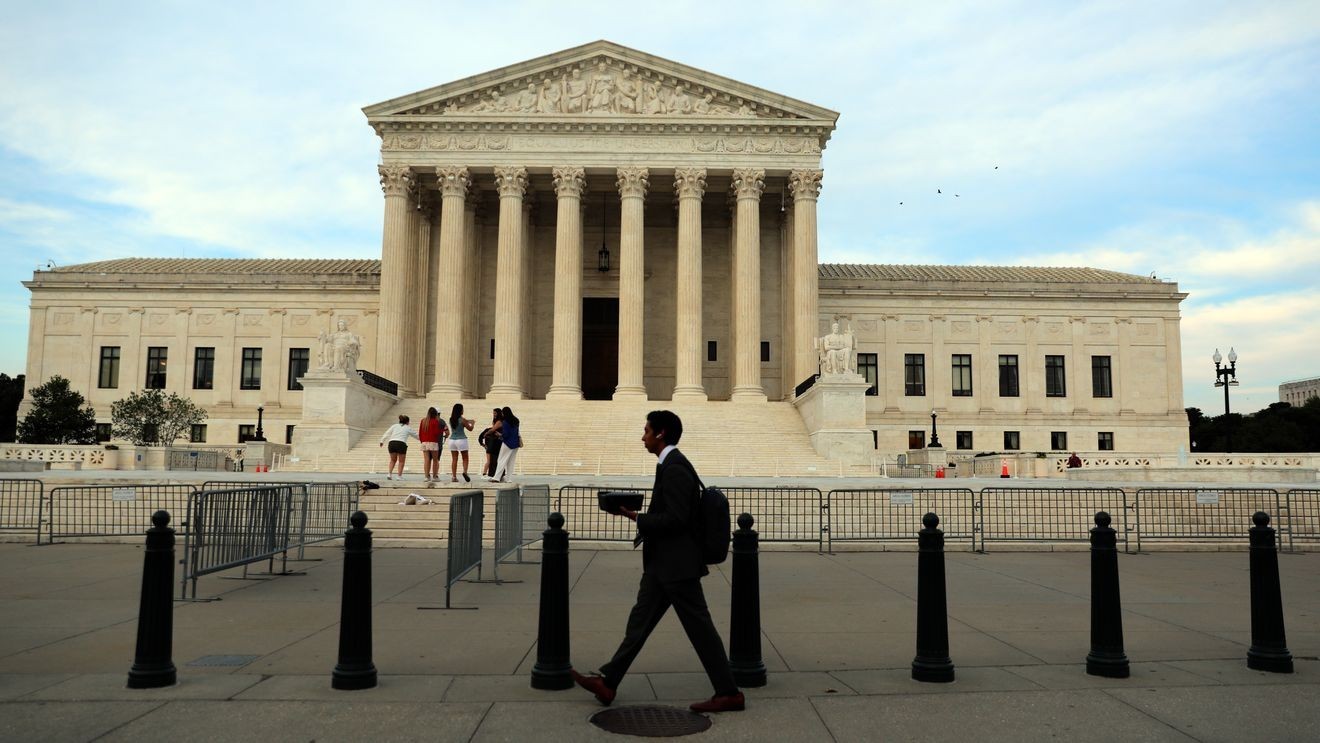
One of the U.S. Supreme Court's most closely watched cases this term began in Idaho, and a decision expected Tuesday could determine whether states can prohibit transgender girls and women from competing on female school sports teams.The court is expected to release one of its final opinions of the term Tuesday morning, including a ruling in the consolidated cases Little v. Hecox and West Virginia v. B.P.J. The decision could affect similar laws in at least 27 states.The Idaho case stems from the state's 2020 Fairness in Women's Sports Act, the first law of its kind in the nation. The law requires public school and college sports teams to be designated based on biological sex and bars transgender girls and women from competing on female teams.The law was challenged by Boise State University student Lindsay Hecox, a transgender woman who wanted the opportunity to try out for the university's women's track and cross-country teams. Federal courts blocked enforcement of Idaho's law while the case moved through the courts, finding Hecox was likely to succeed on claims that the law violated the Constitution's Equal Protection Clause and Title IX, the federal law prohibiting sex discrimination in education.The Supreme Court heard arguments in January alongside a similar challenge to West Virginia's law brought by high school student Becky Pepper-Jackson.During oral arguments, several members of the court's conservative majority appeared receptive to the states' arguments that the laws are necessary to preserve competitive fairness in girls' and women's sports, while the court's liberal justices questioned whether the bans unlawfully discriminate against transgender students.The justices are considering whether the laws violate the Equal Protection Clause of the Fourteenth Amendment and whether they conflict with protections under Title IX. Legal observers will also be watching how broadly the court writes its opinion, as the ruling could shape future challenges involving transgender rights and sex discrimination beyond school athletics.A ruling upholding Idaho's law would likely strengthen similar laws enacted in more than two dozen states. A decision siding with the athletes could leave those laws vulnerable to additional constitutional challenges.The Supreme Court typically begins releasing opinions at 10 a.m. Eastern, or 8 a.m. Mountain.