
Remember me

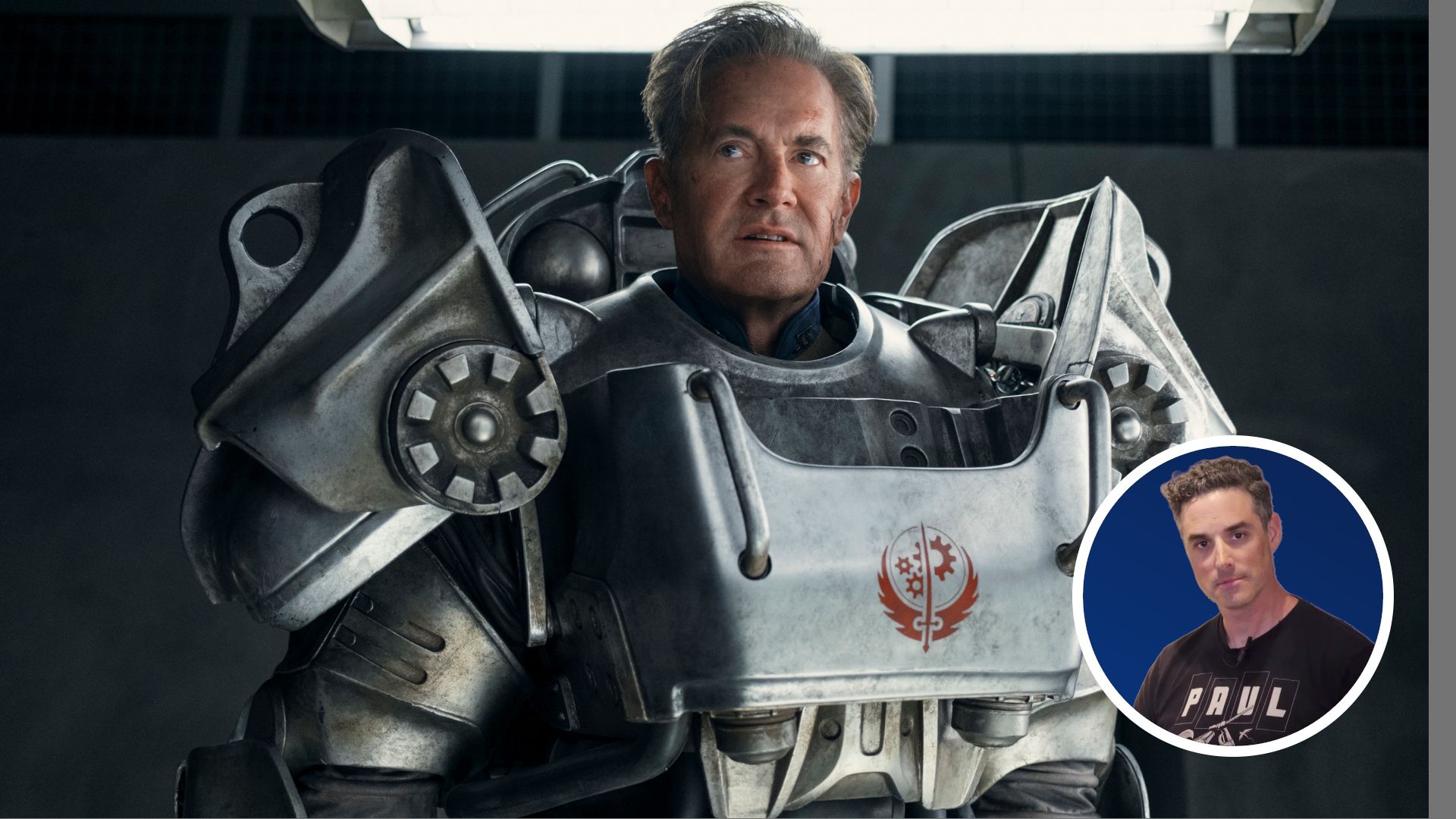

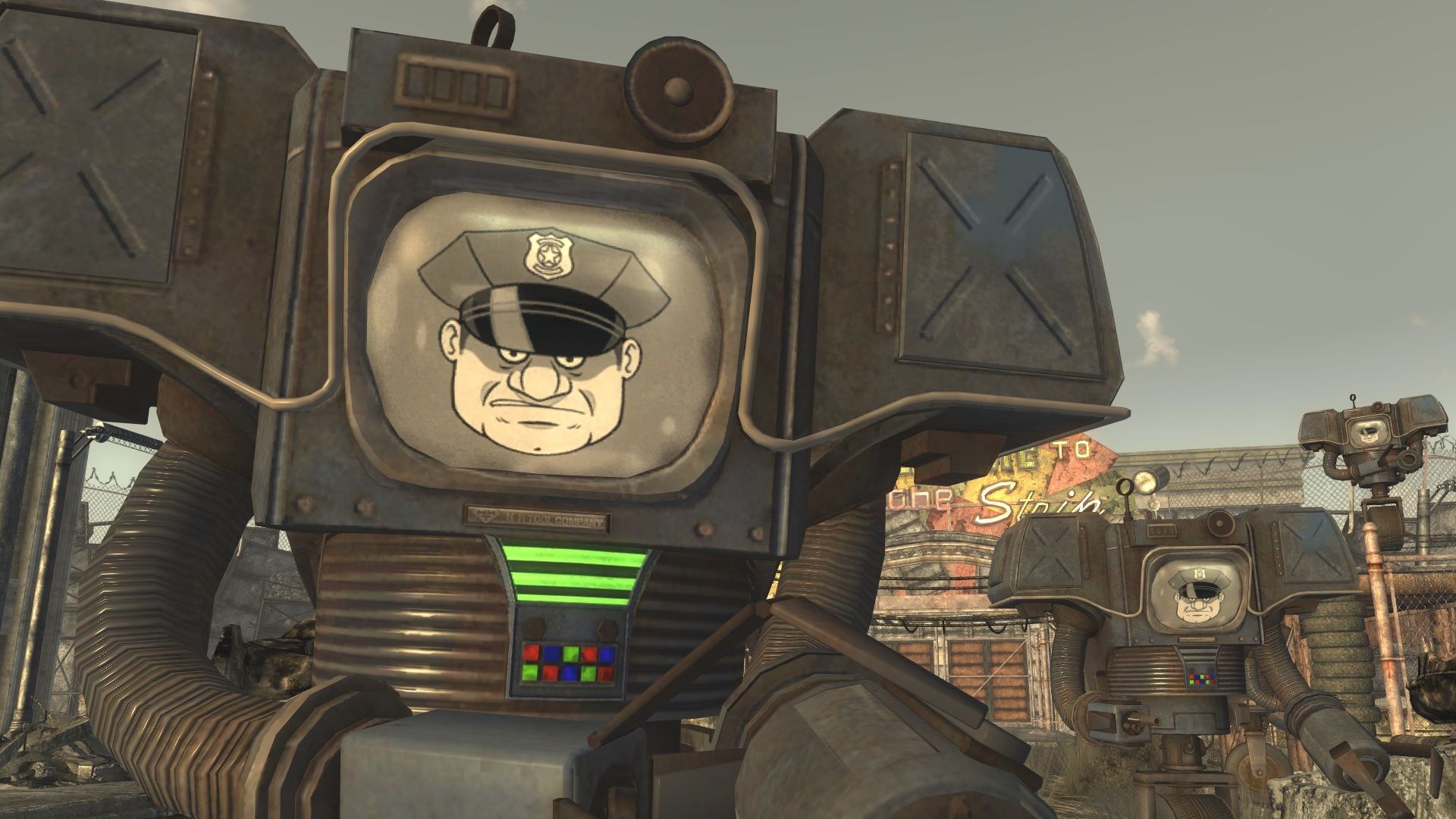

In a recent appearance on the Human Can Opener podcast, Obsidian design director Josh Sawyer talked about how the studio approached balance in Fallout: New Vegas, particularly with skill checks in dialogue and making sure different character builds got unique, cool reactivity throughout the game.
"Some people think I'm preoccupied with balance," said Sawyer. "I want people to build characters and have a good time with them. You have to think a little bit, but I don't like it when players have a character concept that they build, and it's like 'Oh, you just built a fundamentally bad character.'"
After Troika closed and before the likes of Owlcat, ZA/UM, and Larian really took off, Obsidian was practically peerless when it came to this sort of design in RPGs. Much love to BioWare, but it would typically just rely on a persuasion skill to win conversations and avoid fights.
Obsidian's always been great at letting you deploy odd skills in dialogue and the world, like recruiting a new sheriff for Primm with Science, Barter, or Speech in New Vegas. This also extends to combat: Sawyer cited New Vegas' removal of the Big Guns skill and divvying the relevant weapons into Guns, Energy Weapons, and Explosives as an example of design supporting build diversity.
"I don't want people to have to invest in the skill, and then [we] try to support it throughout the game," said Sawyer, referring to the steady flow of relevant big guns a separate Big Guns skill would have required. "Or worse, not support it throughout the game, which is kinda how Fallout 1 worked. If you tag Big Guns in Fallout 1, you're not gonna see a big gun until The Hub—good luck!"
You may like Fallout: New Vegas director Josh Sawyer says the NCR and Caesar's Legion feel so real because their members disagree and challenge each other: 'You have to wrestle with the fact that it contains multitudes'
 Fallout: New Vegas dev argues it was a mistake to make Wild Wasteland part of character creation: 'I'm gonna choose that no matter what. Because I don't want to miss a damn thing'
 I never change weapons in RPGs, which means I've made Obsidian director Josh Sawyer's life a living hell when it comes to making cool armour systems
As for skill checks, Sawyer said that he endeavors to make sure a given RPG's skills are always "useful in a really meaningful and unique way." He argued that designers have to build trust with players in this regard—I flashed back to all the times I've sat before a character creation screen and wondered "Is this a game where persuasion matters at all? Will I be punished for wanting to be a sneaky rogue?"
Sawyer pointed to how former Obsidian designer Eric Fenstermaker, who built the starting town of Goodsprings, ensured New Vegas made a good first impression to build that trust. Sawyer didn't cite specific examples, but I thought of how, in the quest Ghost Town Gunfight, a player's Sneak, Explosives, Barter, Speech, and Medicine can all be used to influence how things play out.
"We just wanted to set up the player to believe, however you built your character, it's not gonna be the same experience, but we're not gonna let you down," said Sawyer. "We're not gonna leave you out to dry and not give you something to be excited about.'
The developer caveated that "it's not about perfect balance," and went on to describe one of the practical measures Obsidian takes to ensure each skill gets sufficient play throughout a game. "We have an informal job on the design team called 'Karma Police,'" said Sawyer. "At a few points during development, we'll ask a designer to go through all the scripts—usually in dialogue, but also everywhere in the game—and see 'How often is Guns being checked? How often is Charisma being checked? How often is Barter being checked?
"It's not about 'perfect.' Let's say there's 40 [checks] in Medicine, and there's like, 28 in Science. Great! Get in the ballpark. You don't want to go huge stretches of the game and be like, 'Man, I invested in this skill and it never comes up.'"
Sawyer also touched on one of the great tensions in designing videogame RPGs versus tabletop ones: This sort of reactivity and accommodation is something a game master can do on the fly, rather than having to anticipate player needs years in advance. He recalled a college friend who "bent over backwards" to work with one of Sawyer's RPG characters, an architecture specialist.
"I think that what good DMs and good game designers do is, in RPGs, they want you to feel like, 'Yeah man, I did a Survival run and I got all these cool interactions,'" Sawyer concluded. "We just want players to have that experience."