
Remember me
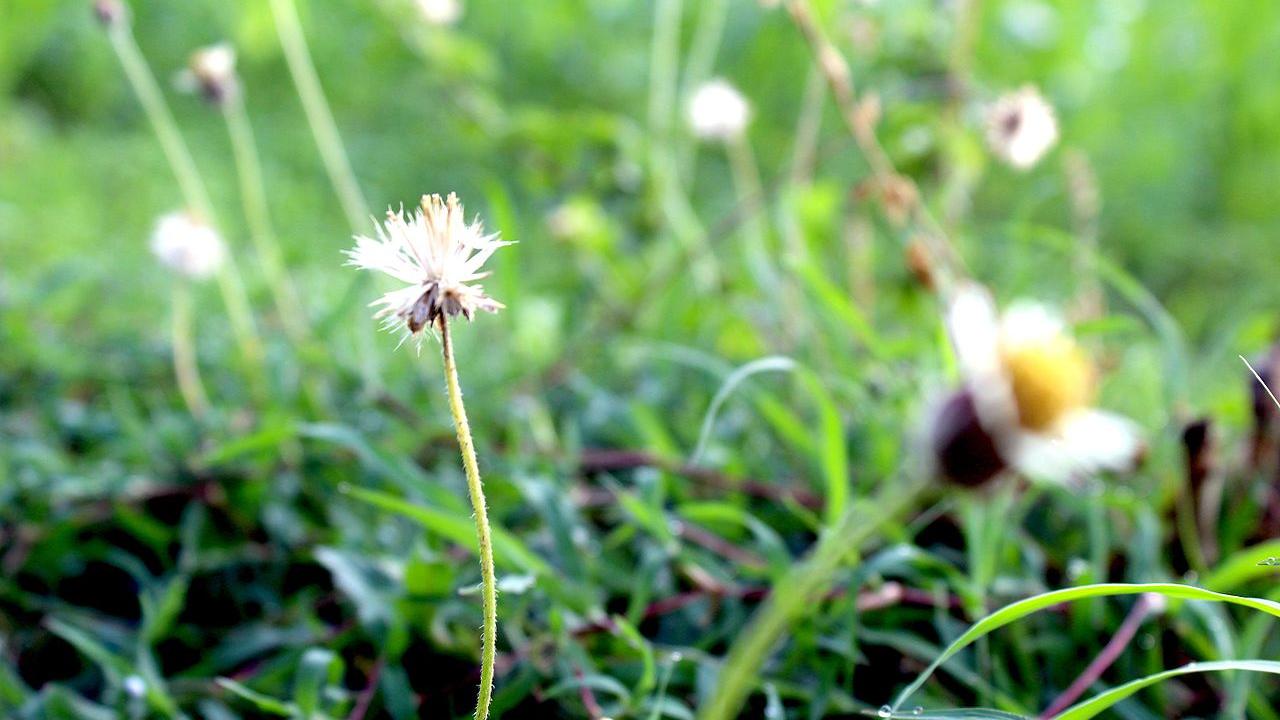









Weeds remain one of the biggest frustrations for gardeners, especially during the growing season. However, dense plant coverage can help solve the problem naturally. Some cultivated plants create a thick layer of foliage that limits space and sunlight, making it harder for unwanted vegetation to spread.

Photo: commons.wikimedia. org by Mansanyas, https://creativecommons.org/licenses/by-sa/4.0/
Weeds
Experienced gardener Ekaterina Rassadina explained that covering exposed soil with suitable plants can significantly reduce the need for constant weeding.
Ground Cover Plants Can Help Control Weeds NaturallyUnder fruit trees, gardeners often plant periwinkle because it forms a dense green carpet that limits the growth of chickweed, dandelions and other small weeds.
Along garden paths, creeping bugle performs especially well. It spreads quickly, produces attractive spring flowers and leaves little room for invasive plants to establish themselves.
Sunny areas can benefit from creeping phlox. Once it fully develops, many annual weeds struggle to grow through its thick coverage.
Dense Planting Creates a Healthier Garden EnvironmentHostas and astilbes also help reduce weed growth because their large leaves create deep shade and protect the soil from drying out.
According to the expert, bare patches of soil between shrubs and perennial plants quickly attract aggressive weeds such as lamb's quarters, couch grass and sow thistle. Planting closer together helps create natural coverage and keeps weeds from taking over open spaces.
Cultivated plants do not eliminate weeds completely, but they slow their growth and reduce the amount of time gardeners spend pulling unwanted plants. Dense planting also creates a cleaner and more vibrant garden appearance than leaving empty soil between plants.