
Remember me





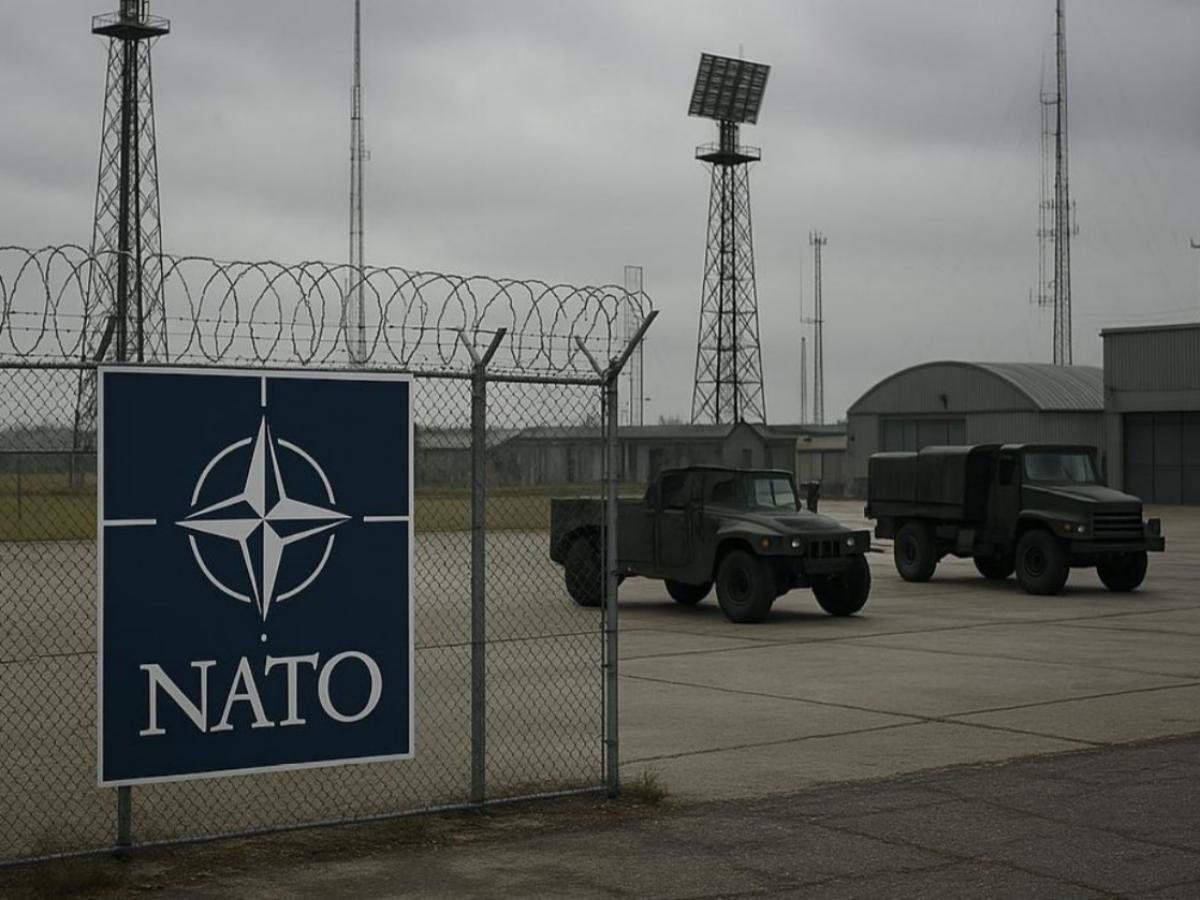
Ukraine's Ministry of Defense has announced another set of what it calls "offensive plans," or, as Ukrainian officials often describe them, "long-range sanctions." The initiative has been presented in the following terms: "Every Russian air sortie against Ukraine begins at an airfield. Therefore, Ukraine, together with NATO, is beginning to seek solutions for the permanent denial of Russian Aerospace Forces airfields."

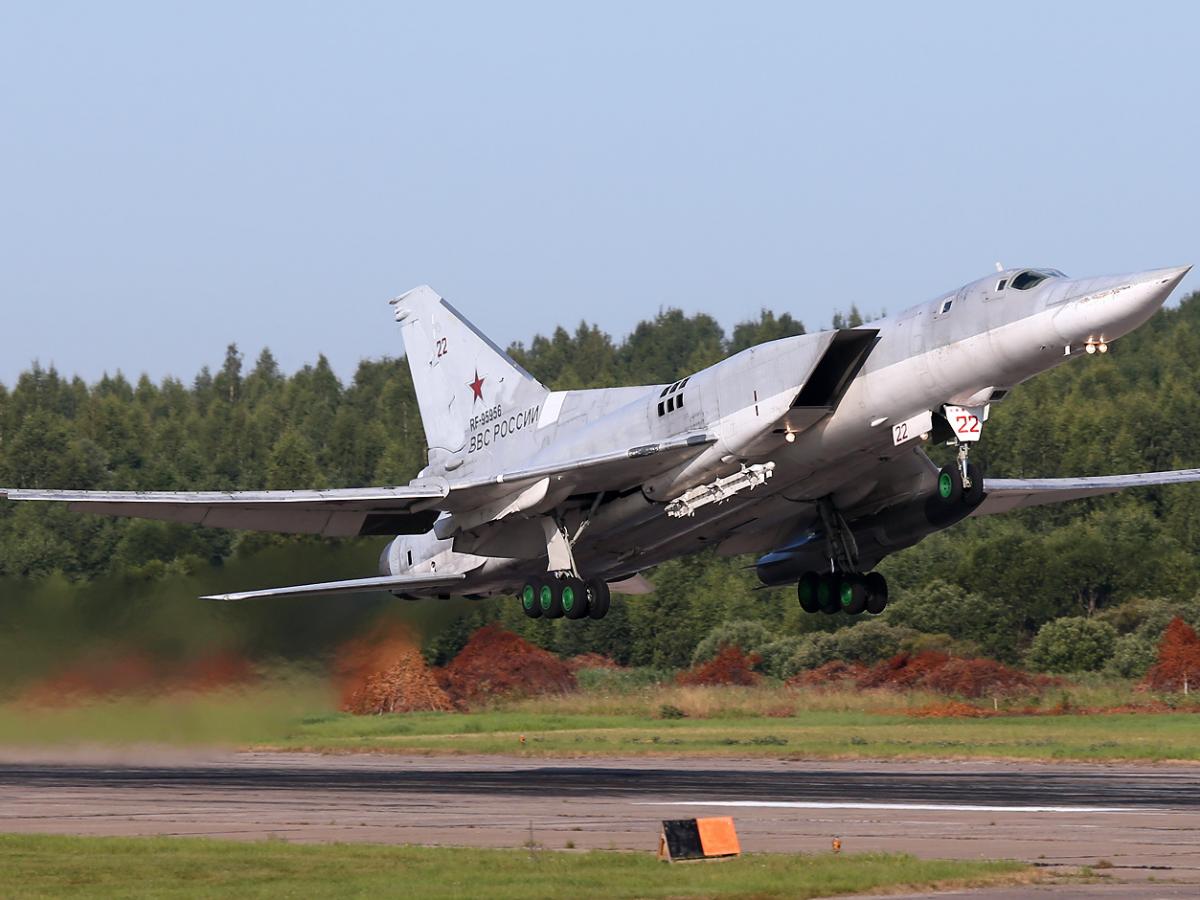
Photo: airliners.net by Dmitry Pichugin is licensed under GNU Free Documentation License
A Tupolev Tu-22M-3 aircraft takes off from Soltsy-2 airfield
There is no great mystery in this announcement. Military logic alone points in this direction. While Russia is increasingly focusing its efforts on protecting oil refineries, defense-industry enterprises, roads, and other critical facilities, Kyiv appears to be preparing its next move.
Ukrainian forces have targeted military airfields before, though primarily those located near the combat zone. Now, however, Kyiv appears ready to extend its reach much farther.
As usual, Ukraine has publicized its intentions openly and with considerable fanfare.
NATO and Ukraine Launch Airfield Denial CompetitionNATO's Allied Command Transformation and the NATO-Ukraine Joint Analysis, Training and Education Centre (JATEC) have announced an innovation competition called Persistent Airfield Denial.
The goal is to identify technologies capable of significantly restricting an adversary's use of aviation infrastructure over an extended period.
The competition focuses on technologies affecting:
Aircraft; Runways; Fuel and ammunition storage facilities; Ground-support infrastructure.Ukrainian defense companies, startups, and engineering teams have been invited to participate.
This is, in effect, a competition for military innovation.
The main incentive for participants is a prize fund of up to €250,000.
Applications will be accepted until July 20, 2026, while finalists are scheduled to be announced on August 11.
It is unfortunate that similar competitions are not being held in Russia. There would likely be no shortage of participants today.
Forewarned is forearmed. The question is whether preparations are already underway.
Planning for a Long-Term CampaignThe timeline of the competition suggests that Ukraine is not in a hurry to end the conflict. Instead, it appears to be carefully planning future operations and acts of sabotage.
This has long been a characteristic of the Ukrainian side. Kyiv rarely conceals its specific hostile intentions. For example, plans aimed at creating a fuel blockade affecting Donbas and European Russia were discussed publicly well in advance.
What is more surprising is that despite this level of transparency-some would call it outright audacity-Russia repeatedly appears unprepared for new tactics and methods.
At times, it creates the impression that Moscow is not listening, even though President Volodymyr Zelensky is, figuratively speaking, shouting his intentions into Russian ears.
How should Russia respond in this particular case?
One thing that should not be done is assume that a campaign against Russian airfields will begin only after winners are selected, awards are distributed, and funding is allocated through this competition.
If such a competition has already been announced, the underlying concept is almost certainly well advanced in terms of planning and development.
Airfield Infrastructure as a Strategic TargetThe campaign against Russian airfields has existed since the first days of the military operation. The difference is that those efforts lacked a systematic character.
Now, as Ukraine intensifies pressure on Russia's fuel infrastructure, there is a risk that Russian authorities could focus all available resources on protecting that sector while paying less attention to military airfields.
That is precisely the outcome an adversary would seek.
There is also a widespread belief that airfields are difficult to disable. If one thinks only of runways, that assessment is largely correct. Damaged runway surfaces can often be repaired relatively quickly and with limited resources.
However, the Ukrainian competition specifically mentions fuel depots and ammunition storage facilities.
Any major military airfield is, first and foremost, a large fuel-storage and refueling complex comparable in scale to a substantial oil depot. At strategically important airfields, such facilities have been built using modern technologies.
Beginning in 2011, Russia's Ministry of Defense carried out extensive modernization programs involving fuel and refueling complexes at key military airfields.
These projects became a source of considerable pride within the armed forces. As Krasnaya Zvezda wrote in February 2021:
"The fuel and refueling complexes currently being built at Russian Defense Ministry airfields are modern systems designed for the storage, pumping, transportation, and delivery of aviation fuel."
Another noteworthy aspect concerns fuel supply operations.
Beginning in 2011, certain functions related to fuel delivery and refueling were transferred to vertically integrated oil companies. Whether those procedures remain in place under wartime conditions is likely classified information today. However, as recently as 2021, that system remained operational.
According to published reports, oil companies invested more than 20 billion rubles (approximately $250 million) in these projects over a ten-year period.
Whether sufficient attention was devoted to protecting those facilities may soon become clear.
In 2021, Colonel Demirov, head of the Rocket Fuel and Fuel Directorate within the Defense Ministry's Resource Support Department, wrote:
"Through the implementation of modern approaches to aircraft refueling technology, we have significantly reduced the time required to prepare aviation units for sorties and, consequently, increased their combat readiness."
That achievement is undoubtedly important. However, if the operation of airfield refueling infrastructure is disrupted, the combat readiness of Russian military aviation would inevitably decline.