13 groups of people EU travel rules will not apply to
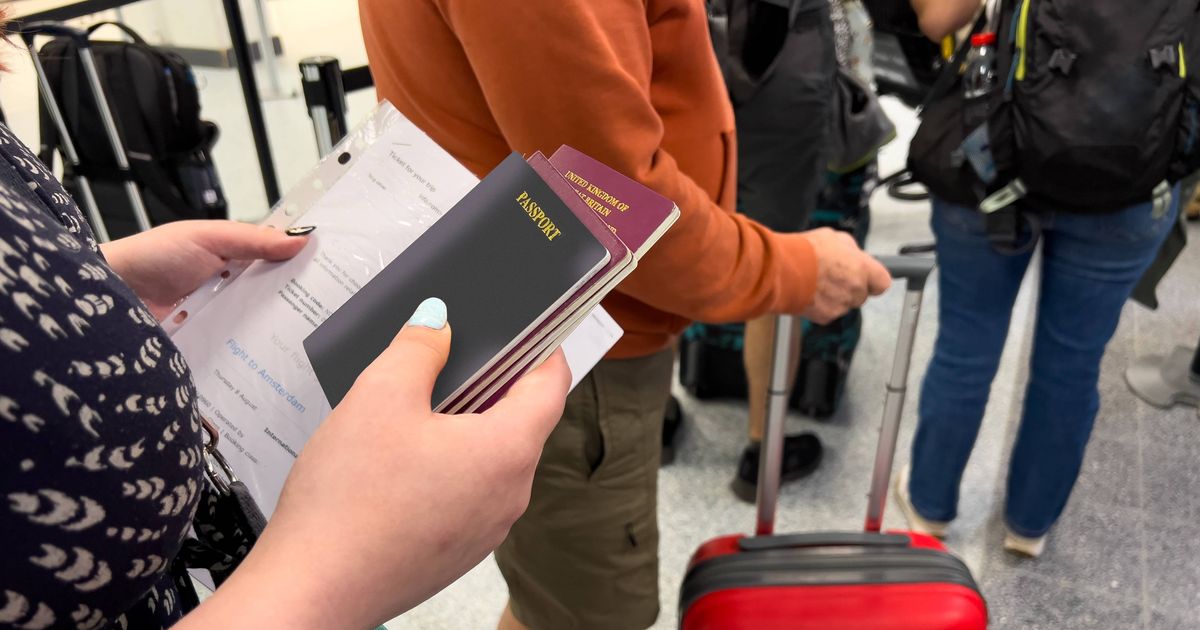
Airports across Europe are now required to implement the new Entry/Exit System, referred to as EES. The new system has resulted in many travellers experiencing unforeseen delays, with some even missing their flights owing to extended queues. However, particular travellers are completely exempt from the new system. The EES is intended to supersede the manual passport-stamping procedure when non-EU nationals enter or leave so-called Schengen countries (a large group of European nations with border-free travel arrangements). The new system captures travel digitally utilising biometric data such as fingerprints, meaning it should make passport control quicker and more secure once the bulk of travellers have enrolled. Nevertheless, a number of people don't have to use the system. Travel to Europe, an official EU website, identifies 13 separate categories of travellers who won't need to use EES and may be able to circumvent the airport queues. This includes nationals of European countries operating EES, alongside Cyprus, Ireland, Andorra, Monaco, San Marino, and those possessing passports issued by Vatican City State or the Holy See. Travellers with residence permits and long-stay visas may also qualify for exemption. Non-EU nationals might be excluded from EES if they hold a residence card and are a direct family member of an EU national, or possess a residence permit and are a direct family member of a non-EU national who is entitled to move throughout Europe in the same way as an EU citizen. Non-EU nationals visiting Europe as part of an intra-corporate transfer or for employment-related reasons such as research, studies, training, voluntary service, pupil exchange schemes, educational projects or au-pairing. Military personnel will be excluded from EES registration if they are travelling on NATO or Partnership for Peace duties, provided they carry an identification and individual or collective movement order as specified by the Agreement between the parties to the North Atlantic Treaty regarding the Status of their Forces. This may also apply to civilian components or dependants mentioned in the NATO Status of Forces Agreement, as well as NATO International Civilians stationed in any of the 29 European countries implementing the EES and their dependants. Certain people are typically excluded from border checks or receive specific privileges connected to them, and this equally applies to EES. These include heads of state, accredited diplomats in particular circumstances and cross-border workers. Those with a valid local border traffic permit, crew members aboard passenger and freight trains on international connecting services, and travellers who are not obliged to cross external borders at designated crossing points during set opening hours are also exempt. Additionally, travellers carrying a valid Facilitated Rail Transit Document or Facilitated Transit Document are exempt, provided they travel by train and do not alight at any point within the territory of an EU Member State. Registering for the EES is entirely free of charge and passengers are not required to make any changes to their preparations before reaching the airport. Border control officers will photograph your face and/or scan your fingerprints, recording this data in a digital file that should remain active for the next three years. As more and more travellers encounter the system for the first time, the sheer number of people being registered at airports is the principal reason behind the significant queues and delays. Official guidance on the Gov.uk website states: "On your first visit to the Schengen area, you may be asked to create a digital record at the port or airport on arrival. You may be asked to submit your fingerprints and have your photo taken at dedicated booths. "You don't need to provide any information before travelling to a Schengen area country. The checks may take slightly longer than previously, so be prepared to wait during busy times."