Travel rules could allow you to avoid new EU EES delays
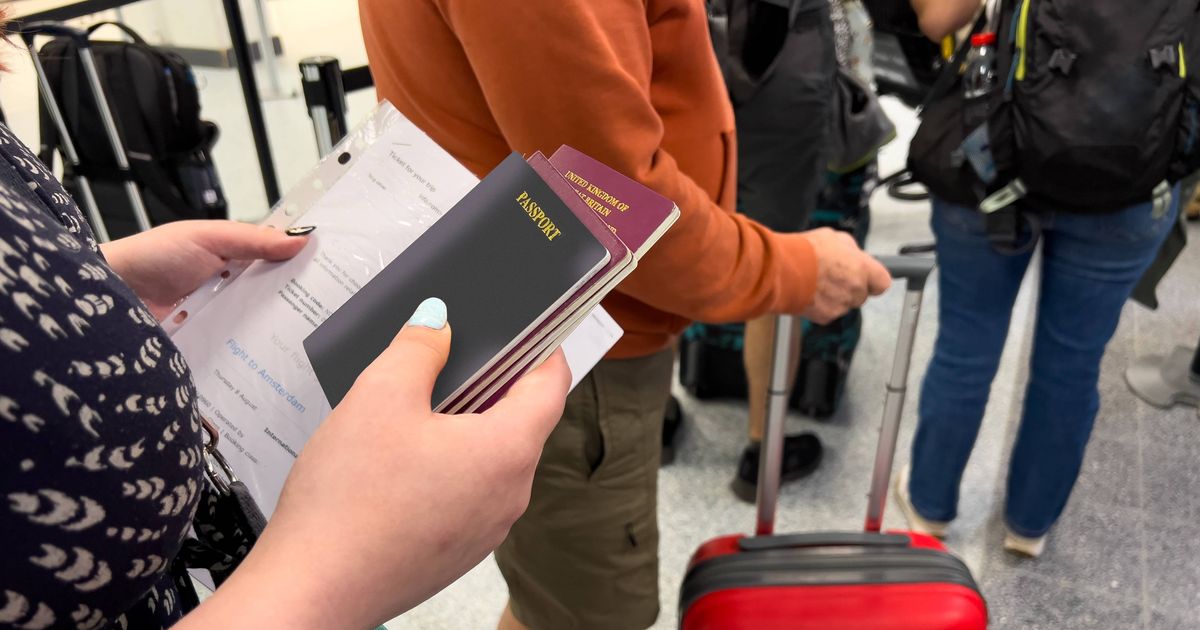
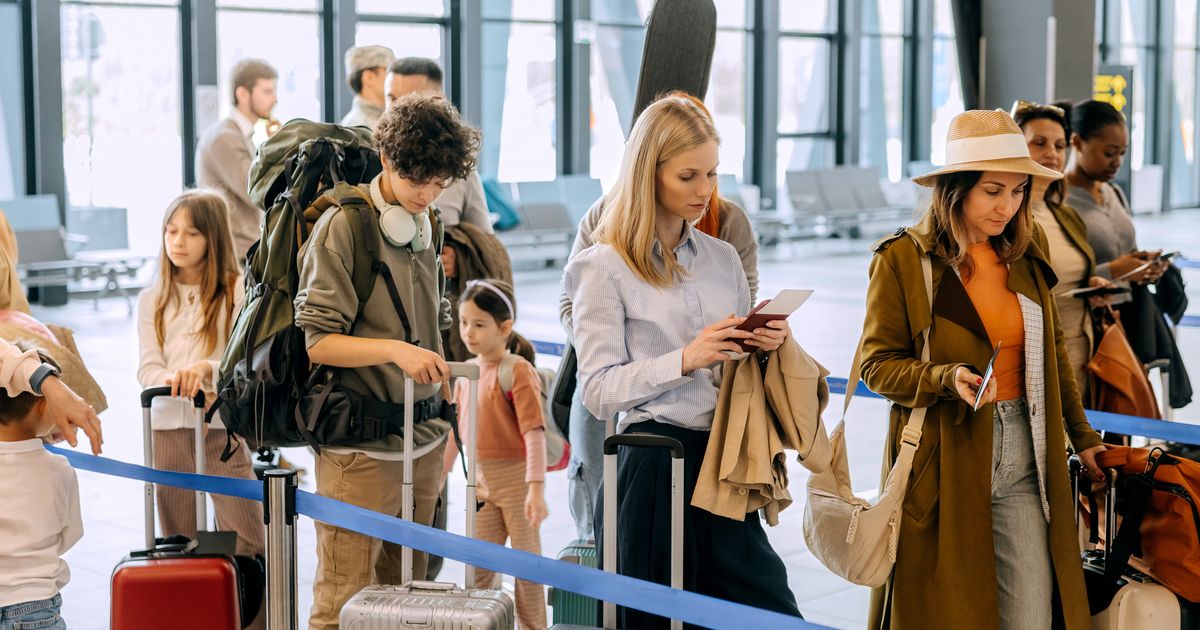
Airports across Europe are now required to roll out the new Entry/Exit System, or EES. It has seen many travellers hit with unexpected delays and some have even missed their flights due to the queues. However, some travellers are completely exempt from having to use the new system.The EES is meant to replace the old manual system of stamping passports when non-EU nationals enter or leave so-called Schengen countries - a large club of European nations that have border-free travel. The new system logs this travel digitally using biometric details like your fingerprints, meaning it should making passport control quicker and more secure once most travellers have registered.However, there are some people who are exempt from the system. Travel to Europe, an official website of the EU, highlights 13 different types of travellers who won’t need to use EES and may be able to avoid the airport queues.This includes nationals of European countries using EES as well as Cyprus, Ireland, Andorra, Monaco, San Marino and people holding passports issued by the Vatican City State or the Holy See. Travellers with residence permits and long-stay visas may also be included.Non-EU nationals may be exempt from EES if they hold a residence card and are immediately related to an EU national or have a residence permit and are immediately related to a non-EU national who can travel throughout Europe like an EU citizen. Non-EU nationals who are travelling to Europe as part of an intra-corporate transfer or for work purposes like research, studies, training, voluntary service, pupil exchange schemes or educational projects and au-pairing.Members of the armed forces will be excempt from having to register for EES if they are travelling on NATO or Partnership for Peace business, provided they have an identification and individual or collective movement order provided for by the Agreement between the parties to the North Atlantic Treaty regarding the Status of their Forces and may apply to civilian component or dependents referred to in the NATO Status of Forces Agreement. This also applies to NATO International Civilians based in any of the 29 European countries using the EES and their dependents.Some people are generally exempt from border checks or have certain privileges around them and this applies to EES as well. For example, heads of state, accredited diplomats in some cases and cross-border workers.People holding a valid local border traffic permit, crew members of passenger and goods trains on international connecting journeys and travellers that don’t have to cross external borders at border crossing pointws during fixed opening hours are also exempt. Finally, travellers with a valid Facilitated Rail Transit Document or valid Facilitated Transit Document are exempt, provided they travel by train and do not disembark anywhere within the territory of an EU Member State.The process of registering on the EES is free and travellers don’t need to do anything different before getting to the airport. Passport control officers will take a photo of your face and/or scan your fingerprints and record this information in a digital file that should then last for the next three years.As many travellers encounter the system for the first time, the number of people being registered at the airports is causing the queues and delays. Official guidance on the Gov.uk website explains: “On your first visit to the Schengen area, you may be asked to create a digital record at the port or airport on arrival. You may be asked to submit your fingerprints and have your photo taken at dedicated booths.“You don’t need to provide any information before travelling to a Schengen area country. The checks may take slightly longer than previously, so be prepared to wait during busy times.”