Leaking sewage, rats and bedbugs widespread in NHS workplaces, staff claim
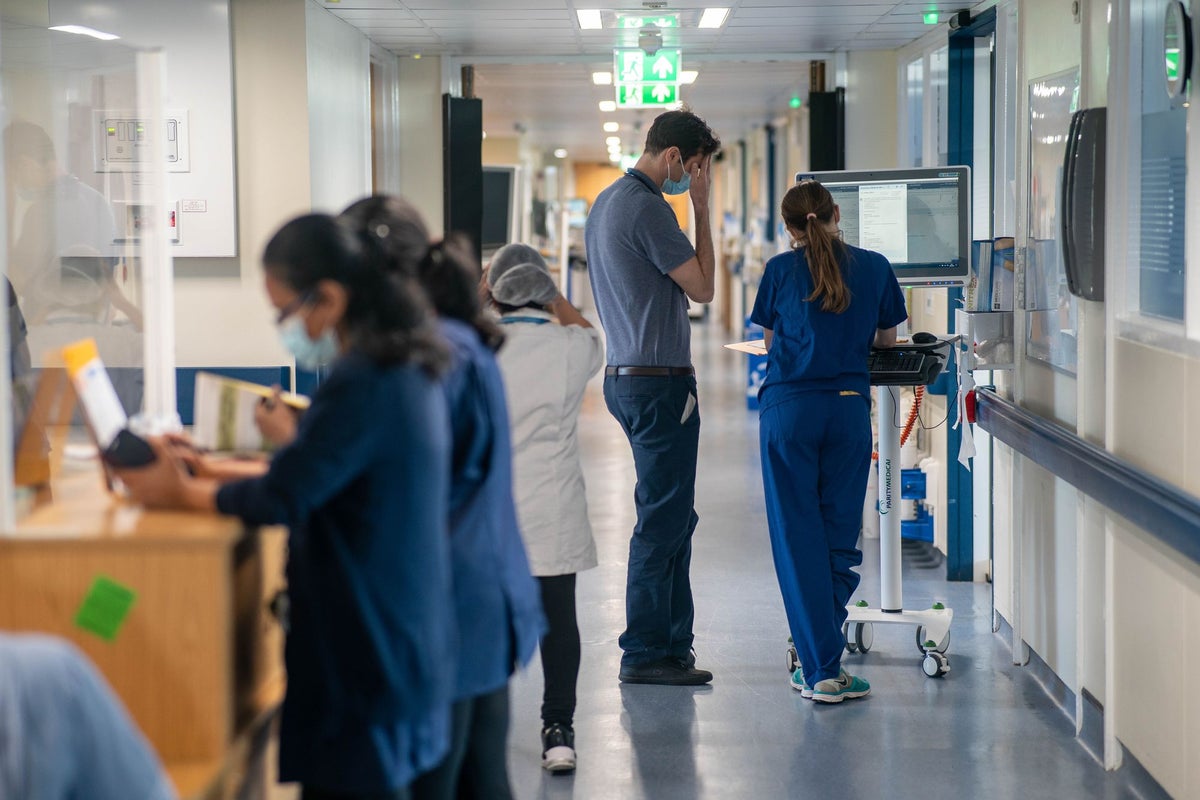
Get the free Morning Headlines email for news from our reporters across the worldSign up to our free Morning Headlines emailSign up to our free Morning Headlines emailWorrying health risks and dangerous conditions are widespread across NHS hospitals, clinics and ambulance stations, new research has revealed. A Unison survey of over 19,000 NHS staff exposed workplaces plagued by leaking sewage, rodent infestations, and a lack of clean toilets for both staff and patients.Around one in seven respondents reported vermin, such as rats, in their workplaces over the past year. A similar proportion cited other widespread infestations, including silverfish, ants, bedbugs and cockroaches.The union described its findings as a concerning snapshot of a "dangerous and dilapidated" NHS estate. One in seven polled believe their workplace is unsafe due to the buildings’ poor physical state.The findings, being released at the union’s annual conference in Brighton on Tuesday, include examples of buckets on floors to catch leaking water, sewage leaks, public toilets in hospitals out of order for extended periods and staff toilets described as unusable.One in seven polled believe their workplace is unsafe due to the buildings’ poor physical state (PA)One in 20 health service workers surveyed reported asbestos had been discovered in their workplace.Almost one in three said conditions in their place of work had worsened over the past year.Unison’s head of health, Helga Pile, said: “No patient should be cared for in filthy, insanitary and unsafe conditions.“Staff shouldn’t have to work in such shocking surroundings either.“This survey demonstrates how lack of funding has left the NHS estate in a dreadful mess. Hospitals should make people better, not expose them to harm from rotting rats, raw sewage and dilapidated buildings.“Recent cuts to staffing and maintenance budgets are adding to the long-term effects of underfunding.“To use scarce resources patching up ceilings and doing other short-term fixes to protect patients isn’t good enough.”Last week it was revealed that the NHS is treating nearly 3,000 sick patients a day in corridors, cupboards and cafes because emergency departments are overwhelmed.Data published for the first time has laid bare the scale of the crisis, with experts warning that “corridor care” has become “normalised” within the health service, which means patients are being treated without “privacy or dignity”.In May, more than 2,200 patients per day received care in the corridor of an A&E department because of a lack of beds, the data shows, while another 669 patients were treated in or near wards.