Starbucks Korea closes stores early after Tank Day scandal
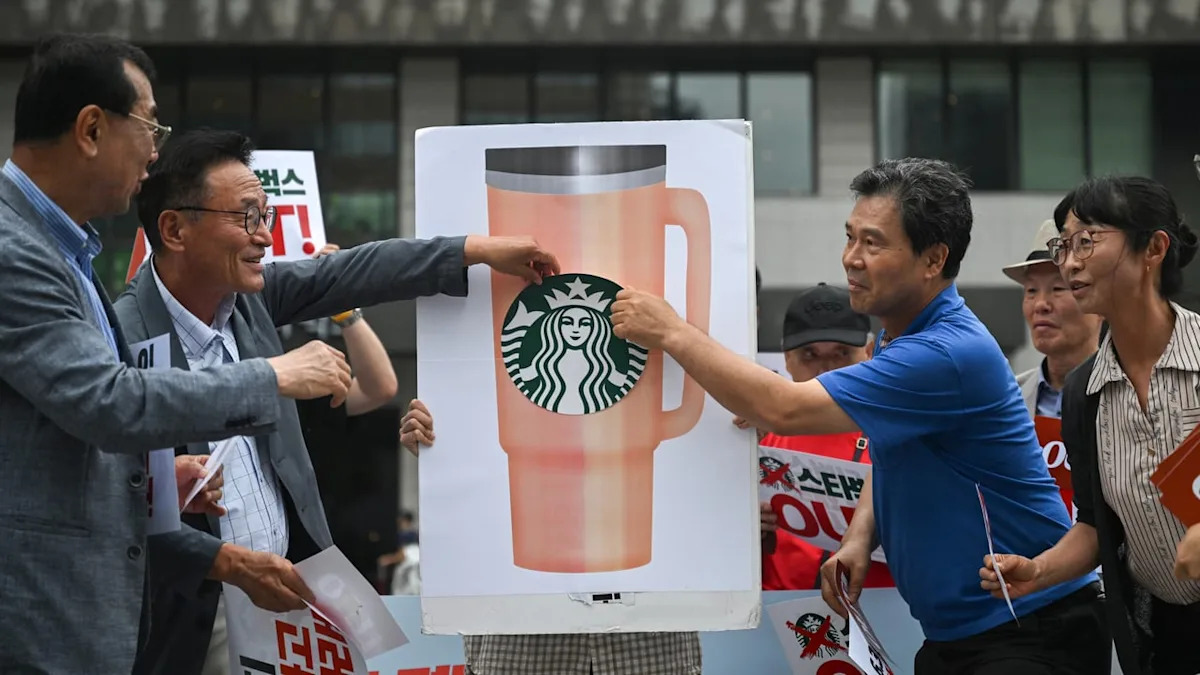
Starbucks Korea will close all of its stores nationwide at 3 p.m. on June 22 so employees can receive mandatory history and social sensitivity training following a marketing campaign widely seen as mocking victims of a 1980 military crackdown on pro-democracy protesters.According to a company statement, training led by history and sociology professors on Wednesday will bring together group executives and Starbucks Korea headquarters staff — part of a remedial program organized by Shinsegae Group, which holds a 67.5% stake in the chain. Store employees will then watch a recording of that session during the early closure, the company said in a statement. Shinsegae Chairman Chung Yong-jin will undergo separate training alongside chief executives of Shinsegae affiliates on June 24.At the center of the controversy was a promotion for a line of stainless-steel tumblers branded "SS Tank," with the company designating May 18 — the anniversary of a 1980 massacre in Gwangju, where the military dictatorship's deployment of troops, tanks, and helicopters killed or injured hundreds of pro-democracy demonstrators — as "Tank Day." Anger deepened over the campaign's chosen slogan, "Thwack it on the table!" — wording that many Koreans immediately connected to a discredited 1987 police account in which authorities falsely attributed the death of student activist Park Jong-chol, who had in fact been tortured, to investigators having "hit the desk with a thwack."The promotion was pulled within hours as public anger exploded; CEO Sohn Jeong-hyun lost his job, and Chairman Chung Yong-jin went before television cameras to deliver a formal apology to the nation. Police opened an investigation after relatives of Gwangju victims filed complaints. The company said it had removed all five employees involved in the campaign and that three had refused to hand over their mobile phones during the investigation, according to NBC News. Shinsegae said it found no evidence so far that employees acted with deliberate intent to mock the pro-democracy movement.No comparable shutdown has occurred in the quarter-century since Starbucks first opened in South Korea in 1999, and Shinsegae framed the move as a signal of "how seriously it views the marketing controversy and its determination to prevent a recurrence."Chun Doo-hwan took power in a coup in late 1979, and the Gwangju violence happened a few months later. Official records say about 200 people died, but many activists believe the real number is much higher. The dictatorship's brutality led to growing opposition, which resulted in nationwide protests in 1987. These protests forced the government to accept constitutional changes that brought back direct presidential elections and put South Korea on the path to full democracy.