Russia fails to achieve any strategic objectives in Ukraine, Estonian intelligence says
The Russian Federation’s army has not achieved its strategic objectives on the battlefield in Ukraine.
According to Ukrinform, this is stated in a report by the Estonian Defense Forces Intelligence Center, as reported by ERR.
“Despite enormous efforts and heavy losses, the Russian Federation has not achieved any of its strategic objectives,” the intelligence center stated in the report.
Developments on the battlefield in Russia’s war against Ukraine last week were characterized by a certain decrease in the intensity of military operations, notes the Estonian Defense Forces Intelligence Center.
At the same time, Ukrainian medium-range strikes have exacerbated problems in Crimea and other occupied territories. But Moscow, as before, refuses to negotiate with Ukraine on any terms other than its own, the report states.
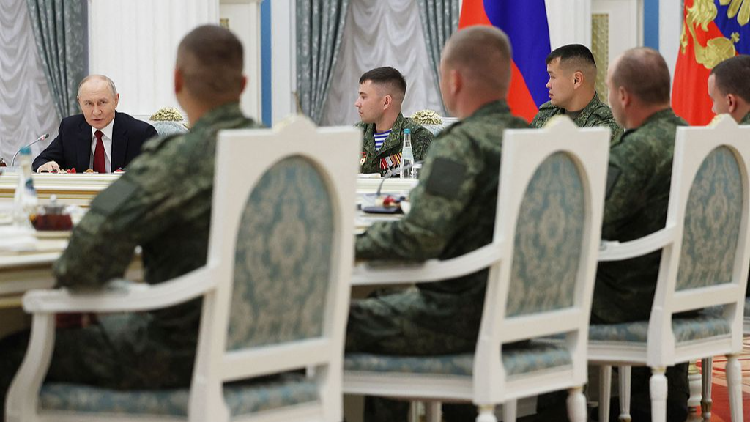
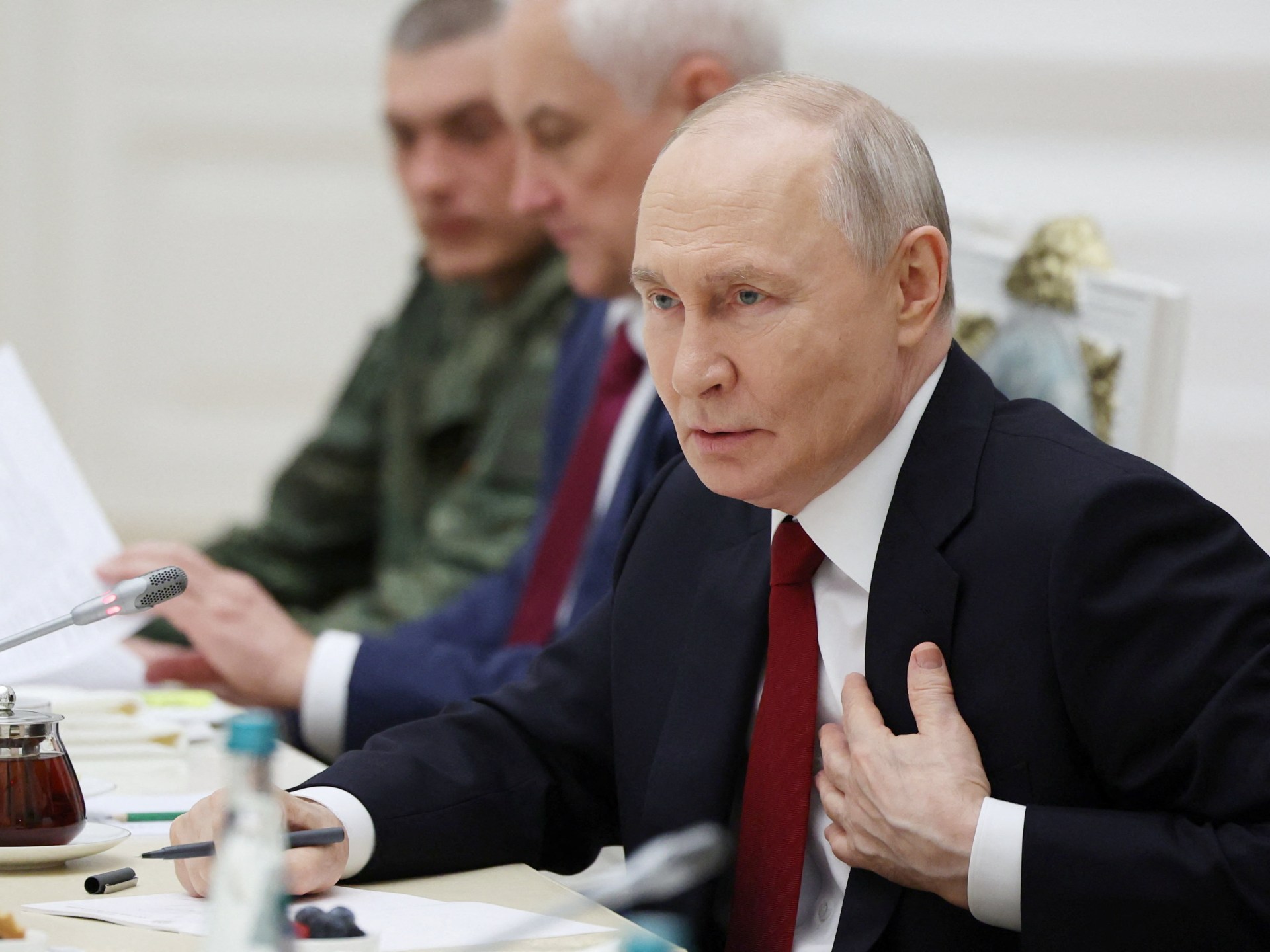
"Ukrainian President Volodymyr Zelensky, in his public address to the Russian president, described the changed reality of the war and called on the Russians to negotiate. In response, Putin stated that he currently sees no point in such a meeting. According to the Russian leader, Russian troops control 100% of the Luhansk region, 80% of the Donetsk region, and are capable of advancing daily," the Estonian intelligence center noted.
Russian Foreign Minister Lavrov confirmed his country’s position.
The Estonian Intelligence Center noted that an average of about 250 combat engagements per day were recorded on the front lines last week. This corresponds to the intensity of hostilities seen three weeks ago. Over the course of the week, the Russian army captured 15 square kilometers of Ukrainian territory.
At the same time, according to the intelligence center, Russian Armed Forces losses averaged 1,400 servicemen per day.
"Ukrainian troops carried out counterattacks in the Kharkiv, Donetsk, Dnipropetrovsk, and Zaporizhzhia regions. Some advances were also recorded in the Borivka direction in the Kharkiv region and in the western part of the Zaporizhzhia region," the report states.
The intelligence center also reported that the Ukrainian Armed Forces continued intensive medium-range strikes on Russian military facilities and supply routes up to 300 kilometers from the front line.
“Ukrainian medium-range strikes prompted the occupying authorities in Luhansk Oblast to impose temporary restrictions on civilian traffic on the Belgorod–Mariupol and Rostov-on-Don–Simferopol routes. Commuter train service was also suspended on four sections of the railway,” the report states.
The Intelligence Center explained that due to Ukrainian attacks, restrictions on the sale of fuel to private individuals are in effect in Crimea. The number of public transport services serving the population has also decreased.
Read also: IRIS-T missile manufacturer seeks to produce “Flamingo” missiles in Germany with Ukraine
"Over the course of the week, Ukraine struck the Chongar Bridge twice to complicate logistical support for Russian troops in Crimea and on the southern section of the front. As a result, traffic along this route to Crimea was halted. This created additional logistical difficulties for the Russian authorities," the report states.
The Intelligence Center added that the Russian Ministry of Energy was forced to acknowledge that Ukrainian attacks on oil industry facilities have led to fuel supply difficulties in a number of southern regions of the country. A coordination headquarters was established in Russia to address these issues.
As reported by Ukrinform, a report by the Institute for the Study of War states that the Kremlin is conducting a series of information operations targeting the Baltic states with the aim of creating long-term informational conditions to justify possible future military actions against these countries.