Bleary-eyed Brits will lose 120million hours of sleep during 'late night World Cup' as some plan to watch games in garages and cars
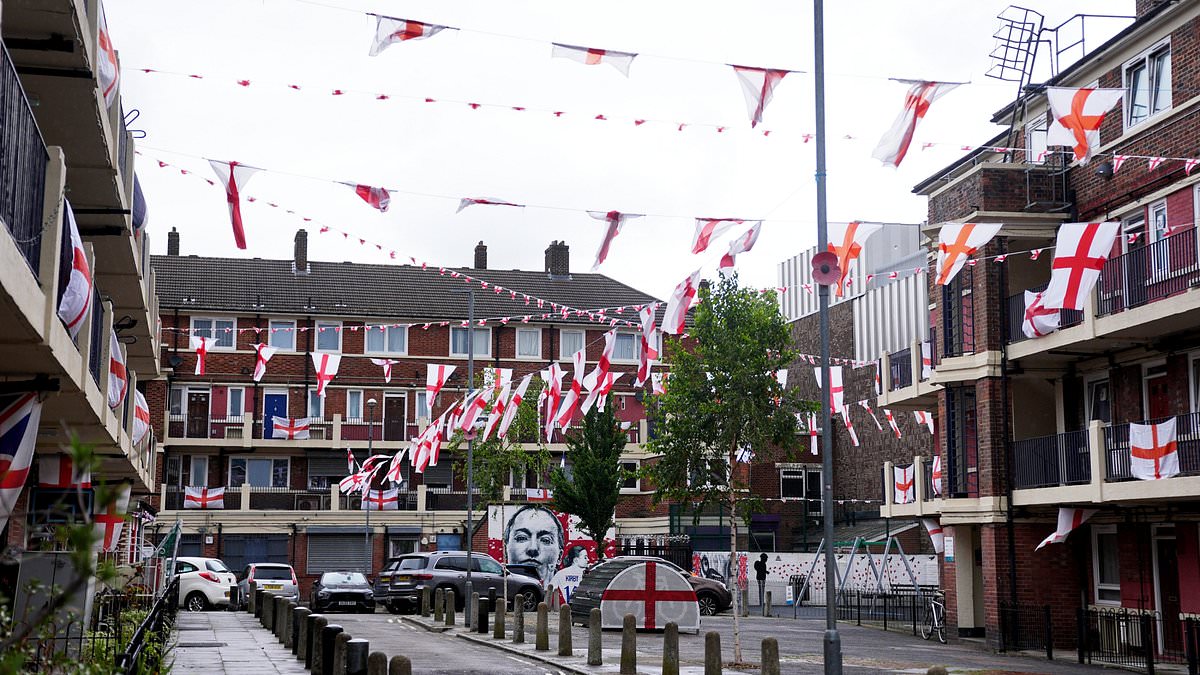
England and Scotland football fans face losing 120million hours of sleep during the World Cup as late-night matches disrupt their routines, a study found today.Nearly one in four (23 per cent) supporters are prepared to sleep separately from their partner to avoid missing the matches played in the US, Mexico and Canada.Almost a third (30 per cent) plan to abandon their normal bedtime routine – with some watching from sheds, garages and cars to avoid disturbing others at home.Older couples are most likely to consider sleeping separately during the event which will see games kick off as late as 2am UK time, according to research by Dreams.Just 13 per cent of 18-24-year-olds would consider doing this, but that rises to 31 per cent among both 35-44 and 45-54-year-olds, and 45 per cent among over-55s.England begin against Croatia in Dallas on June 17 at 9pm UK time, then play Ghana in Boston on June 23 again at 9pm and Panama in New Jersey on June 27 at 10pm.Scotland will start against Haiti on June 14 at 2am, then play Morocco on June 19 at 11pm, both in Boston; before heading to Miami to face Brazil on June 24 at 11pm.As couples navigate late kick-offs and temporary sleep separations, one in five (21 per cent) said household responsibilities were likely to be ignored on match nights. Flags hung across the Kirby Estate in Bermondsey, London, this week ahead of the World Cup England fans in Tampa Bay for the pre-tournament friendly against New Zealand on SaturdayThe bed retailer said 120million hours of sleep would be lost, based on UK viewing data from previous international football tournaments where England matches have attracted peak combined TV and streaming audiences of about 20million viewers.Experts assumed an average of at least two late-evening matches would be viewed per person during the tournament, and around three hours of sleep disruption per match night - including delayed bedtimes and time taken to unwind after matches. Sleep expert SAMMY MARGO reveals how to navigate the World Cup 1. Have the sleep conversation before kick-offBefore the match starts, agree the game plan. Include who's watching, where they're watching, and whether it's a bed, sofa or spare room night. Sorting this before kick-off can help avoid any full-time tension, especially if one person needs uninterrupted sleep. And if someone is taking one for the team on the sofa or in the spare room, a mattress topper can help make the set-up feel much more comfortable.2. Create a low-light match planBright overhead lighting late at night can make it harder for the brain to wind down and can disturb anyone already asleep. Stick to lamps, dimmed screens or softer lighting where possible and avoid switching on the 'big light'.3. Keep noise under controlLate-night commentary, sudden celebrations and loud reactions can easily wake the rest of the household. Headphones, subtitles and lower volume are simple ways to enjoy late-night matches without turning the bedroom into a stadium.4. Make the viewing setup sleep-friendlyWhether watching from bed, the sofa or a spare room, comfort matters. A supportive set-up can make late-night viewing easier, but it should also help you wind down once the match is over. An adjustable TV bed is great for fans watching from the bedroom, while a sofa bed or mattress topper can make a temporary sleep set-up more comfortable if separate sleeping arrangements are needed.5. Protect the post-match wind-downOnce the final whistle goes, try to avoid rolling straight into highlights or social media debates. Giving your brain time to switch off after the match can help you fall asleep more easily. The top places people would watch late-night matches to avoid disturbing others are in a spare bedroom (33 per cent); in bed on a phone with subtitles on (32 per cent); the pub (31 per cent); on a phone beside a sleeping partner (30 per cent); in a utility room (30 per cent); in a garden, shed or garage (23 per cent); or in a car (20 per cent).Late-night games could also spill into the office, with one in four fans (25 per cent) saying overnight matches leave them struggling to stay awake the next day.Almost one in ten (9 per cent) admitted that they have previously arrived late for work after watching football late into the night.Younger fans are the most willing to allow healthy habits to be impacted, with more than one in five 18–24-year-olds (21 per cent) saying they would sacrifice their exercise routine to stay up for matches.Sleep expert Sammy Margo from Dreams said: 'Late-night World Cup matches can of course be exciting, but they can also disrupt sleep very quickly. Even a few late nights can affect mood, concentration, energy levels and recovery the next day.'But the impact goes beyond the fan watching the match because light, noise, screen brightness and late-night celebrations may disturb partners or the rest of the household. The key is planning ahead.'Agreeing match-night boundaries, creating a comfortable viewing set-up and prioritising recovery between late nights can help fans enjoy the tournament without letting sleep take too much of a hit.'She added that temperature can play a major role in sleep quality after a late night, with cooling pillows or mattresses helping to create a more comfortable environment.Research by YouGov found that more than half of people in the UK planning to follow the tournament intend to watch matches live rather than catch up later.According to HR and absence management software provider BrightHR, the day after England's first match is the most booked-off day for over-60s for the tournament.The firm forecasts that employers will pay more than £94million in sick pay during the tournament and that at least 3.6million sick days will be taken.It comes as other Brits are spending their life savings travelling to the World Cup despite facing eye-wateringly expensive tickets, extreme heat and long journeys. England fans celebrate at a public screening during Euro 2024 at Boxpark Wembley in LondonSome 65,000 people from the UK are heading across the Atlantic for the tournament – but have revealed the trip is costing them up to £15,000.Fans of all countries face complex planning to see matches, given the logistics involved in attending a tournament spanning three countries.Fans of the Three Lions are hoping their journey will finish in glory on July 19 by ending 60 years of hurt and winning the World Cup for the first time since 1966.Scotland meanwhile have qualified for their first World Cup since 1998, having never managed to get out of the group stage in any of their eight previous appearances.England beat New Zealand 1-0 in a pre-tournament friendly in Tampa Bay on Saturday and then won 3-0 against Costa Rica in Orlando in another warm-up game last night.They will now have some rest time and then move to their tournament base in Kansas City.