Fat jabs wipe £780m off Britain's grocery bills as shoppers ditch chocolate and crisps
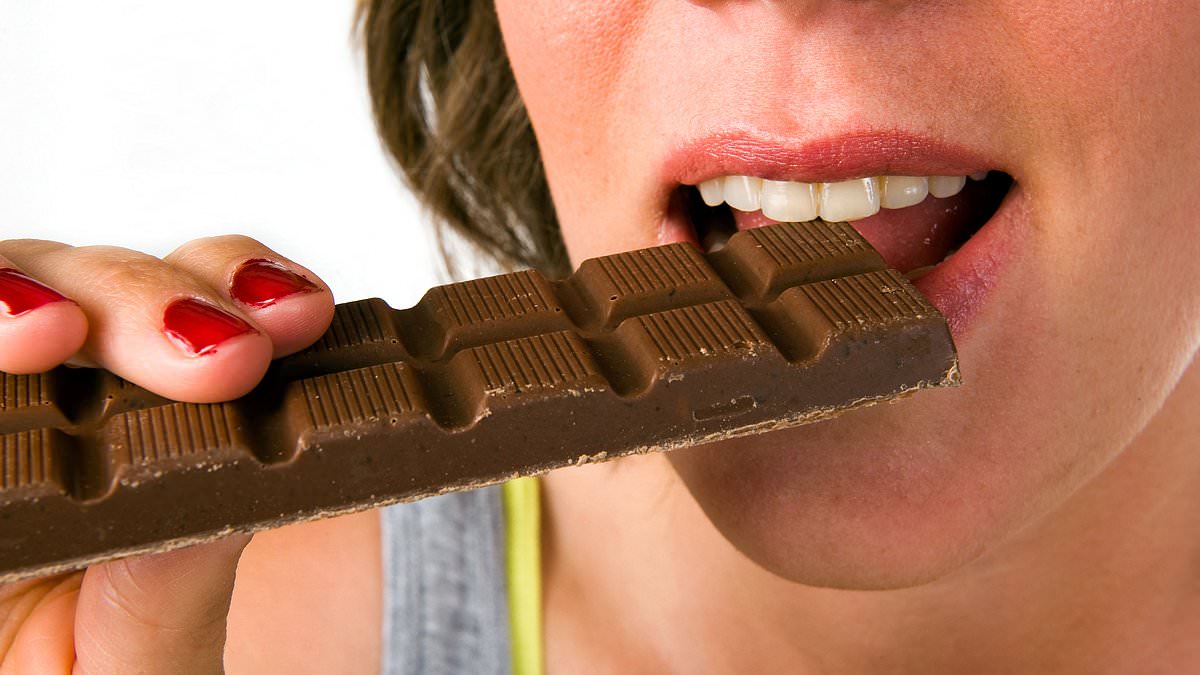
The use of weight loss jabs has nearly tripled over the past two years, knocking millions off Britain's grocery bills as users ditch junk food. New figures reveal that 6.3 per cent of households now have at least one user of the appetite-suppressing drugs, compared to 2.3 per cent in 2024. The ascent of the drugs - sold under brand names Mounjaro and Wegovy in the UK - threatens to have big implications for food and drink businesses.The drugs are taken as a weekly injection and trick the body into thinking it is full, meaning less ‘food noise’ and fewer cravings.With 1.9million Britons using the jabs, spending on groceries has declined by a total of £780m over the past year, according to researchers at Worldpanel by Numerator. It means that households with one user of a weight loss jab are spending £418 less than non-user households. Weight loss drugs are 'fundamentally disrupting' the food and drink market, researchers at Worldpanel said.Join the discussionAre weight loss jabs changing the way Britain eats for better or worse?Chantel Kennaugh, head of public sector and nutrition for Worldpanel by Numerator, said use of such drugs will have a heavy impact on categories such as bakery, chocolate and crisps. She said: ‘What was once a specialised treatment, primarily prescribed for type 2 diabetes, has in just a few short years become a mainstream force.‘These drugs are fundamentally disrupting how people engage with food and drink, with ripple effects already being felt across grocery and lifestyle, forcing brands and businesses to adapt at pace.’Spending on chocolate confectionery has fallen 18 percentage points more than in non-user households, Worldpanel says. And 75 per cent of users say they are cutting back on chocolate, while 72 per cent say they are spending less on crisps.But Kennaugh said it is not simply the case that volumes are being ‘impacted across the board’, and there have been some grocery categories that are ‘doing really well’ amongst GLP1 patients.Research has found that a desire to tackle common side effects of dry mouth and bad breath is driving a 20 percentage point uplift in mouthwash spend and a 24 percentage point uplift in chewing gum spend among jab users.And food and drink products, which ‘tick new needs’ for ‘nutrients in fewer bites’ are doing well among this group, such as smoothies, Kennaugh said.She also pointed to ‘interesting innovation’ from retailers, such as Marks & Spencer’s ‘nutrient dense range’, with language that ‘can speak to these shoppers but doesn’t fully alienate the rest of their audience.’The drugs are available on the NHS as well as from private providers.Worldpanel says its research includes people who are using NHS drugs, as well as those purchased from chemists or even other sources such as beauticians or family members.And the number is set to accelerate when UK regulators approve forms of the drug that can be taken as a pill, as they have in the US.Nishita Pattni, senior consultant at Worldpanel by Numerator said: ‘Rising adoption in markets like the US, combined with continued innovation, points to even faster uptake. As these drugs reshape user needs, consumers will increasingly look to retailers and manufacturers for support and guidance,’ she said.AJ BellAJ BellEasy investing and ready-made portfoliosHargreaves LansdownHargreaves LansdownFree fund dealing and investment ideasinteractive investorinteractive investorFlat-fee investing from £4.99 per monthFreetradeFreetradeInvesting Isa now free on basic planTrading 212Trading 212Free share dealing and no account feeAffiliate links: If you take out a product This is Money may earn a commission. These deals are chosen by our editorial team, as we think they are worth highlighting. This does not affect our editorial independence.Compare the best investing account for you
Share or comment on this article:
Fat jabs wipe £780m off Britain's grocery bills as shoppers ditch chocolate and crisps