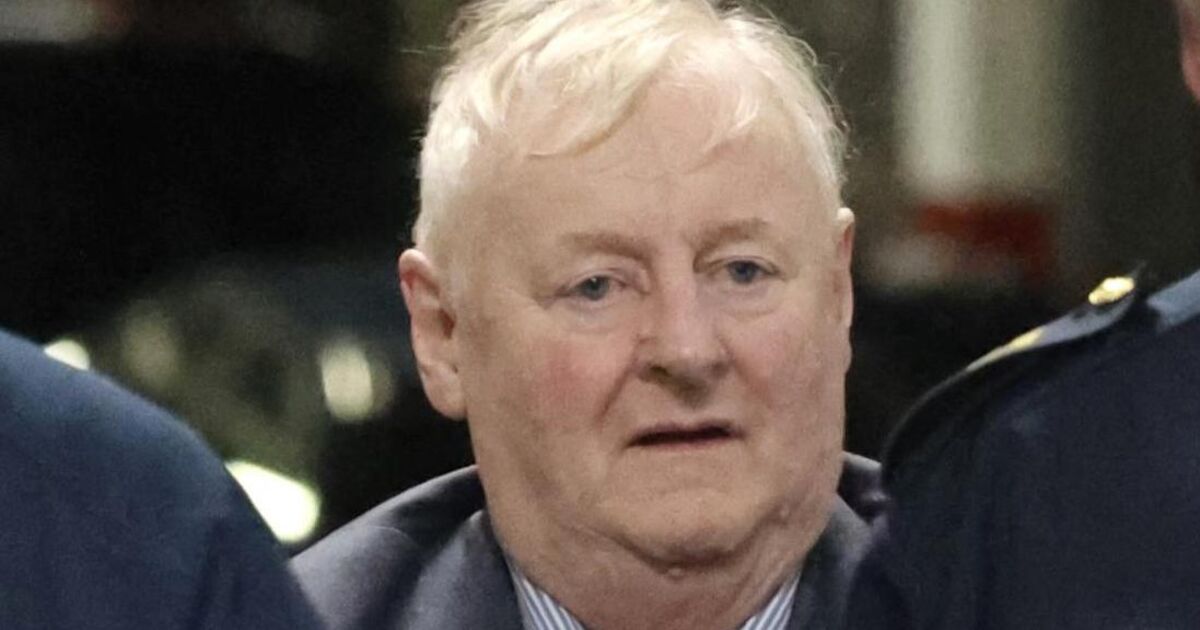
Irish Olympian Ciarán Ó Lionáird dies suddenly aged 38
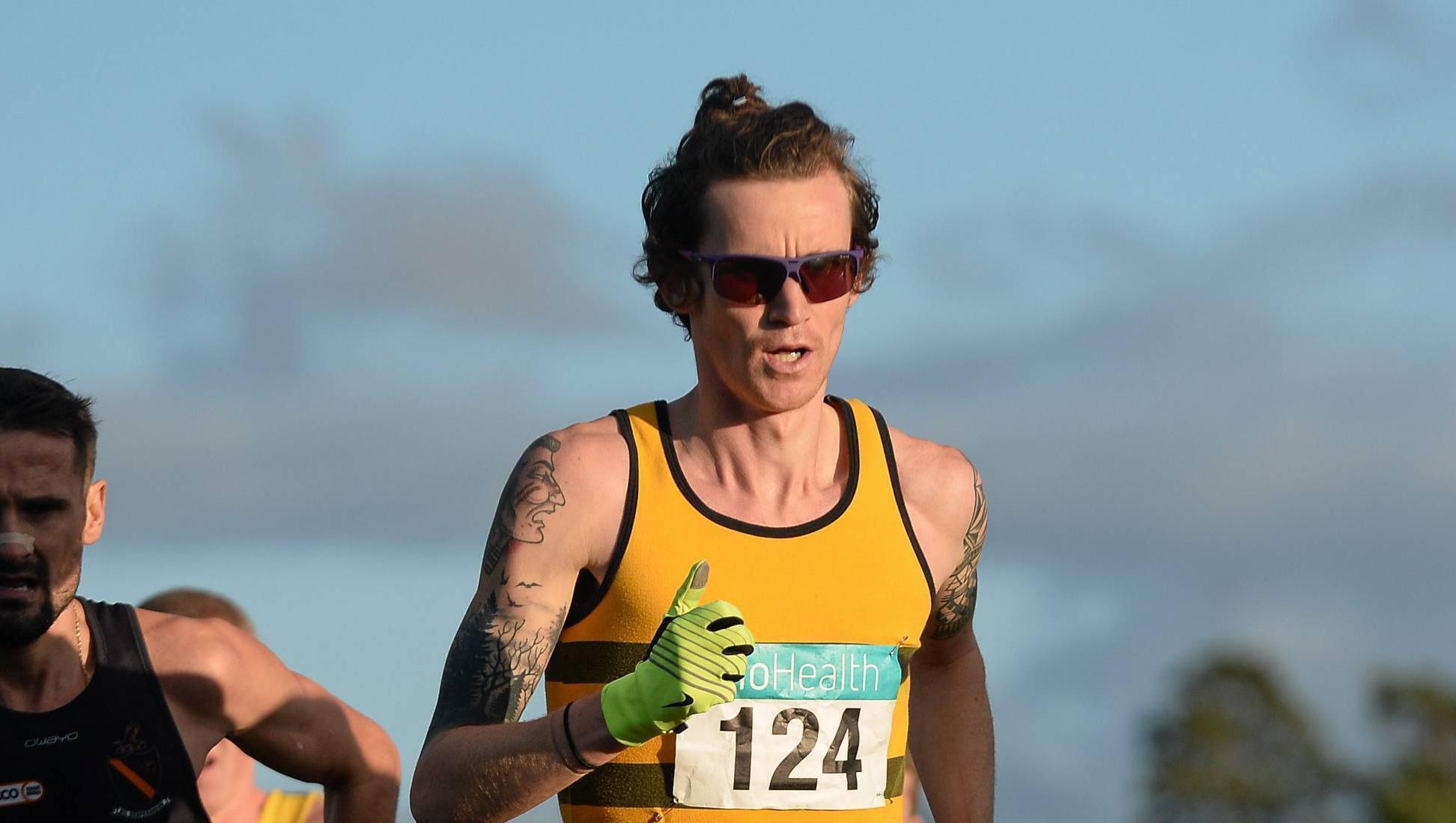
Ciarán Ó Lionáird, a 2012 Olympian and European Indoor medallist for Ireland, has died at the age of 38.The Cork native was found dead in Montreal, Canada on Tuesday morning.Ó Lionáird was one of the best Irish middle-distance runners of his generation and was capped eight times at senior level, in addition to reaching the world 1500m final in 2011.He grew up outside Macroom in Co Cork, his running talent clear from an early age as he claimed national medals for West Muskerry AC. He later moved to Leevale AC, training under Der O’Donovan and developing into a world-class junior athlete.Ó Lionáird won bronze over 1500m at the European Youth Olympic Festival in 2005 and finished 10th in the world U-20 1500m final. The following year, he enrolled at the University of Michigan on a scholarship. He struggled with injury in his time there and later transferred to Florida State University, where a prolonged period of healthy training allowed his talent to fully bloom.Shortly after completing his studies, he made his big breakthrough, dropping his 1500m best to 3:34.46 in Belgium to qualify for the 2011 World Championships in Daegu, South Korea, where he finished 10th in the 1500m final.Ó Lionáird then relocated to Portland, training as a professional at the Nike Oregon Project under coach Alberto Salazar, the American who, in 2019, was handed a four-year doping ban.Ó Lionáird trained alongside Mo Farah on the build-up to the 2012 London Olympics but struggled to cope with the intensity of Salazar’s programme. Having battled an Achilles injury on the build-up to the London Games, he trailed home 13th in his 1500m heat and then vented his frustration in an interview with RTÉ.
“This has been the worst experience of my life,” he said. “There’s no positives I can take from this. Maybe if I spend some time away from the sport, it will get me healthy again and relight the fire.” Having moved to Eugene to train under coach Mark Rowland at the Nike Oregon Track Club, Ó Lionáird bounced back to form in 2013, clocking a 3:52.10 mile at the Millrose Games in New York and winning European Indoor bronze in Gothenburg over 3000m. He had made a bold bid to win that race, his ambition likely costing him the runner-up spot.“If I ran for silver I wouldn’t have been able to get to sleep,” he said. “I ran for gold and probably lost a silver in doing that.” He underwent surgery later that year on his plantaris tendon before returning to action in 2014, but his medal tilt at the Europeans in Zurich that year came up short after he was spiked by a rival with 600m to run, leaving him stricken on the track. His injury issues continued in the years after and Ó Lionáird called time on his career in 2016.Four years later, during the early months of the pandemic, he moved to Flagstaff in Arizona where he got back running under the guidance of his friend Stephen Haas. Before long, Ó Lionáird had eyes on a return to the Olympic stage.“There is some business that has been left undone and I feel like I owe a debt to myself and owe a debt to Ireland to do a little better,” he said in 2020. “Because I know what I'm capable of when I am healthy.” But illness derailed his competitive plans in 2020 and later that year, he hung up his racing spikes for good.From 2015-2016, Ó Lionáird worked as a digital creative lead at Nike’s world headquarters in Beaverton, Oregon before working as a product manager for Nike from 2016-2021. After that, he spent three years in Los Angeles working for Vizio, a manufacturer of smart TVs, before a stint in Mexico City.Many athletes struggle with life after athletics and Ó Lionáird did face some difficulties in that transition. Nonetheless he was hugely successful in his new career and developed a big interest in house music and DJing.“I have been very fortunate with the transition I made,” he said. “There are amazing outlets for me to be able to build great friendships and I've met people from all walks of life, learned from interesting people in the most obscure places, and it's been a fun ride.” Ó Lionáird found his way back to running in a more recreational manner in recent years, an activity with which he long had a complicated, but ultimately loving, relationship.“Take away the comeback, the Olympics, anything,” he once said. “I realise now the return to the activity of running, how much I needed it, and that I am a runner at my core. As much as I want to shed it, I think it’s okay to admit this is something that you’re built to do, something you need to do.”