Parents were told son, 7, had ADHD... not realizing he was battling terrifying disease that has now left him BLIND
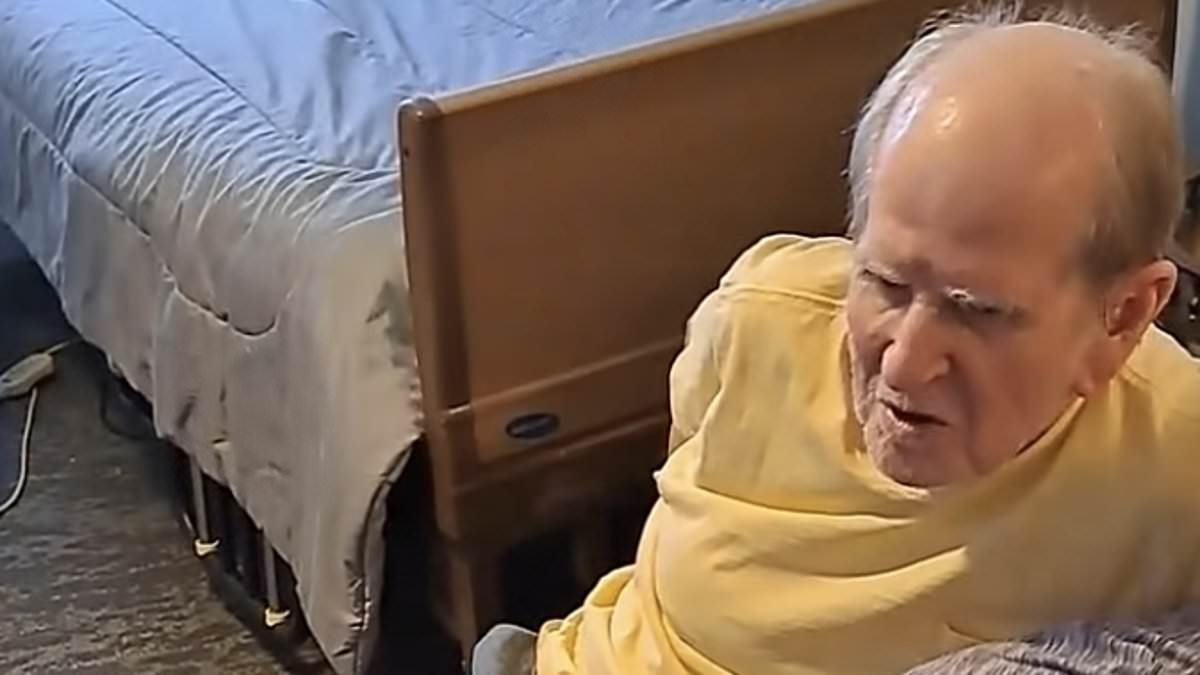
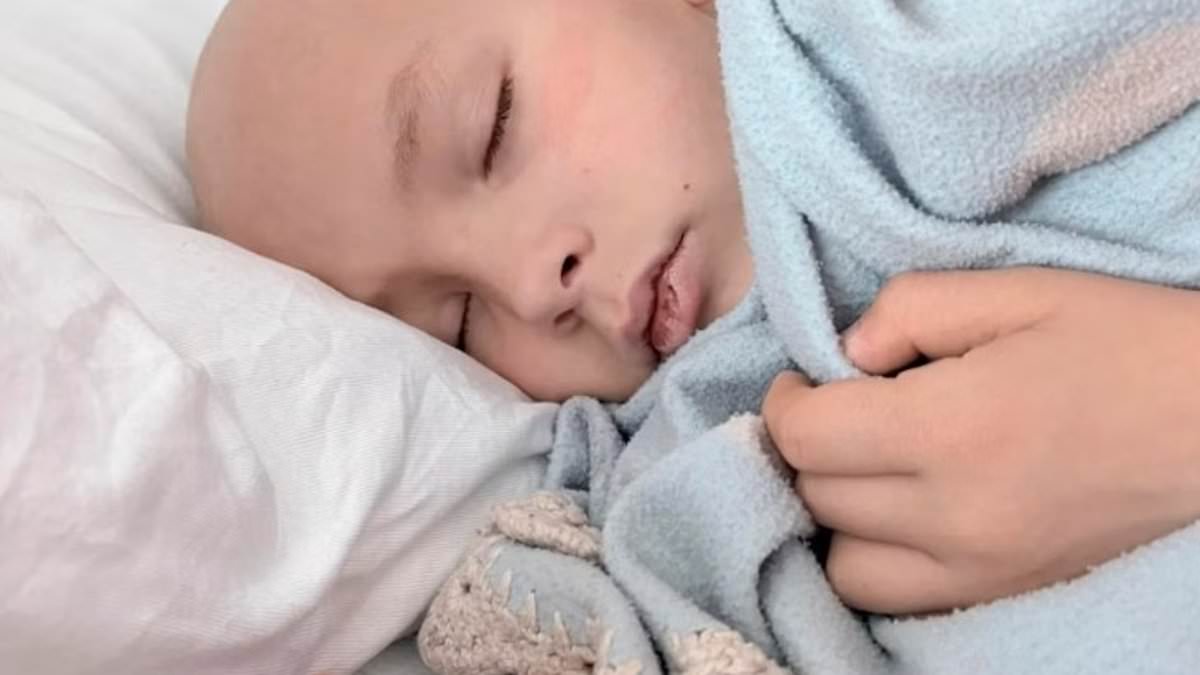
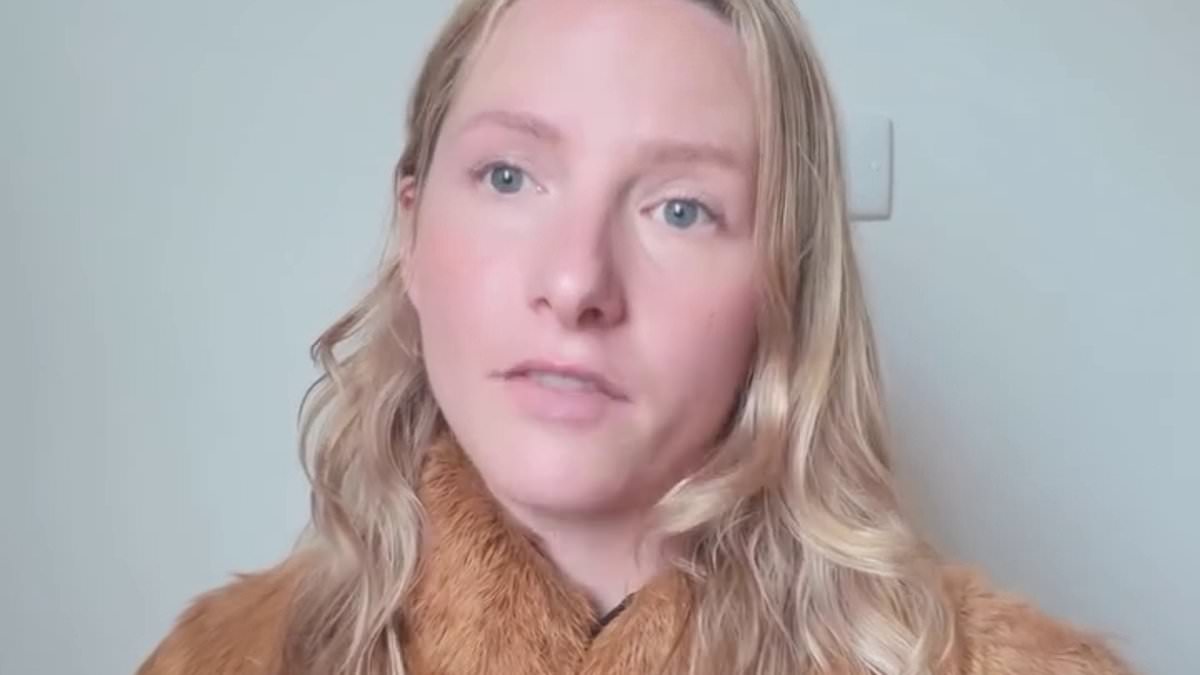
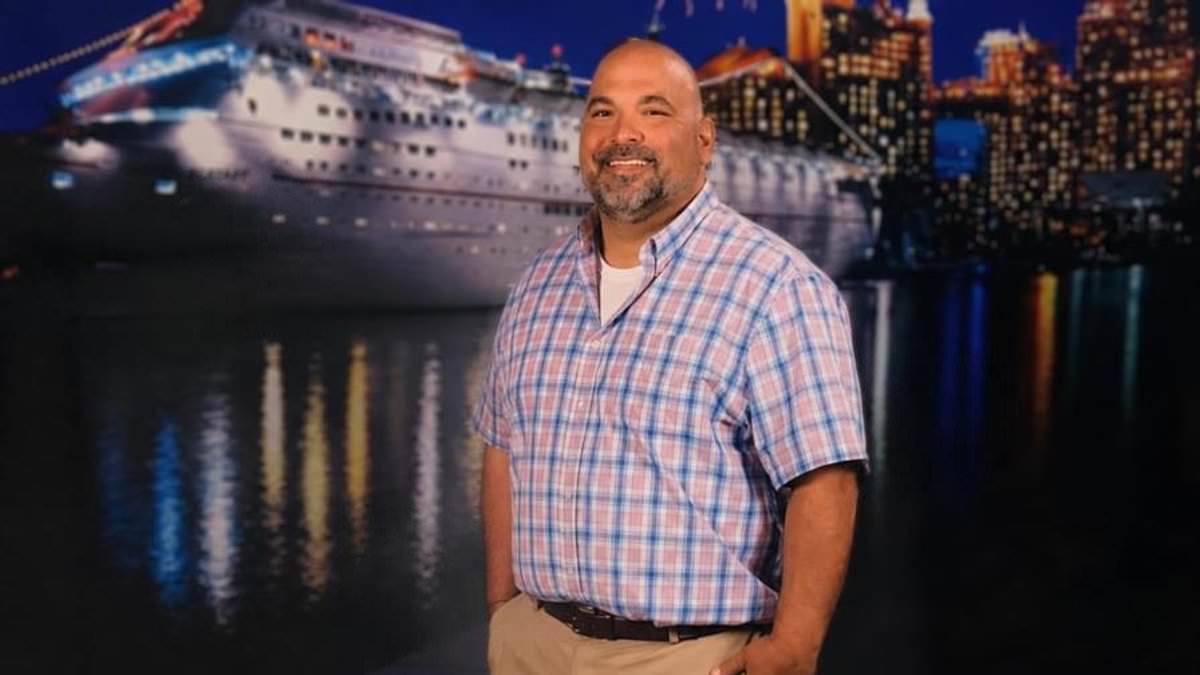
A seven-year-old boy is critically ill in hospital and unable to see or speak after his parents mistook a life-threatening illness for Attention-Deficit Hyperactivity Disorder (ADHD).What has become complete blindness for Raydon Bowen, started as small behavioral problems that his parents believed were a common and treatable condition. Christopher Culler and Bailey Bowen noticed a shift in their son's actions a little over a year ago. Trouble focusing, struggling in school, and more frequent emotional outbursts were the initial indicators.'Like many parents, we thought we were seeing signs of ADHD, behavioral challenges, anxiety, and struggles in school,' Christopher Culler told Cowboy State Daily. They worked with Raydon's pediatrician to aid his behavior issues with medication.Raydon's symptoms worsened in the spring. They received a call from his elementary school saying he was having trouble going up and down the stairs.The family was urged to take him to Primary Children's hospital in Salt Lake City, where Raydon was diagnosed with Adrenoleukodystrophy (ALD).ALD is a hereditary disorder that damages the protective membrane that insulates nerve cells in the brain. Raydon Bowen, 7, unable to see or speak, has been recovering in the bed of Primary Children's hospital in Salt Lake City after his recent stem cell transplant Raydon and his mother, Bailey Bowen Raydon Bowen of Kemmerer, Wyoming, recently diagnosed with Adrenoleukodystrophy (ALD), a rare genetic disorder that affects the communication between his brain and nervesThe improper communication between his brain and body was the cause of Raydon's emotional and physical difficulties.'The truth is that childhood cerebral ALD is incredibly rare, and the early symptoms can look a lot like other things.' Culler noted his frustration with focusing on ADHD. He found many other parents had similar assumptions and blamed a lack of available ALD screenings in Wyoming when Raydon was born.'We had never heard of ALD until it changed our son's life,' he said, stressing the importance of awareness for the disorder to prevent other families from going through the same experience.'If it's caught early enough through newborn screening and monitoring, families have a chance to intervene before symptoms appear.'Doctors informed them that there is no cure, and only ways to slow down or stop the damage.Raydon's treatment involved an infusion of stem cells from umbilical cord blood into his bone marrow. Raydon has been dealing with ALD for over a year, but it was only diagnosed this past April Raydon and his family had no idea ALD existed before the diagnosis Raydon's hospital room door, covered in photographs of him with his friends and familyOn May 4, Raydon received nine days of chemotherapy preceding the stem cell transplant. Tuesday (6/9) marks 27 days after the transplant occurred. Raydon has been unable to see or speak as his body recovers from the chemotherapy, immune suppression, and transplant.The energy needed to exert speech has been too much for him.Raydon and his family are waiting for 'engraftment,' when the stem cells settle into the bone marrow and begin creating new healthy blood cells.Although it is hard for Raydon to understand the things around him, there have been small moments of connection between him and his family.Raydon occasionally reaches to feel his father's beard or his mother's wedding rings to know they are there.'Most of our time is spent comforting him, helping him feel safe, and hoping for small signs that he’s getting through another difficult day.'The family has received community support, going 'way beyond' what they ever imagined. With an ongoing GoFundMe raising $27,440 so far, and a Facebook group dedicated to donations of money, goods, and cards.'People we’ve known our whole lives, people we’ve never met, coworkers, hunting communities, local businesses, churches, complete strangers… they’ve all stepped up,' Culler noted. Raydon and his father would often go on hunting trips together Raydon has been recovering for the past 27 days waiting for engraftment Raydon and his father were unable to go on this year's trip together due to his diagnosis Raydon's mother spends her time notating any developments with a Facebook blog.On Saturday, she posted that his absolute neutrophil count (ANC) returned to 0.1, and his white blood cells (WBC) increased from 0.1 to 0.2.'We have seen some of his numbers start moving in the right direction, which is encouraging, but the doctors have been very careful not to make promises,' Culler said.Doctors have indicated the stem cells could bring back some of Raydon's lost functions, but it is very uncertain at this time.Culler stated: 'everybody wants answers, and we want answers too, but right now nobody can tell us exactly what the future looks like.'Raydon and his father had a tradition of springtime hunting trips before the diagnosis. Culler mentioned how excited he was to teach Raydon little things this year: how to scout better, read tracks, pay attention to the wind.'Now I'd give anything just to take him for a walk in the woods,' Culler said.The process with Raydon has changed what Culler thinks is important.'Right now, we just want our little boy healthy enough to have the chance to do those things and more someday.'