Polestar 4 long-term test
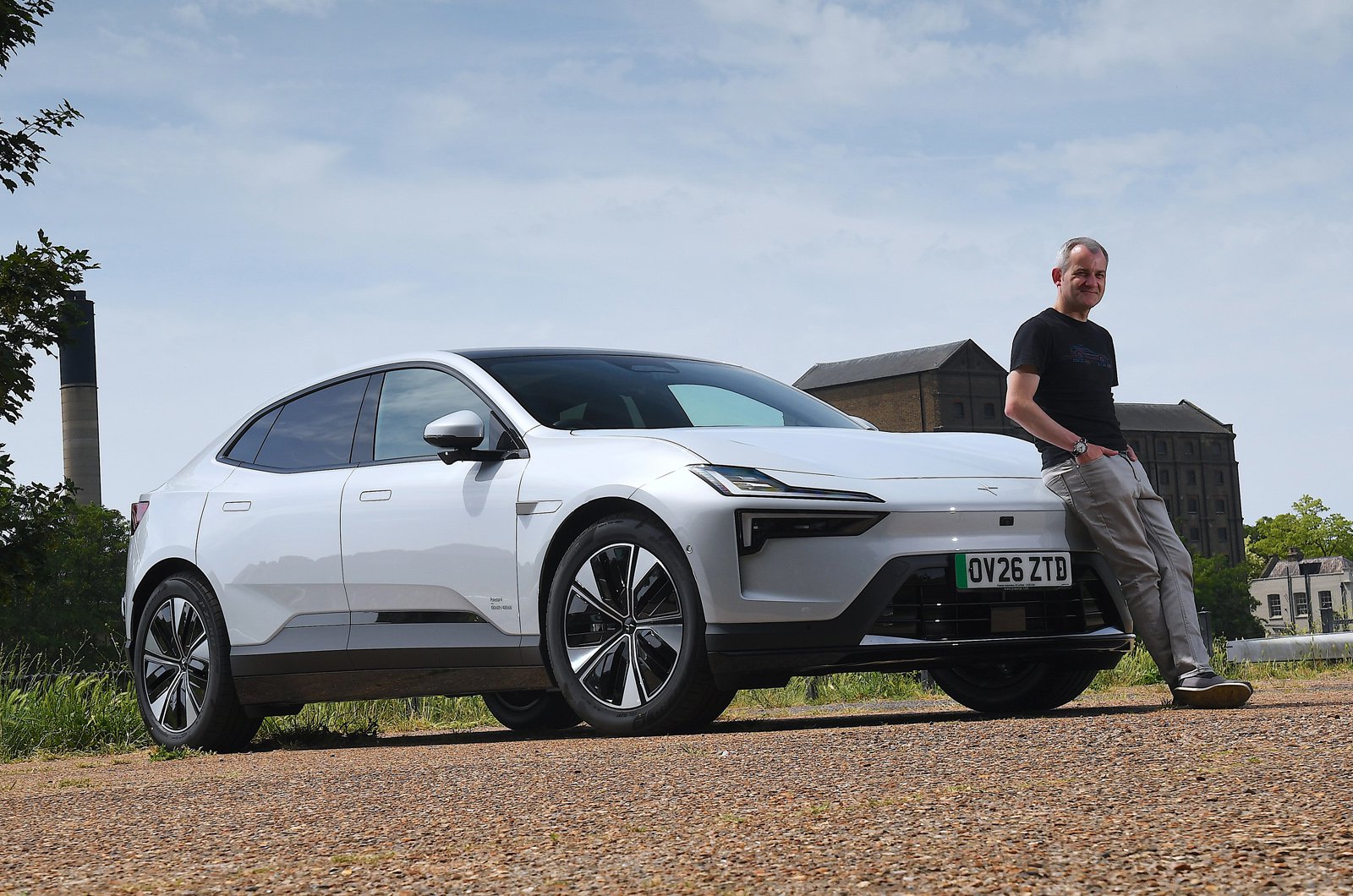
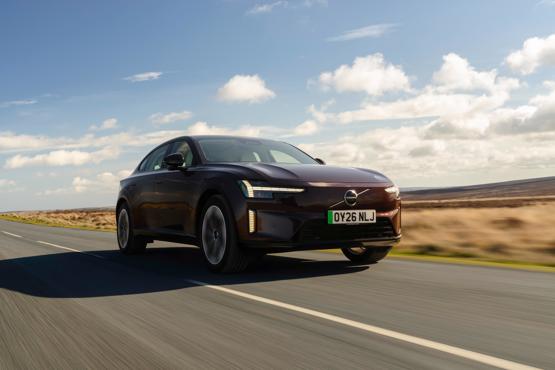
The first thing to note is that, contrary to what you might think, it’s smaller rather than bigger than the Polestar 3. For while most car brands that use numbers for model names link these to the size of the vehicle, Polestar names its cars chronologically; in other words, 4 simply signifies that this it the fourth model it launched.And that’s not the only area where there’s the potential for confusion. You see, with its low nose and sweeping roofline, it’s easy to mistake the Polestar 4 for a rival to four-door coupés such as the BMW 4 Series Gran Coupé and Mercedes CLA. However, when you climb inside you realise you’re actually sitting a long way above the road, as you would in an SUV.Given that – like all current Polestars – the 4 is an electric car, that means it’s actually more of an alternative to the Audi Q6 e-tron Sportback and Porsche Macan Electric.Mine is the entry-level model: the Long Range Single Motor. As a result, it’s rear-wheel drive (unlike the pricier, four-wheel drive Dual Motor variant) and has 268bhp (instead of 536bhp), but performance is still lively and the Single Motor car can go farther between charges: 385 miles, officially, instead of 367 miles.At least as important, as far as I’m concerned, is the fact it’s the more enjoyable of the two versions to drive, thanks to more accurate steering. Indeed, I’m a fan of its major controls full stop, because the accelerator and brake pedals are also reassuringly precise – something that’s far from a given in electric cars.One thing that is normal (at least with Polestars) is that there were no trims for me to choose between. So, it’s just as well standard equipment is pretty generous; it includes adaptive cruise control, wireless phone-charging, electrically adjustable and heated front seats, climate control, and a heat pump for efficient warming of the interior on cold days.