How Super El Niño will wreak havoc around the globe: Step-by-step graphic reveals how the unusual climate event will bring extreme heat 'nearly EVERYWHERE'
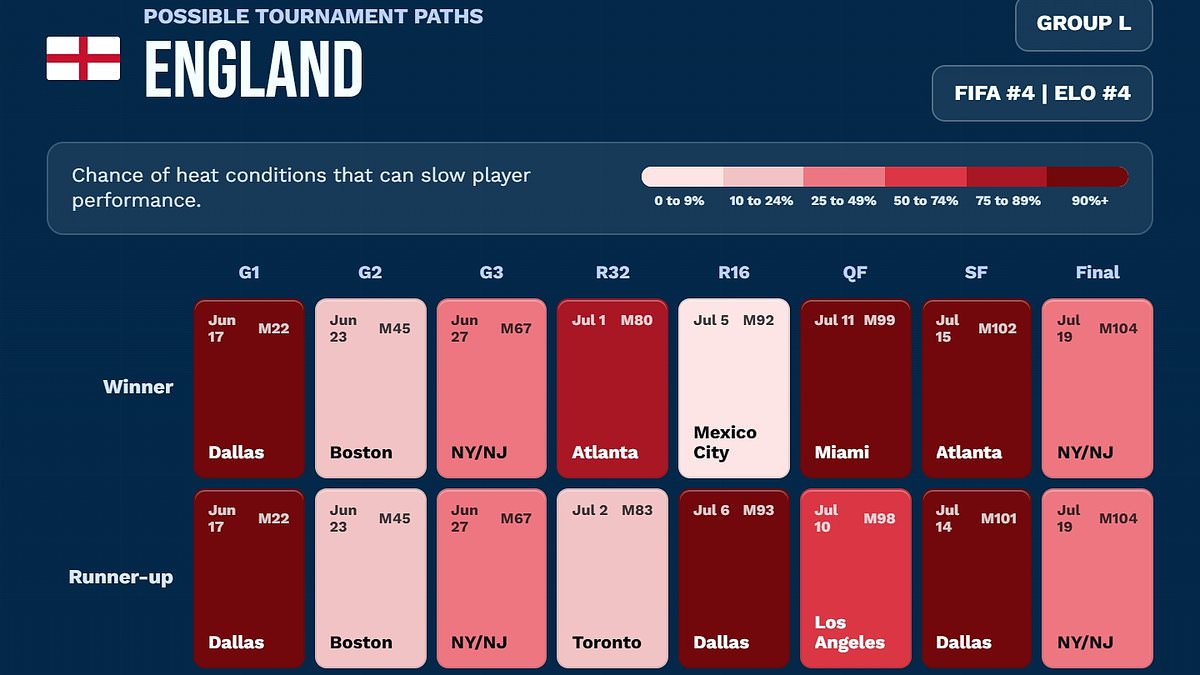
A Super El Niño is now almost certain to arrive this summer – but what does that mean for us?The Daily Mail has created a step–by–step graphic to showcase the true scale of the devastation the unusual climate event will likely cause. The El Niño cycle has been going on for hundreds of thousands of years. However, current signs point to this year being one of the strongest El Niño patterns ever recorded.Experts predict extreme heat 'nearly everywhere', with the potential for global average temperatures to rise by as much as 3°C (5.4°F) this summer. Meanwhile, Super El Niño is expected to wreak havoc on rainfall patterns around the world.According to the experts, there will be increased rainfall in parts of southern South America, the southern United States, parts of the Horn of Africa and central Asia. In contrast, there will be drier conditions over Central America, northern South America, the Caribbean, Australia, Indonesia, and parts of southern Asia.
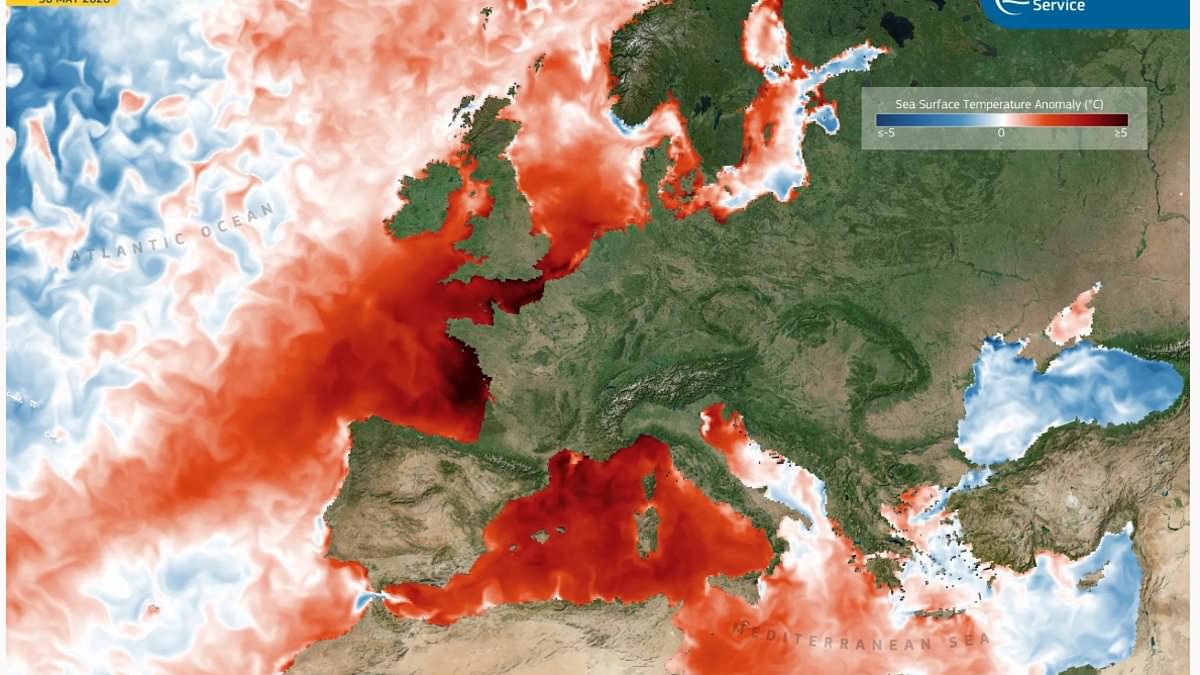
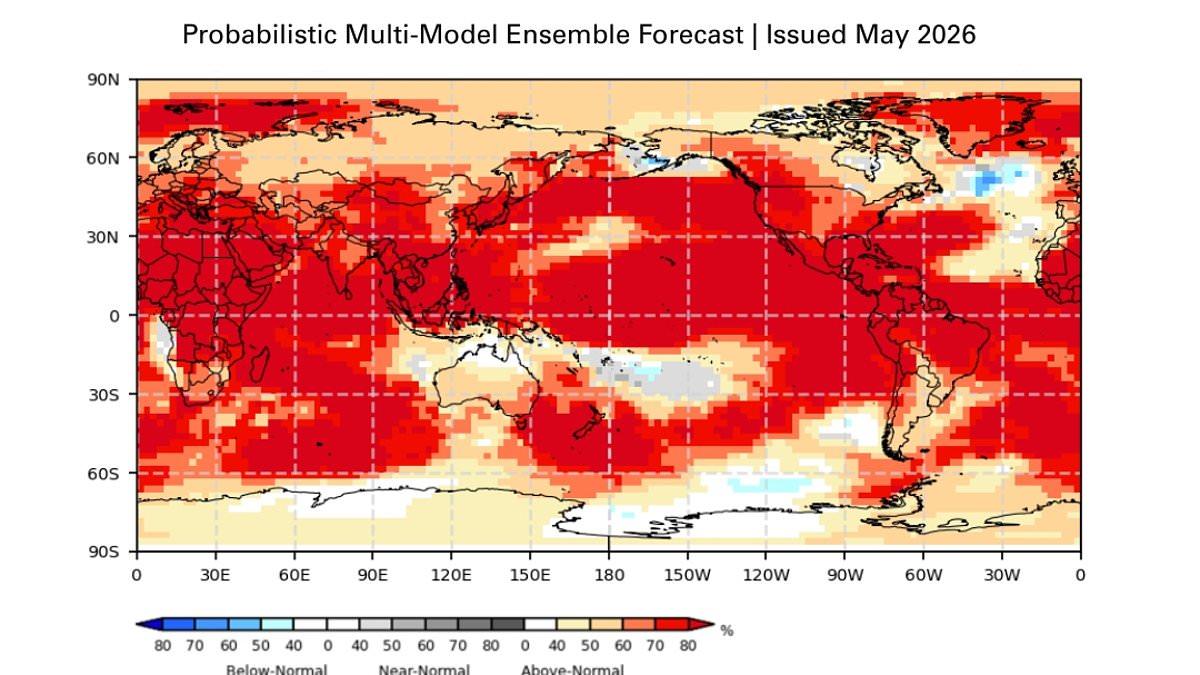
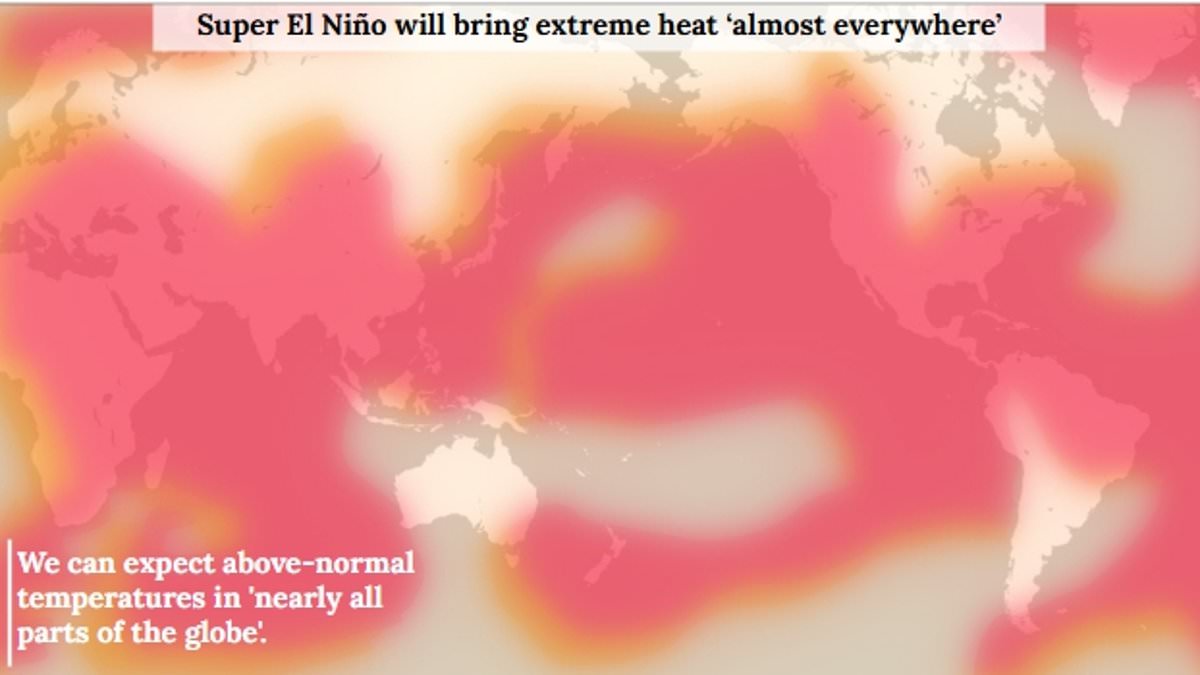
What is El Niño? The El Niño–Southern Oscillation is a natural climate pattern which cycles between a hot El Niño and a cool La Niña phase every two to seven years.During the El Niño part of the cycle, warm waters that build up in the Pacific spread out and raise the Earth's average surface temperature.This heat ends up escaping into the atmosphere, raising our planet's temperature for months.What makes this year's event 'Super'? The El Niño–Southern Oscillation has been going on for hundreds of thousands of years. However, current signs point to this year being one of the strongest El Niño patterns ever recorded.From late April to mid–May, the sea–surface temperature in the central–eastern Equatorial Pacific – the area used as a monitoring reference – was approaching El Niño thresholds, according to the World Meteorological Organisation (WMO). A Super El Niño is on its way, and is almost certain to arrive this summer. That's according to scientists from the World Meteorological Organisation (WMO), who warn there's now an 80 per cent likelihood of an El Niño event during June–August 2026, and a 90 per cent chance this will continue until at least November How will a Super El Niño impact global temperatures? According to the WMO, we can expect above-normal temperatures in 'nearly all parts of the globe'.The strongest heat signals are forecast across southern and western North America, Central America, the Caribbean, Europe, North Africa, and much of Asia.In the Southern Hemisphere, Northern South America is likely to see the strongest warming, while Southern Africa is forecast to experience widespread above-normal temperatures.In Australia, warmer conditions are mainly expected along the western, southern, and eastern coasts, with no clear trend in the north.Tropical regions are also forecast to be hotter than normal, especially Equatorial Africa and parts of Southeast Asia and the Maritime Continent. These increasing surface temperatures are being fed by unusually warm subsurface water in the tropical Pacific. Temperatures down there are a whopping 6°C above average – providing a 'substantial reservoir' of heat, the WMO explains. What's more, the Southern Oscillation Index – the atmospheric component of El Niño – is also consistent with developing El Niño conditions.While the WMO does not use the term 'super' El Niño because it is not part of standardized operational classifications, it says the strength of the event is 'highly significant'.'The strength of an ENSO event is highly significant – whether it is classed as weak, moderate, strong or very strong,' it explained. 'Even a moderate El Niño makes some weather and climate extremes more likely.'How will a Super El Niño impact global temperatures?According to the WMO, we can expect above-normal temperatures in 'nearly all parts of the globe'. While each El Niño varies, the event typically brings increased rainfall in parts of southern South America, the southern United States, parts of the Horn of Africa and central AsiaThe strongest heat signals are forecast across southern and western North America, Central America, the Caribbean, Europe, North Africa, and much of Asia. Northern parts of Asia may also be warmer than usual, although the forecast there is less certain.In the Southern Hemisphere, warmer-than-normal conditions are also expected across many areas. Northern South America is likely to see the strongest warming, while Southern Africa is forecast to experience widespread above-normal temperatures. In Australia, warmer conditions are mainly expected along the western, southern, and eastern coasts, with no clear trend in the north.Tropical regions around the world are also forecast to be hotter than normal, especially Equatorial Africa and parts of Southeast Asia and the Maritime Continent. How will a Super El Niño affect rainfall?Each El Niño is unique in terms of its evolution, spatial pattern and impacts. The event is typically associated with increased rainfall in parts of southern South America, the southern United States, parts of the Horn of Africa and central Asia, and drier conditions over Central America, northern South America, the Caribbean, Australia, Indonesia, and parts of southern AsiaHowever, the event is typically associated with increased rainfall in parts of southern South America, the southern United States, parts of the Horn of Africa and central Asia, and drier conditions over Central America, northern South America, the Caribbean, Australia, Indonesia, and parts of southern Asia.What's more, during Boreal summer (summer in the Northern Hemisphere), experts warn that El Niño's warm water can fuel hurricanes in the central/eastern Pacific Ocean, while it hinders hurricane formation in the Atlantic Basin. How likely is a Super El Niño this summer?Scientists from the WMO warn there's now an 80 per cent likelihood of an El Niño event during June–August 2026, and a 90 per cent chance this will continue until at least November. 'The science is clear: El Niño is arriving on our doorstep in the coming months with 90% certainty,' said UN Secretary–General António Guterres.WMO Secretary–General Celeste Saulo added: 'We need to prepare for a potentially strong El Niño event – which will exacerbate drought and heavy rainfall and increase the risk of heatwaves both on land and in the ocean. 'The most recent El Niño, in 2023–24, was one of the five strongest on record and it played a role in the record global temperatures we saw in 2024.'The WMO community will be carefully monitoring conditions in the coming months to inform decision–making by governments, humanitarian agencies and climate–sensitive sectors. 'Advance seasonal forecasts and early warnings are vital to save lives and cushion the impact on our economies and our communities.'