How choosing the right holiday destination is down to timing
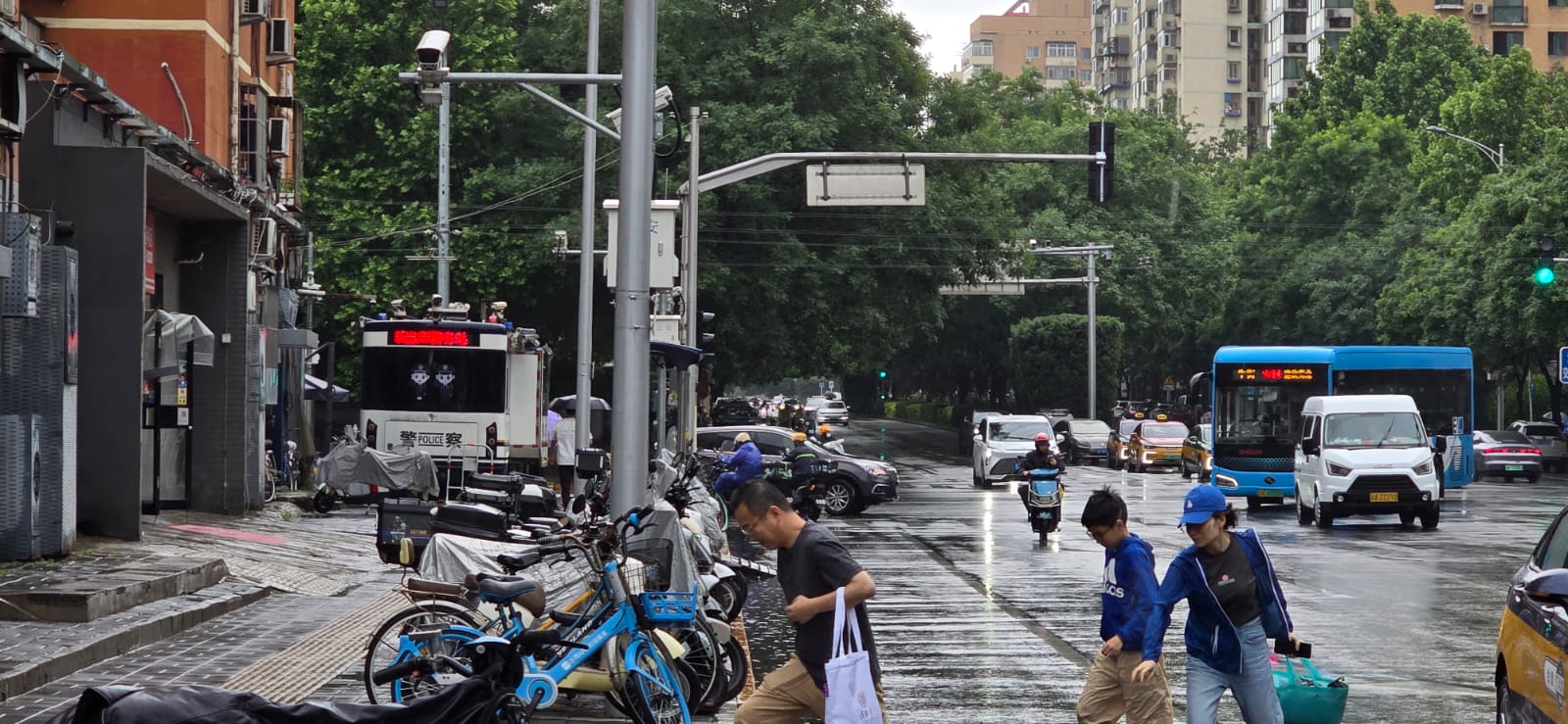
Credit: Far Out / Michel Stockman So much of successful travel comes down to planning. Whether that’s planning out your destinations to use your time effectively, or booking up exhibitions or tables at restaurants.However, there are things you can’t control, and sometimes travel comes down to luck. That might be as simple as lucking out with the weather or meeting interesting people in a bar. There’s also the added wrinkle of timing, where sometimes, being in the right place, at the right time, when the city is abuzz and feels like the centre of the world.Visit Glastonbury Festival or a World Cup host city, and you can feel, almost in real-time, the eyeballs of the world on you, and the feeling of making history. However, it’s wider than that. Sometimes you need to get lucky and visit a country or city before it blows up on social media and gets ruined.Looking back at Blighty, there are a couple of periods when it felt like the country was alive. I narrowly missed out on the indie sleaze in the mid-2000s when cheap pints, MySpace and indie rock were the order of the day in London, and bands could go from playing pubs in Shoreditch to headlining festivals within 12 months. It was the final stand before smartphones took over and documented everything, a time when you could get plastered without it ending up online. London actually had a scene and viable nightlife, and Camden was vital and alive.As much as I’m gutted to have missed that, I’m even more jealous of those who got to experience Manchester in the late 1980s and early 1990s, when acid house and Britpop spread from the city across the globe, and the yellow and black hatchings of the Hacienda defined the time. When it comes to tourism, you can miss out on being in a place when it’s at its absolute zenith. Sydney is one of the world’s great cities, but 2014’s lockout laws installed new rules that restricted alcohol sales, venue entry and enforced a 0330 last drinks deadline. Job losses and venue closures, the live music scene was crippled, and the nightlife has never really recovered; one seemingly small changed from the New South Wales government destroyed the city’s scene.Old heads talk about New York in the late 1970s and early 1980s, when danger and excitement ruled, but the unpredictability was compelling and fostered a creativity that died when the city became safer and more corporate. Further back, you have Morocco and, in particular, Tangiers, when the West’s youngsters and the Beat Generation explored the Hippie Trail in North Africa. Then there’s Paris in the 1920s, when post-war France became a magnet for writers, artists and intellectuals from around the world. Some of the century’s most important historical figures sat in cafes just hundreds of metres apart.In my own lifetime, I’ve seen Berlin soften its industrial, DIY aesthetic edges into something more mainstream-friendly. Techno might still be the heartbeat of the city, but that person in front of you in the queue for Berghain probably listened to a Taylor Swift playlist that morning. Further reading: TravelDid ‘Top Gear’ inspire a generation of Britons to travel?Hebridean Sun: When the Isle of Skye became the unlikely site of a hippie communeThousands protest against housing crisis in Madrid: “We want neighbours, not tourists”Hong Kong is still one of the world’s greatest cities, but jump in one of its famous red taxis, and the driver will quite often tell you that things just aren’t the same anymore, and that it doesn’t feel quite like it used to, when it was the meeting point of Asian and Western cultures. Once exclusive and relaxing, Mykonos has now become a favourite haunt for League Two footballers and Thailand has become so popular on social media that you now know the exact contents of the 7-Eleven fridge before you even set foot in the country.Over the past 12 to 24 months, we’ve seen China breakout as a tourist destination in a major way, well aided by relaxations to visa schemes for many European nations, and most recently the UK. Before, only the largest cities, such as Beijing and Shanghai, saw major Western tourism, but that’s expanding, with Chongqing and its cyberpunk aesthetic becoming a huge hit on TikTok. No sooner are these places going viral than they get saturated and ruined, and that comes in a variety of forms. They can simply be too busy, become too expensive, lose the very authenticity that made them so fun to begin with, or suffer law changes, with Kyoto recently bringing in new rules to curb invasive tourism.It feels like the cycle of cities becoming excellent and then fading into being another humdrum destination is becoming ever quicker. The internet is largely to blame, with the world getting smaller and anything interesting or unique being jumped upon by an army of content creators. Instagram and YouTube algorithms take our attention spans to new places and feed everyone the same hot locations, giving them virality almost overnight, which isn’t to say we should be gatekeeping places, but more an acknowledgement that the rules of the game have changed. Cultural decay and the death of a scene used to take years or crucial moments and mistakes, but now it happens when the algorithm jumps to somewhere new. ADD AS A PREFERRED SOURCE ON GOOGLE