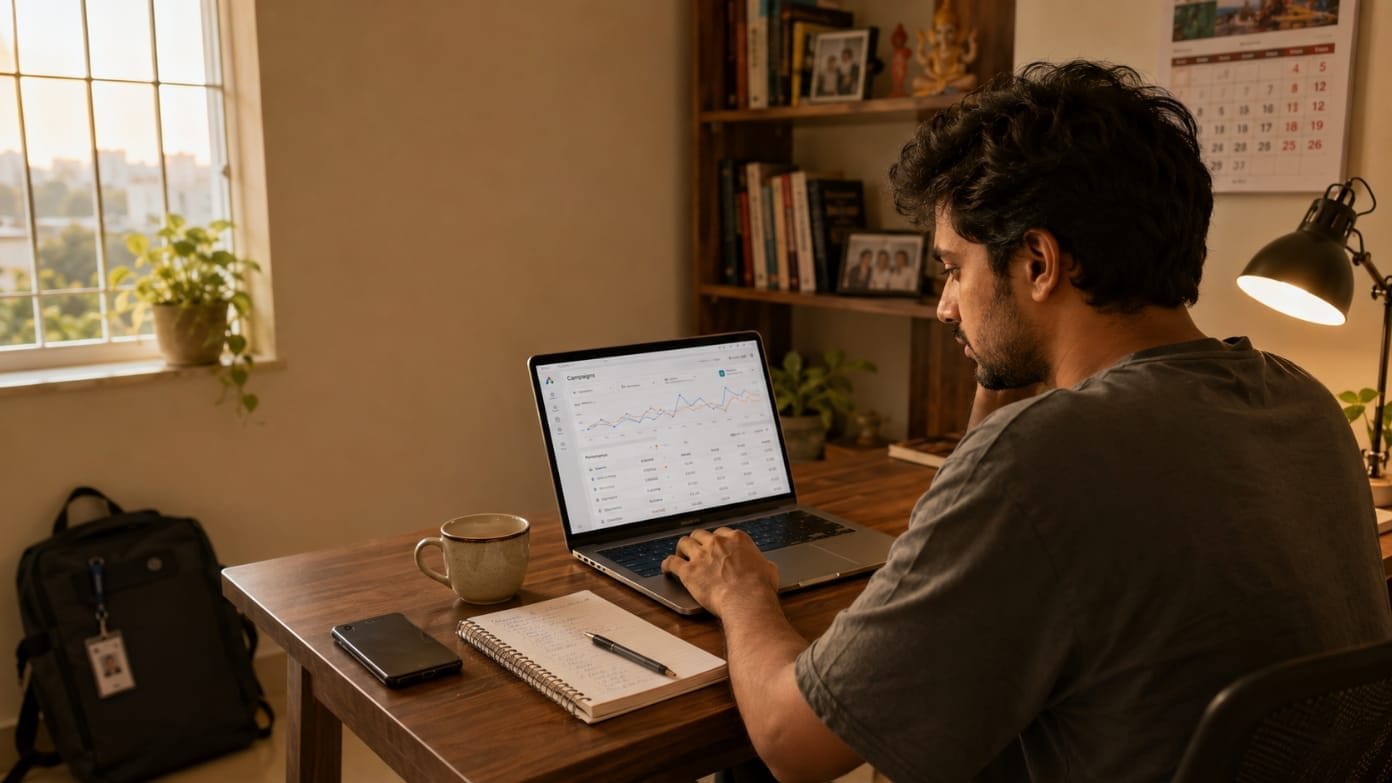
Your 9 to 5 Colleague Might Be Running a Fashion Brand After Hours, Without a Rupee of Inventory
By the time office hours end, a growing number of young professionals are logging into something entirely different from their day jobs. Some are working on T-shirt designs, some are testing Instagram ads, and some are tracking orders for merchandise brands, which they built after work.
Across the expanding creator economy and side-hustle culture, print-on-demand is making it possible for first-time entrepreneurs to launch fashion and merchandise brands without stocking products or worrying about unsold inventory.The global direct-to-consumer market has grown rapidly over the last few years, encouraging creators, designers, freelancers, educators, and salaried professionals to explore additional income streams without taking on the traditional risks associated with apparel retail. Industry reports estimate the global print-on-demand market to cross $39 billion by 2030, with much of that growth driven by independent sellers rather than established retailers.
Show Full Article
A New Retail Model
Unlike conventional clothing businesses, where sellers typically invest in bulk inventory before making a single sale, print on demand works only after a customer confirms an order. Products are printed, packed, and shipped individually through fulfilment partners, reducing the need for warehousing or large starting capital.For many first-time sellers, this approach has lowered one of the biggest barriers to entering the fashion business. It has also aligned closely with the way internet-led brands are now emerging. Instead of building large catalogues upfront, sellers are testing smaller, niche ideas driven by online communities and cultural trends.Niche Fashion Brands
Anime-inspired graphics, regional pop culture references, meme-driven typography, creator merchandise, and hyper-local themes are increasingly finding audiences through Instagram pages and independent Shopify stores.Cultural and community identity, in particular, has become a strong category within the online apparel space. Sellers are building collections around fandoms, subcultures, and regional themes, targeting audiences that often feel underrepresented in mainstream fashion retail.Because products are manufactured only after purchase, sellers can experiment with designs and trends without carrying inventory risk. The rise of creator-led commerce has also contributed to this shift.YouTubers and creators are increasingly treating merchandise not just as branding, but as an additional business vertical. Instead of managing production units or courier operations themselves, many are now relying on fulfilment platforms that automate printing and shipping once an order is placed online.Fulfilment Infrastructure
Print-on-demand platforms such as Qikink are part of the backend infrastructure supporting this ecosystem. Sellers are allowed to select from a wide range of customisable print-on-demand products while incoming orders move directly into automated production workflows.Once a customer places an order, the fulfilment process is handled automatically. Depending on the product category, fulfilment partners use different printing methods before orders are packed and shipped directly to customers. Sellers can also customise branding elements such as neck labels, allowing even small independent stores to create a more established retail experience.Industry observers say this operational simplicity is one reason the model is attracting working professionals who may not have the time or resources to manage a traditional business full-time. Orders continue to move through the system without the seller physically handling inventory, packaging, or delivery logistics.Challenges Remain
Print on demand does not remove every challenge associated with building a brand, and long-term success still depends heavily on marketing, audience-building, and product positioning.Sellers also need to evaluate fulfilment quality and delivery consistency before scaling their stores. While the operational side of the business has become more accessible, competition in online fashion and merchandise continues to grow rapidly.The Shift Ahead
The model is reshaping how small fashion businesses begin. Launching an apparel brand no longer depends on owning inventory or operating from a physical store.For many first-time entrepreneurs balancing regular jobs and creative ambitions, the business now begins not with a warehouse, but with a design idea and a few hours after everyday 9-to-5 work.ThePrint BrandIt content is a paid-for, sponsored article. Journalists of ThePrint are not involved in reporting or writing it.