How Telegram Mini Apps Are Quietly Bringing Millions of New Users Into Crypto
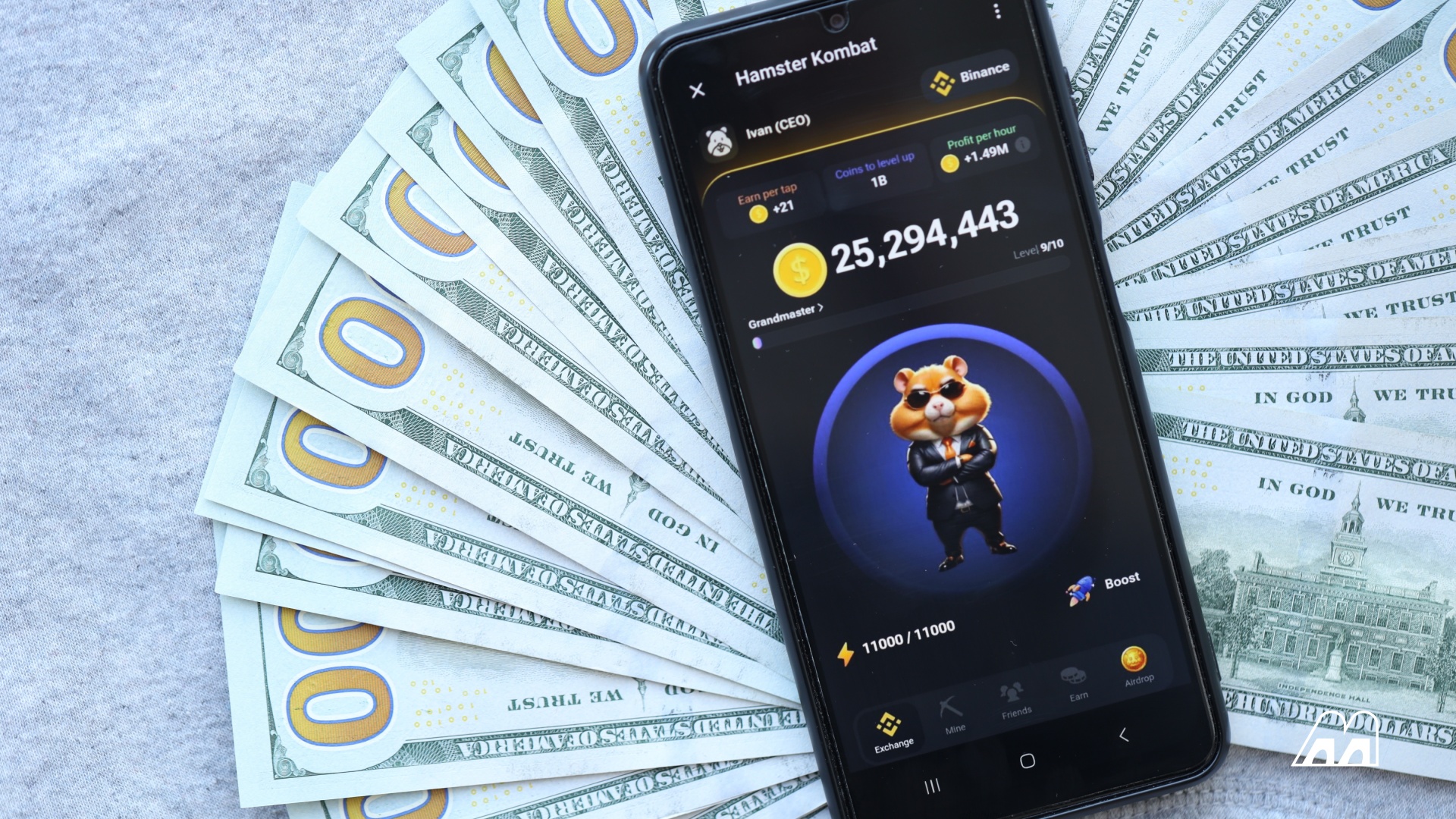
Telegram Mini Apps are rapidly becoming one of crypto’s biggest onboarding tools as millions of users play blockchain games and use crypto services directly inside Telegram. The trend is driving major growth across the TON (The Open Network) ecosystem, where developers are building lightweight apps that feel closer to normal mobile experiences than traditional blockchain platforms. Here’s why Telegram’s Mini App ecosystem is growing so quickly and how it could change the way new users enter crypto.What Are Telegram Mini Apps? Telegram Mini Apps are lightweight programs that run directly inside the Telegram app. You don’t need to download anything separately. You tap a link or open a bot, and the app runs instantly inside your chat.That might sound simple, but it’s a big deal for crypto. Normally, getting started with blockchain means downloading a separate crypto wallet app, writing down a long recovery phrase, paying network gas fees, and learning how transfers work. It’s a lot of steps, especially for beginners.Mini Apps skip most of that friction. You just tap, play, earn rewards, or interact with services without ever leaving Telegram. For many users, it feels more like using a social app than using blockchain technology. Why the TON Ecosystem Is Growing So FastMost Telegram Mini Apps run on TON, a blockchain whose growth is closely tied to Telegram’s enormous user base. With more than 1 billion monthly users globally, Telegram gives TON developers instant access to one of the largest built-in audiences in tech.This scale has already translated into real activity. By October 2024, TON had already processed 26 million transactions with $39.6 billion in volume, largely driven by the surge in Mini App activity. A major turning point came in July 2025 when the TON Wallet Mini App launched for US users in July 2025, giving 87 million Americans access to self-custodial crypto wallets without needing a separate app. A self-custodial wallet lets the user hold their own funds directly, rather than keeping them on a crypto exchange. Projects like Blum, STON.fi, and TON Wallet are now expanding this ecosystem into payments, token trading, and financial services.Why Crypto Companies Care About Simpler Onboarding The traditional path into crypto has always been hard. To buy your first token, you typically need to sign up for an exchange, verify your identity, link a bank account, figure out how wallets work, and then navigate a trading interface that looks like a stock market dashboard. For most people, that’s too many steps.Telegram Mini Apps simplify all of that.Because users already understand messaging apps, they don’t need to learn a new system. Instead, they interact through familiar actions such as chatting, tapping buttons, sharing links, and joining groups.That makes onboarding feel less intimidating. The easier it is to start, the faster new users enter the ecosystem. For developers, this removes one of crypto’s biggest barriers: complexity. How Tap-to-Earn Games Helped Drive the TrendTap-to-earn games were a major breakout moment for Telegram’s crypto ecosystem. They combined social sharing, mobile gaming, and rewards into a simple format anyone could understand. Notcoin was one of the first viral hits. Users tapped a coin icon on screen to earn points, which were later converted into real NOT tokens on the TON network. The game reached 4.1 million players in just one week, showing how quickly simple gameplay could scale. Then came Hamster Kombat which was built on that blueprint. It reportedly reached over 300 million players, using TON’s infrastructure to distribute rewards and onboard new participants through airdrops, where users receive free tokens for activity. These games grew fast because they mirrored mobile gaming behavior. Referral rewards, leaderboards, and daily engagement loops kept users coming back and sharing with friends. The Risks Behind Telegram’s Crypto BoomDespite the momentum, risks remain. Many Telegram Mini Apps still rely heavily on speculation and reward incentives to attract users. Once token incentives slow down, user activity often drops. Bot activity is also a growing concern. Some tap-to-earn games such as OnChain have faced accusations of inflated user numbers driven by automated accounts rather than real engagement.Scams and hacks remain another major issue. Because Mini Apps spread through Telegram groups and links, fake apps and phishing attempts can circulate quickly. Finally, long-term retention remains unclear. Millions of users joined viral games, but it’s still uncertain how many will stay once the rewards and hype fade. Could Messaging Apps Become the Next Crypto Platforms?Telegram isn’t the first app to move in this direction. In China, WeChat already combines messaging, payments, shopping, and mini apps inside a single platform used by 1.4+ billion people monthly. It showed that users prefer everything in one place instead of switching between apps. Telegram is now applying a similar idea to crypto. By combining messaging, wallets, games, and blockchain tools inside one platform, it’s making crypto feel far more accessible to everyday users. The key difference is that Telegram builds on open blockchain infrastructure rather than a closed payment system controlled by a single company. The bigger question is whether this model can scale beyond viral games and speculation. So far, the growth suggests demand is real. What happens next depends on whether Telegram’s crypto ecosystem can turn millions of curious users into long-term users who continue using blockchain services after the hype fades.