McIlroy becomes a Major player
Rory McIlroy’s transformation from elite golfer to global commercial force has been building for years, but the period between his Masters triumph in 2025 and his successful defence this year has fundamentally reshaped the scale and structure of his financial world, writes Rob Hartnett.
What changed was not simply how much he earned, but how he earned it — and how his value is now perceived far beyond the fairways.
When McIlroy slipped on the Green Jacket at the 2025 Masters Tournament, it completed his career Grand Slam and closed a narrative that had followed him for more than a decade.
For sponsors and commercial partners, that moment carried weight well beyond the prize purse.
It turned McIlroy from a consistently brilliant player into a historic figure, placing him in a category that commands a different level of attention, relevance and, crucially, commercial leverage.
Before that victory, McIlroy was already one of golf’s highest earners, with a portfolio of long-standing partnerships and a reputation as one of the most marketable athletes in the sport.
But his Masters breakthrough altered the story brands were buying into. It was no longer about potential or even consistency; it was about legacy.
That distinction matters in a marketplace where narrative drives value. Athletes who can be framed as all-time greats tend to transcend seasonal performance cycles and become longer-term commercial assets.
When Rory signed with Nike, the story was that he would be the natural heir to Tiger Woods, a transformational character.
By returning to Augusta in 2026and winning again, McIlroy moved beyond the emotional resonance of a long-awaited victory and into the territory of sustained dominance.
Back-to-back Masters titles are rare. This is one of only four in history, the last of them being Tiger’s. The potential has become reality.
It is in this context that Rory’s evolving approach to commercial partnerships becomes particularly important.
The modern athlete is no longer just a brand ambassador; increasingly they are an investor, a stakeholder and a strategic partner.
McIlroy’s involvement with Whoop is a clear example of that shift, and one that has taken on greater significance in the wake of his Masters success.
Whoop operates in a different space to traditional endorsement products. It is not about logo visibility or lifestyle association, but performance, data and long-term behavioural change.
The company’s wearable device tracks sleep, recovery and physical strain, offering users insights into how their body responds to training and stress.
For an athlete like McIlroy, whose margins at the top of the game are increasingly fine, that kind of data-driven approach is a competitive necessity.
His decision to invest in Whoop, rather than simply endorse it, reflects a broader recalibration of how he builds wealth.
Instead of relying solely on guaranteed income from sponsorship deals, he is positioning himself to benefit from the growth of companies aligned with his own performance philosophy.
The timing of that investment has proved significant. As McIlroy’s profile surged following his 2025 Masters win, and again after his 2026 defence, the visibility of everything associated with him increased in parallel.
That includes the technologies he uses and the companies he backs. It works both ways and Whoop’s latest fundraising round valued the company in excess of $10 billion.
Whoop’s focus on marginal gains, recovery and optimisation mirrors the narrative that now surrounds McIlroy’s career.
His return to Major-winning form has been framed as the result of discipline, refinement and smarter preparation. The technology becomes part of that story, reinforcing both the brand and the athlete in a mutually beneficial loop.
Financially, this marks a shift in how McIlroy’s wealth is likely to evolve. His prize money from back-to-back Masters victories is substantial, and endorsement income continues to place him among the highest earners in global sport.
But the real upside increasingly lies in assets that can grow independently of his playing career.
Rory’s commercial appeal has been strengthened by his positioning within the wider landscape of professional golf. In an era defined by disruption and competing tours, McIlroy has emerged as a central figure of stability and leadership.
Rory McIlroy of Northern Ireland raises the trophy, during the Green Jacket ceremony, after the final round of the Masters Tournament at Augusta National Golf Club on April 12, 2026 in Augusta, Georgia. (Photo by Ben Jared/PGA TOUR via Getty Images)
The story of McIlroy’s commercial fortunes over this period is one of compounding advantage.
The Green Jacket may still be the most visible symbol of his achievements, but the real transformation lies in what those victories have enabled him to build away from Augusta.
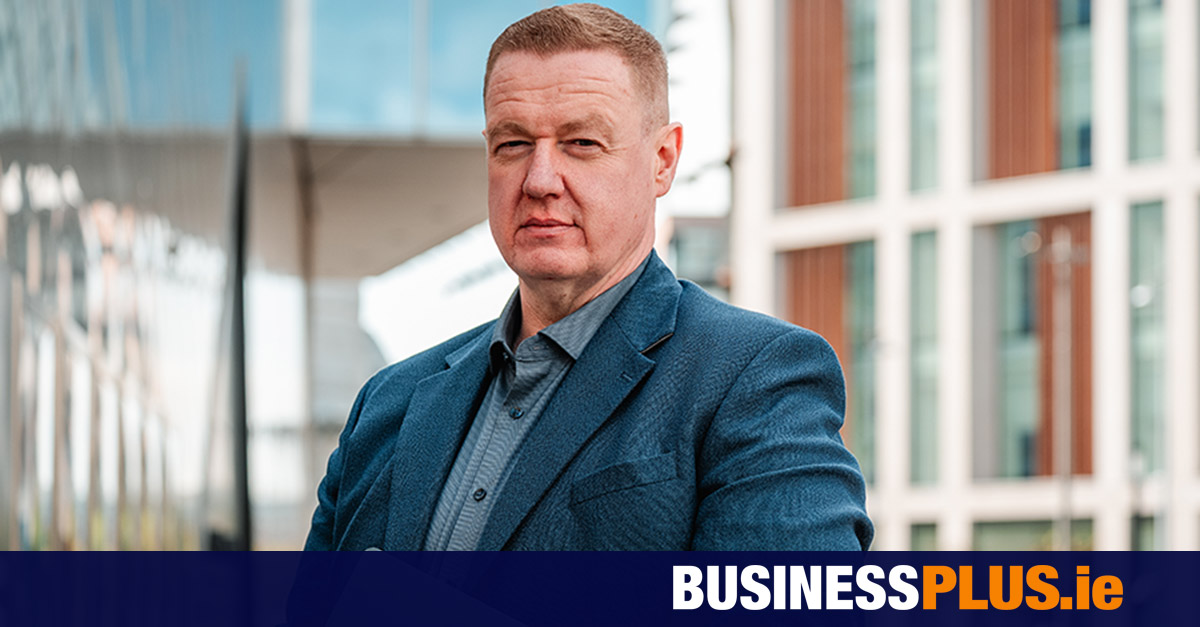
Rob Hartnett is the founder of Sport for Business, a publishing, events and networking business at the heart of the commercial world.





Comments (0)