The Weird Side of African Wildlife
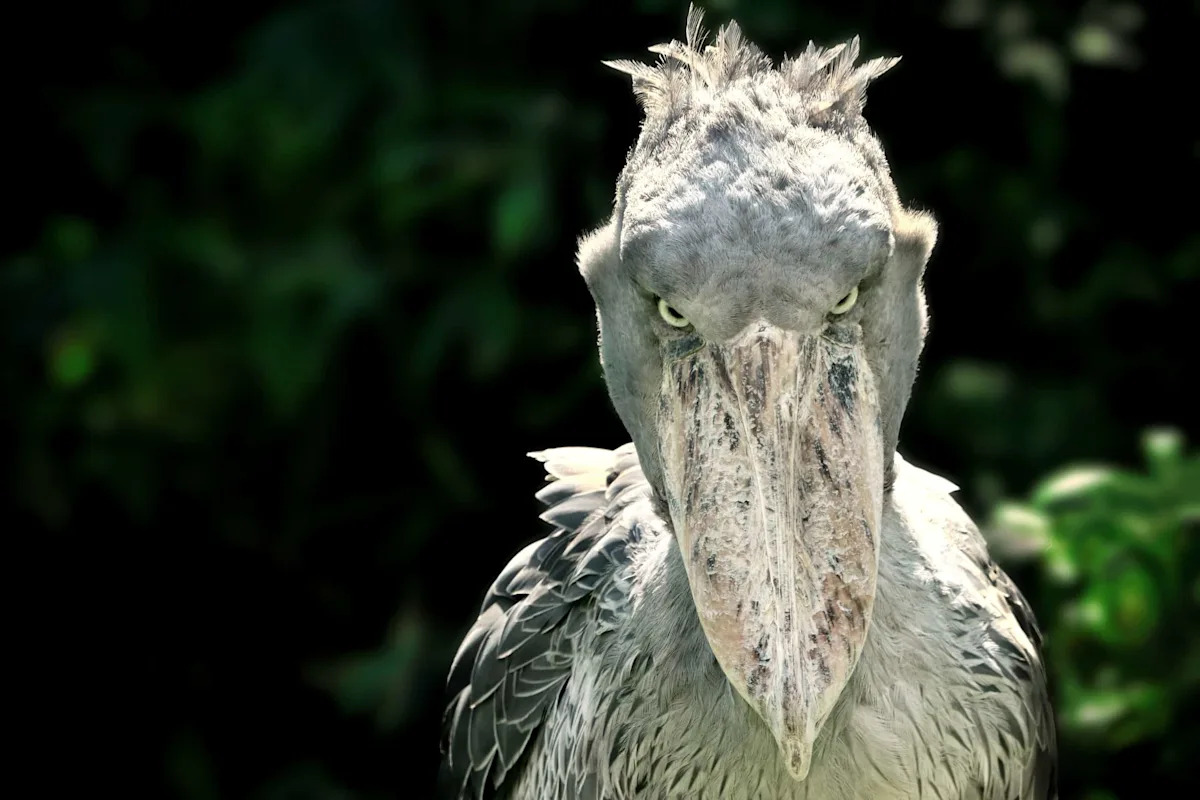
The post The Weird Side of African Wildlife appeared first on A-Z Animals.Africa is home to some of the most fascinating wildlife on Earth. After all, there’s a reason you think of the continent when you hear the word “safari”. But beyond lions, elephants, and giraffes, Africa is home to a variety of strange creatures. Some of them look so odd they almost seem fictional. These animals are known for bizarre body shapes, unusual survival mechanisms, or unexpected hunting methods. These intriguing creatures evolved in wild ways sometimes due to their environments, like harsh deserts, dense jungles, or remote savannas. Here are 9 of the weirdest animals in Africa.1. Aardvark©AdamZ9/Shutterstock.comThe aardvark looks like an artist created a bizarre creature by combining parts of random animals. It appears to be part rabbit, part pig, and part kangaroo. It has long ears, a pig-like nose, thick claws, and a sticky tongue for reaching deep into termite mounds. These adaptations contribute to its strange appearance but also help the aardvark with its highly specialized diet. These animals eat tens of thousands of insects in one night. It also helps other wildlife by digging enormous burrows that other African animals later use as shelters. Though this species thrives in Africa, many people on the continent have never seen one because they are nocturnal and shy.2. Shoebill©iStock.com/Michel VIARDThe shoebill is named for its massive shoe-shaped beak. This menacing feature, along with its eerie stare and four-foot-tall stature, make it one of the most intimidating birds on Earth. To top it all off, its deep clattering calls sound more like machine guns than bird noises. Despite moving at an incredibly slow pace (they sometimes look frozen), shoebills possess lightning-fast strikes when hunting prey like lungfish, baby crocodiles, and other swamp creatures. Many people compare the shoebill to a dinosaur because it looks truly ancient.3. Gerenuk©Martin Pelanek/Shutterstock.comMany people have never heard of the gerenuk, which is often called the “giraffe gazelle” because of its elongated neck. What makes it especially weird is that it regularly stands upright on its hind legs to eat leaves high in bushes. This posture makes it look almost human-like, which is unsettling at first glance. Unlike many antelope, the gerenuk can survive long periods without drinking water. Its thin body and tiny head make it one of Africa’s oddest-looking hoofed mammals.4. Pangolin©Vickey Chauhan/Shutterstock.comThe pangolin is the only mammal in the world covered almost entirely in scales, giving it a dragon-like appearance. When threatened, it curls into a tight ball that resembles a sphere of armor. Lions and hyenas often struggle to access the pangolin when it is in this state. Similar to aardvarks, pangolins use extremely long sticky tongues to grab ants and termites from deep tunnels. They have poor eyesight but a great sense of smell. Sadly, these highly unique and gentle creatures are also among the most trafficked animals in the world.5. Okapi©Nisansala99/Shutterstock.comThe okapi looks like a zebra-deer hybrid. In reality, it is the closest living relative of the giraffe (though it lacks the associated long neck). Scientists believe its striped legs are for camouflage purposes, helping it blend into patches of sunlight filtering through rainforest trees. The okapi’s most fascinating feature is its tremendously long blue tongue. So long, in fact, that they can use their tongue to clean their ears! For years, people outside Central Africa thought the animal was made up, almost like an African unicorn. It simply seemed too strange to be real.6. Secretarybird©Karel Bartik/Shutterstock.comThe secretarybird looks like an eagle walking around on stilts. Instead of mainly hunting from the air as eagles do, it stalks prey on the ground and uses those strong legs to kill snakes with powerful kicks. Its legs are so strong that a single strike can be deadly to its cobra prey. The bird’s ultra feminine eyelashes and sleek, elegant legs contrast greatly with its violent hunting style. These birds are entertaining to watch, especially when running. Observing one sprint through the grasslands feels more like seeing a tiny dinosaur than a modern bird.7. Naked Mole-rat©Neil Bromhall/Shutterstock.comThe naked mole-rat may be one of the strangest mammals alive. It lives underground in colonies that function almost like beehives, complete with a queen and workers. Their giant front teeth stick outside their lips, allowing them to dig tunnels without ingesting dirt. With its loose, see-through skin and buck teeth, this animal certainly isn’t winning any awards for attractiveness. However, what the naked mole-rat lacks in cuteness, it makes up for through a number of fascinating, almost alien-like adaptations. These rodents barely feel certain kinds of pain and can survive with very little oxygen. Additionally, they appear resistant to cancer and aging, which is ironic considering their notorious wrinkly nature.8. Hammer-headed Bat©Sarah H. Olson, Gerard Bounga, Alain Ondzie, Trent Bushmaker, Stephanie N. Seifert, Eeva Kuisma, Dylan W. Taylor, Vincent J. Munster, Chris Walzer / CC0 – Original / LicenseMale hammer-headed bats have enormous swollen faces and oversized throats that make them look incredibly odd. These features are used to make loud honking calls during mating displays. Some males have wingspans over three feet wide, making them some of Africa’s largest bats. Despite their intimidating and somewhat creepy appearance, they primarily eat fruit rather than blood or meat. Photos of these bats are often assumed to be fake, as many people cannot believe such a bizarre-looking animal exists.9. Blue Dragon Sea Slug©Sahara Frost/Shutterstock.comThe blue dragon sea slug looks exactly like what its name suggests: like a creature in a fantasy world. But this tiny ocean creature is very real. It spends its life floating upside down on the water’s surface. Its brilliant blue color helps camouflage it against the water. Although delicate-looking, these sea dwellers can have painful stings due to the venom they ‘steal’ from their jellyfish prey. Seeing one drifting through tropical waters feels like spotting a magical Pokémon.The post The Weird Side of African Wildlife appeared first on A-Z Animals.