Tesla launches FSD in second European country
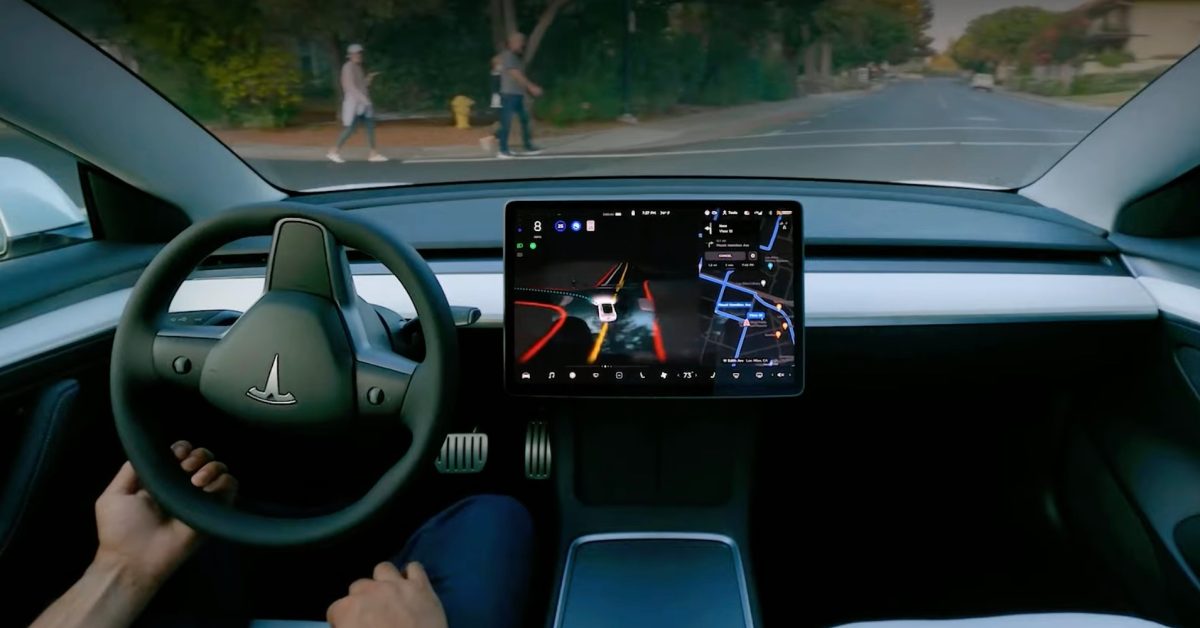
Tesla’s “Full Self-Driving” (Supervised) driver assistance software is now rolling out in Lithuania, making it the second European country to allow the system on public roads.
The Lithuanian Transport Safety Administration confirmed it has recognized the Dutch RDW certification that first approved FSD in Europe last month.
The expansion comes just over five weeks after the Netherlands became the first European country to approve Tesla’s FSD (Supervised) on April 10, following more than 18 months of testing by the Dutch vehicle authority RDW. The RDW approved the system under UN Regulation 171, the EU standard governing Driver Control Assistance Systems — a category of Level 2 vehicle automation.
Lithuania’s adoption followed a mutual recognition process rather than its own independent testing program. Under EU rules, member states can recognize another country’s type approval and allow the certified system to be deployed on their roads. That is exactly what Lithuania did, bypassing the lengthy testing period that the RDW conducted. Advertisement - scroll for more content
More European countries are lining up
Lithuania’s recognition may have come as a surprise. Belgium was widely expected to be the first country to follow the Netherlands, as the Flanders region had already authorized Tesla to begin testing FSD on public roads with at least one vehicle. That testing process is still ongoing.
Greece also signaled it is moving toward approval. According to Reuters, the Greek transport ministry said on Wednesday that it has an upcoming bill granting the same type of approval as the Dutch — which would make Greece the third European country to permit FSD.
Meanwhile, Ireland’s Department of Transport confirmed on May 10 that Tesla is actively engaging with Irish national authorities, including the National Standards Authority of Ireland (NSAI), to secure FSD approval.
EU-wide approval faces hurdles
The country-by-country approach is the faster path for Tesla right now, but the bigger prize remains EU-wide acceptance. The Dutch RDW is seeking formal recognition across the entire bloc through the European Commission’s Technical Committee on Motor Vehicles (TCMV).
That process has not been smooth. As we reported earlier this month, emails obtained by Reuters revealed significant skepticism from European regulators — particularly in Scandinavian countries. Officials in Sweden, Finland, Denmark, and Norway raised concerns about FSD’s tendency to exceed speed limits and its performance on icy roads. A Swedish Transport Agency investigator was reportedly surprised to learn that the system allows speeding at all.
For EU-wide approval, 55% of member states representing 65% of the bloc’s population must vote yes. No vote has been scheduled yet — the next TCMV meetings are expected in July and October, which means Tesla’s stated goal of EU-wide availability by summer 2026 is looking increasingly ambitious.
Electrek’s Take
Lithuania recognizing the Dutch FSD approval is a positive step for Tesla’s European expansion, but let’s keep things in perspective. This is still a mutual recognition of an existing approval — Lithuania did not independently test or validate FSD on its roads.
The real story here is the emerging two-track race for European FSD adoption. On one track, individual countries are recognizing the Dutch approval one at a time, which gets Tesla on the road in more places but creates a patchwork of availability. On the other track, the EU-wide TCMV vote could unlock the entire bloc at once — but that faces real resistance from regulators who have legitimate concerns about speeding behavior and winter driving performance.
Greece’s announcement of an upcoming approval bill is potentially more significant than Lithuania’s adoption, as it shows political momentum building rather than just bureaucratic recognition. If Belgium, Greece, and a few others follow suit before the TCMV votes, Tesla could have FSD running in a half-dozen European countries by fall — even without the formal EU-wide stamp of approval.
If you’re an EV, charging at home with solar is one of the smartest ways to reduce your driving costs. With electricity rates climbing nearly 10% last year, home solar protects you against future rate increases. And with lease and PPA options, you can go solar with zero upfront cost and start saving immediately. If you want to find the best deal, check out EnergySage. It’s a free service with hundreds of pre-vetted installers competing for your business, so you save 20 to 30% compared to going it alone. No sales calls until you pick an installer. Get your free quotes here.
FTC: We use income earning auto affiliate links. More.