Lonely Planet Founder Hails Orkney Islands as Scotland's Pompeii
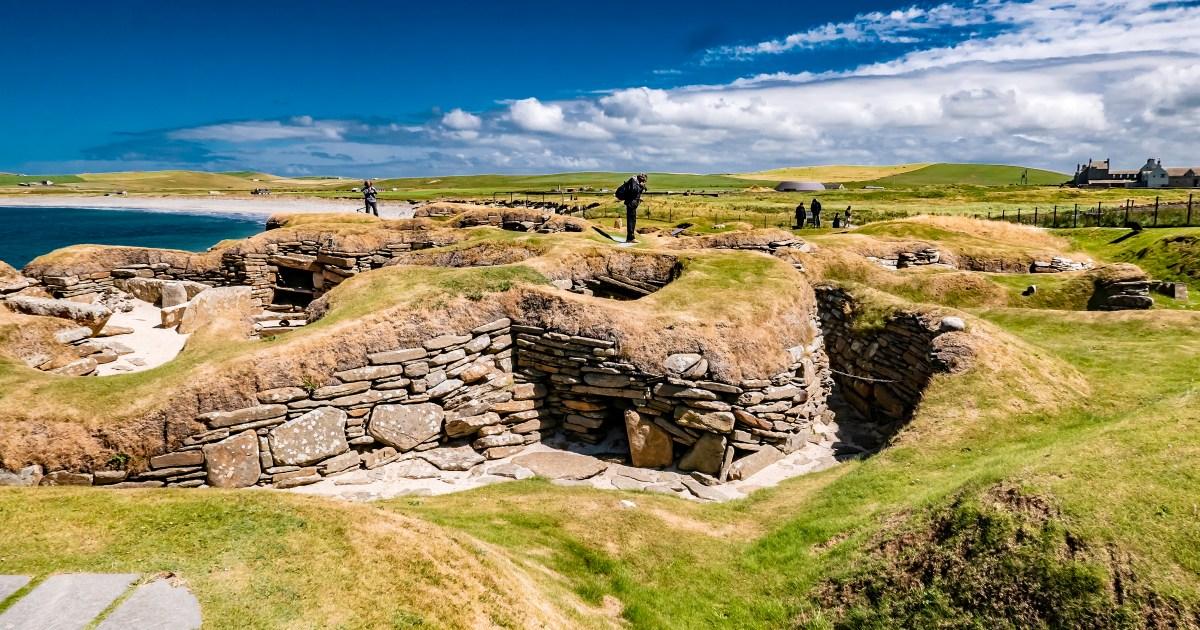
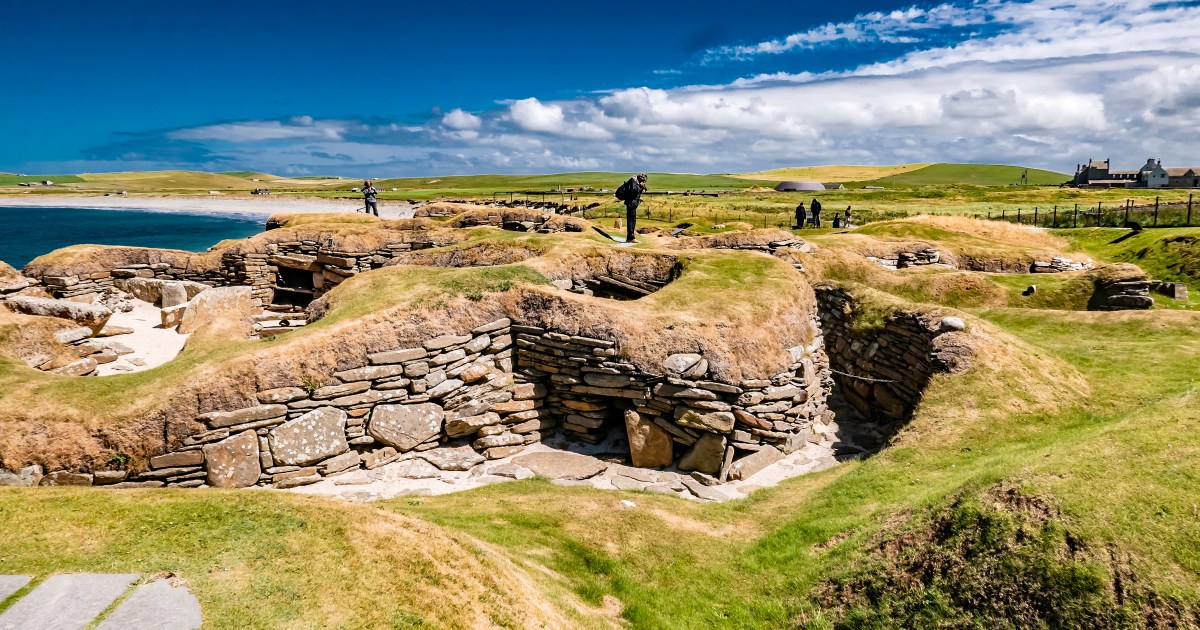
Tony Wheeler, the visionary co-founder of the globally ubiquitous Lonely Planet travel empire, recently traversed the rugged expanses of northern Scotland to experience the Orkney Islands. Navigating via the iconic Caledonian Sleeper train to Edinburgh, and onward through Inverness to the port of Scrabster, Wheeler sought out a destination he admits he had been meaning to visit for decades.At the center of his journey lies Skara Brae, an astonishingly preserved Neolithic settlement widely recognized as the Scottish Pompeii. The endorsement of a travel pioneer who has evaluated virtually every corner of the globe elevates Orkney from a regional curiosity to a mandatory pilgrimage for historians and travelers alike. What is at stake is the ongoing preservation and economic utilization of prehistoric sites facing the dual threats of climate change and over-tourism.The Enduring Enigma of Skara BraeDesignated as a UNESCO World Heritage Site in 1999, the Heart of Neolithic Orkney encompasses four primary monuments that date back more than 5,000 years, significantly predating both Stonehenge and the Egyptian Pyramids. Skara Brae remains its crown jewel. Discovered in 1850 after a severe winter storm stripped away centuries of coastal sand, the village consists of eight clustered houses connected by low, covered passages.The meticulous state of preservation offers an unparalleled window into late Stone Age life. The stone furniture—including dressers, beds, and hearths—remains precisely where its inhabitants abandoned it millennia ago. Wheeler observed the suddenness of the village's abandonment, noting that the architectural uniformity and the mysterious, abrupt departure of its residents evoke the frozen-in-time tragedy of Pompeii. Archaeologists continuously debate whether climatic shifts, societal collapse, or a catastrophic natural event triggered the exodus.The Economics of Heritage TourismThe influx of global travelers drawn by high-profile endorsements presents a complex economic equation for the Orkney archipelago, which consists of approximately 70 islands scattered off Scotland's northern coast. While tourism injects vital capital into the local economy, supporting maritime transport and hospitality sectors, it simultaneously strains the fragile infrastructure of the rural communities.The Caledonian Sleeper train, heavily featured in Wheeler's itinerary, exemplifies the push for sustainable, slow travel. However, local authorities constantly balance the promotion of their Viking and Neolithic heritage with stringent conservation mandates. The foot traffic of hundreds of thousands of annual visitors accelerates the physical degradation of ancient stone pathways, forcing organizations like Historic Environment Scotland to implement rigorous access controls.Skara Brae was continuously occupied from roughly 3180 BC to about 2500 BC.The site accommodates an estimated 110,000 global visitors annually during peak operational years.Local tourism contributes over £50 million (approximately KES 8.5 billion) to the Orkney economy each year.Coastal erosion, exacerbated by rising global sea levels, actively threatens the physical foundation of the Skara Brae site.Connecting Heritage from Scotland to East AfricaThe struggle to preserve prehistoric heritage on a receding coastline resonates profoundly far beyond the North Sea. For audiences in Nairobi and across East Africa, the plight of Skara Brae mirrors the urgent conservation efforts at the Gedi Ruins on the Kenyan coast and the prehistoric sites along the shores of Lake Turkana. Both regions harbor critical chapters of human history that are currently besieged by shifting climate patterns.African archaeologists and historians consistently monitor European preservation techniques, looking for innovative strategies to protect fragile masonry from elemental destruction. The economic parallels are equally striking. Just as Orkney relies on the global fascination with its Neolithic past to sustain its modern population, Kenyan coastal communities depend on the historical allure of Swahili architecture to drive international tourism revenues. The universal challenge remains: how to monetize history without destroying the evidence.The Future of Slow TravelWheeler's methodology of reaching the islands—enduring delays, navigating multiple regional rail connections, and crossing the tempestuous Pentland Firth by ferry—underscores a growing rebellion against hyper-fast, checklist tourism. His journey advocates for an immersive travel philosophy where the geographical isolation of a destination is treated as an asset rather than an inconvenience.As global travelers increasingly seek out destinations that offer profound historical context and stark natural beauty, the Orkney Islands stand uniquely positioned to capitalize on the trend. Yet, the very elements that make the archipelago captivating—its wild coastal storms and unfettered landscapes—are the same forces relentlessly eroding its most precious archaeological treasures.The preservation of Skara Brae is not merely a localized Scottish concern; it represents humanity's broader obligation to protect the fragile physical record of our shared ancestry before the tides erase it forever.