UK removes HGV rules for larger electric vans
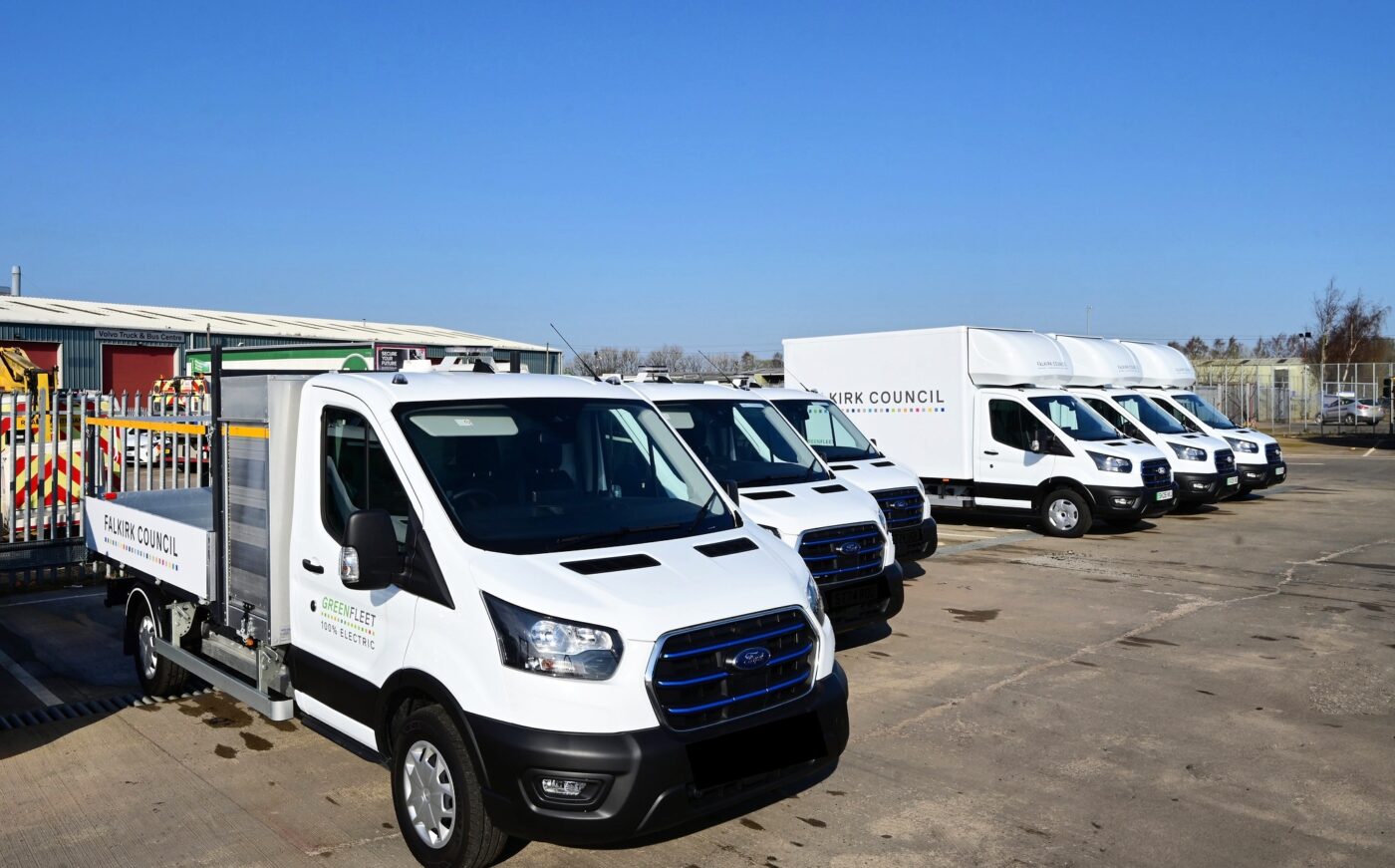
The regulatory changes follow years of lobbying by fleet and logistics organisations, which argued that battery-electric vans had been unfairly classified because of the additional weight of their battery packs. Although the vehicles are often comparable in size and application to conventional diesel vans, the extra battery mass pushed many models above the traditional 3.5-tonne threshold.Zero Emission Van Plan drives policy changesUnder the new rules, electric vans in this weight category will no longer be subject to heavy goods vehicle testing requirements. Instead, they will move into the Class 7 MOT regime used for conventional light commercial vehicles. New electric vans will also require their first MOT after three years rather than after one year, as has previously been the case under HGV regulations.The reforms also change driver hours rules for larger electric vans. Vehicles between 3.5 and 4.25 tonnes will move into the GB Drivers’ Hours framework, removing the obligation to use tachographs and ending the existing restrictions on operating distance from base.The changes were a core demand of the Zero Emission Van Plan, a BVRLA-led initiative launched in February 2024 together with Logistics UK, Recharge UK, the Association of Fleet Professionals and The EV Café.The coalition called for a broader package of measures to support electric van adoption, including the extension of the Plug-in Van Grant, depot charging support, guidance for local authorities on charging infrastructure and cross-pavement charging solutions, removal of additional training requirements for heavier electric vans and permission for larger electric vans to tow.Industry groups welcome regulatory alignmentThe Department for Transport said the revised regulations would reduce administrative complexity and improve vehicle availability while maintaining road safety standards. According to the government, operators could save up to 60 per cent on MOT costs compared to the current heavy vehicle testing regime.Aviation, Maritime and Decarbonisation Minister Keir Mather said the reforms were designed to support both fleet decarbonisation and business growth. “As well as saving up to £5,000 off the cost of a new electric van [through the Plug-in Van Grant and Plug-in Truck Grant], businesses will now no longer face unnecessary red tape when they make the switch, cutting costs, reducing bureaucracy and driving growth up and down the country,” Mather said.Industry groups welcomed the announcement, describing it as a significant step towards removing operational barriers for electric commercial vehicles.“The new regulations correct the nonsensical situation that saw standard-size electric vans treated as HGVs when it came to MOTs, driver hours requirements and mandatory tachograph use, unless they were operated under tight geographical restrictions,” emphasised Logistics UK Chief Executive Ben Fletcher. “It is only the extra weight from the batteries that moved electric vans into the same category as HGVs, and this has limited the adoption of cleaner electric vehicles by creating cost and complexity for operators looking to decarbonise their fleets.”“Following extensive collaboration between government and industry, these changes remove major operational hurdles for fleets and unlock a critical part of the UK’s transition to zero-emission road transport,” said Toby Poston, Chief Executive of the British Vehicle Rental and Leasing Association (BVRLA).Fleet service providers also expect the reforms to improve the total cost of ownership proposition for electric vans by reducing downtime and simplifying maintenance scheduling. Under the previous regime, heavier electric vans often had to use dedicated authorised testing facilities rather than standard MOT centres, creating additional logistical challenges for operators.leetpoint.org, bvrla.co.uk, fleetworld.co.uk