Canary Islands, Italy and France all named in 2026 'no travel' list
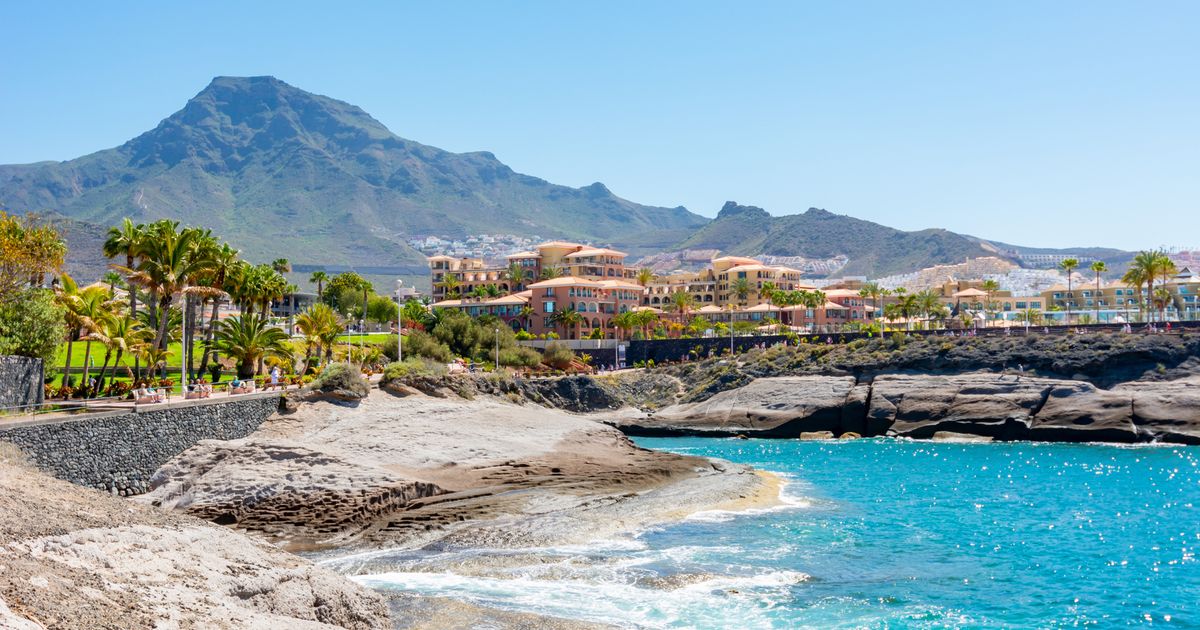
Multiple tourist hotspots for Brits have been put on a "no travel list" for 2026 as concerns rise over the effects of mass tourism. Travel guide Fodor has revealed its no-travel list for 2026, warning that "tourism is placing unsustainable pressures on the land and local communities."The publisher's annual "No List" has pinpointed eight destinations where a surge in visitor numbers is causing serious issues for local residents, infrastructure, and the natural environment.The publication made clear that the list is not intended to put people off travelling entirely, but rather to encourage more responsible tourism and prevent visitors from contributing to unsustainable pressures.This year's entries include the Canary Islands, along with a number of Italian and French destinations struggling with over tourism, Yorkshire Live reports.Fodor stated: "We say it year after year-the No List is not a call for boycott. Its purpose is to highlight destinations where tourism is placing unsustainable pressures on the land and local communities."Long time readers of this annual list may notice a few spots missing this year-Venice or Barcelona, for instance (you can read about their ongoing struggles in last year's list)."These destinations haven't been magically cured-they're still mired in challenges-but the usual suspects too often pull focus from other hotspots in need of a break."Still, the key issues highlighted on the No List-the overtouristed sites, the fragile ecosystems, the communities struggling to stay afloat-are faced by just about any destination that prioritizes tourism above all else."The No List serves a gentle but pointed nudge to ease up on a spot for now-not forever-and give a rest to any location that clearly needs a breather."Isola Sacra, located in Italy's Lazio region south of Rome, was included on the list due to plans for a large new cruise terminal, which have prompted resistance from campaigners and residents.Critics have argued that the development could damage sensitive coastal environments, worsen pollution problems, and bring overwhelming numbers of cruise ship visitors to an area already experiencing pressure.Paris' famous Montmartre district was featured because of the impact of excessive tourist footfall and rising property prices linked to the tourism sector.Around 11 million visitors flock to Montmartre each year, with residents complaining that the area is increasingly dominated by souvenir shops, packed cafés, and short-term rentals, transforming the neighbourhood's character and forcing out permanent residents.