Renewable energy wasted last year highest since records began, new report shows
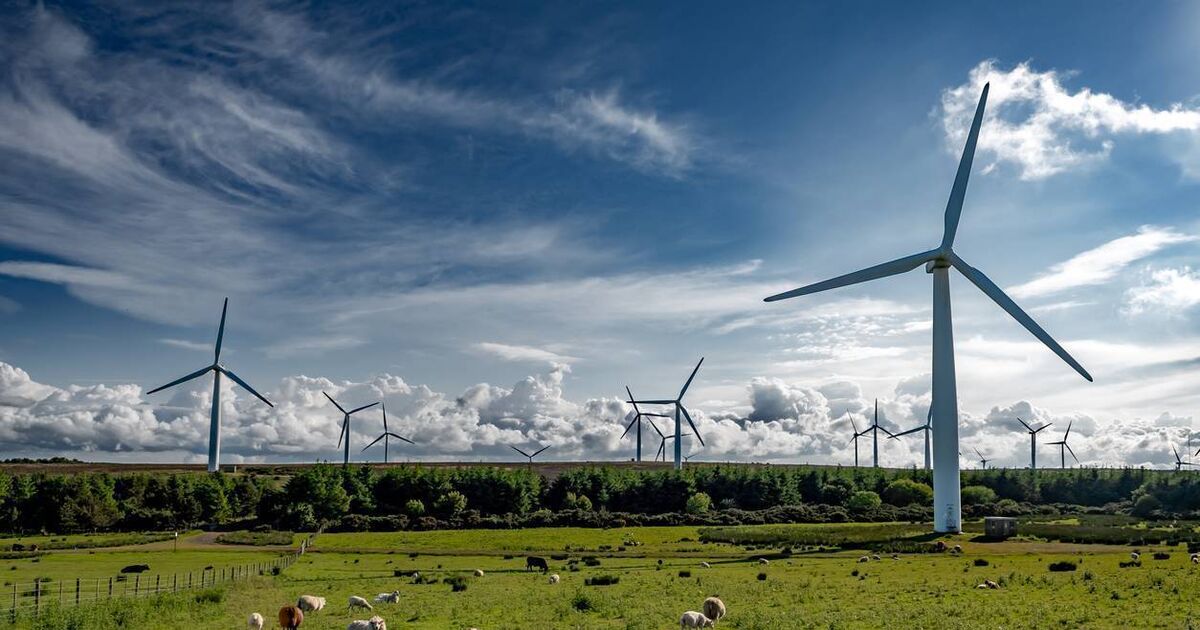
Ireland’s electricity system is failing to keep pace with the energy transition, with the amount of renewable electricity wasted last year the highest since records began, a key body has warned.In its latest sectoral review, the Climate Change Advisory Council said ongoing instability in global energy markets was continuing to expose Ireland to the volatility of fossil fuel prices and supply risks.However, electricity emissions also fell last year, as the national grid became coal-free in June 2025.“We know renewable energy helps to reduce wholesale electricity prices, but Irish households and businesses will not feel the full benefit unless we build the grid, storage and capacity needed to use that power,” the council’s chair, and former Labour TD Alex White said.
Every year of delay leaves Ireland more exposed to imported fossil fuels, volatile global markets and avoidable costs.
Its report on electricity emissions suggests these fell in Ireland for the third consecutive year, down 8.9% in 2025, but there was a significant increase in the amount of electricity being imported.However, only 0.6 gigawatt of new solar capacity and 0.2GW of new wind capacity were added in 2025. This is “far less” than the 2GW that needs to be added each year until 2030 to hit the country’s .Furthermore, the Climate Change Advisory Council said 2025 saw the failure of multiple targets of the country’s climate action plan, including onshore wind, solar, dispatch-down and renewable electricity share of demand.In terms of dispatch-down, it said this resulted in “approximately 10%, or €523m, in surplus wind energy wasted that could have otherwise been effectively utilised to deliver cleaner, cheaper electricity to Irish homes and businesses”.It recommended the Government take urgent action to accelerate the delivery of renewables, while also prioritising electricity grid reinforcement projects to ensure such energy generated is not wasted.The threat of severe weather is also highlighted, with Storm Éowyn wreaking havoc in January 2025, leaving hundreds of thousands without power. It said electricity resilience must form a core part of how we adapt to a changing climate so we can withstand future weather events like this.Mr White added: “Electricity resilience must be central to national climate adaptation planning, with clear responsibility, investment and delivery. “The Government has set the right ambition to end Ireland’s reliance on fossil fuels. The test now is delivery. Critical grid projects must be prioritised, renewable planning must be accelerated, and the benefits of clean electricity must reach Irish households and business to ensure energy security and affordability for all.”