Woman wanted for 22 years over assault arrested in live facial recognition trial
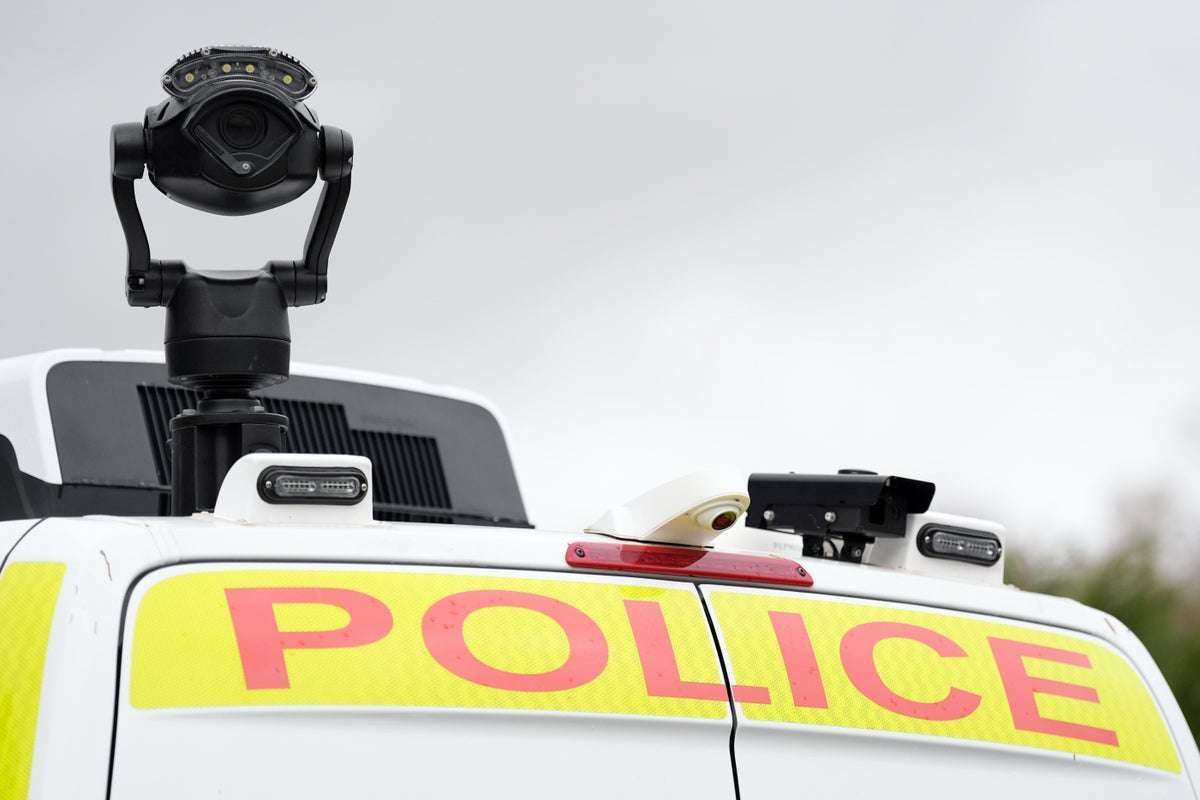
For free real time breaking news alerts sent straight to your inbox sign up to our breaking news emailsSign up to our free breaking news emailsSign up to our free breaking news emailsA woman sought by authorities for over two decades has been apprehended during a six-month live facial recognition trial in south London. The pilot scheme in Croydon led to 173 arrests for serious offences, including kidnap, rape, and sexual assault, marking the first use of static cameras instead of vans. The Metropolitan Police reported a 10.5% reduction in local crime during the trial, which ran from October 2025 to March 2026, alongside a 21% decrease in violence against women and girls. Among the 24 operations utilising static cameras on Croydon High Street, a 36-year-old woman was arrested on a warrant for failing to appear in court for a 2004 assault.A 31-year-old man who was wanted for voyeurism for more than six months was also arrested, as well as a 41-year-old man who was wanted for a rape in November in Croydon.A camera on top of a Live Facial Recognition (LFR) van. (Danny Lawson/PA Wire)Lindsey Chiswick, national and Met lead for live facial recognition, said: “These results show why live facial recognition is such a powerful tool when it’s used carefully, openly and in the right places.“Crime in this area is down by more than 10%, and the public can see the difference.“This technology is helping us find people wanted by the courts, identify serious offenders quickly and focus our resources where they make the biggest impact, all with exceptional accuracy.“We will continue using static cameras in Croydon as part of our regular live facial recognition deployments which play a vital part in keeping London safe.”More than 470,000 people walked past the camera during the pilot, which saw one false alert for which the person was spoken to by officers and then allowed to leave.A High Court challenge against the Metropolitan Police's use of live facial recognition (LFR) technology in London was dismissed last month.Youth worker Shaun Thompson, who was previously misidentified by the system, and Silkie Carlo of campaign group Big Brother Watch, spearheaded the legal action.They voiced concerns that LFR could be used arbitrarily or in a discriminatory manner across the capital.Lawyers representing the pair argued in court earlier this year that facial recognition data is "similar to a DNA profile," warning that proposed permanent installations would render it "impossible" for Londoners to move freely without their biometric data being routinely captured and processed.Scotland Yard defended the legal challenge, telling the court in London that the policy was lawful.Lord Justice Holgate and Mrs Justice Farbey said in a judgment on Tuesday: “In the context of promoting law and order in a large metropolis, the policy provides the claimants with an adequate indication of the circumstances in which LFR will be used and enables them to foresee, to a degree that is reasonable in the circumstances, the consequences of travelling in an area of London where LFR is in use.”The judges also said that Mr Thompson and Ms Carlo’s human rights “have not been breached”.