How I REVERSED my high cholesterol with a single breakfast swap. Now I don't need to take statins any more thanks to this simple daily recipe
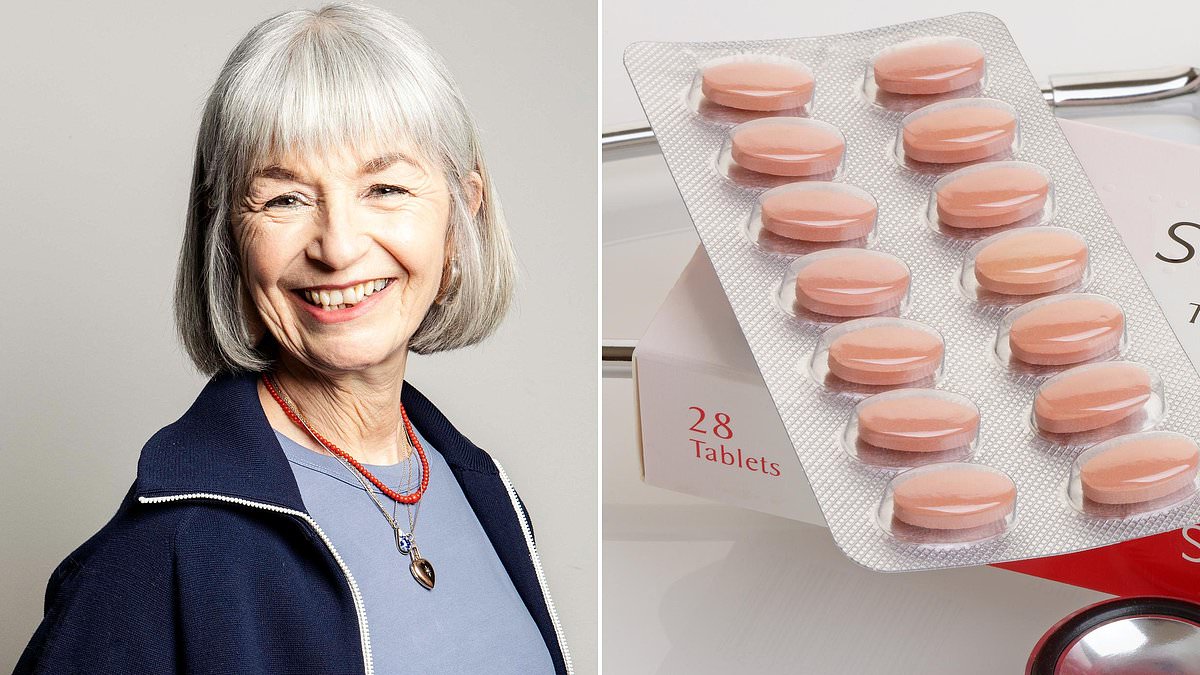
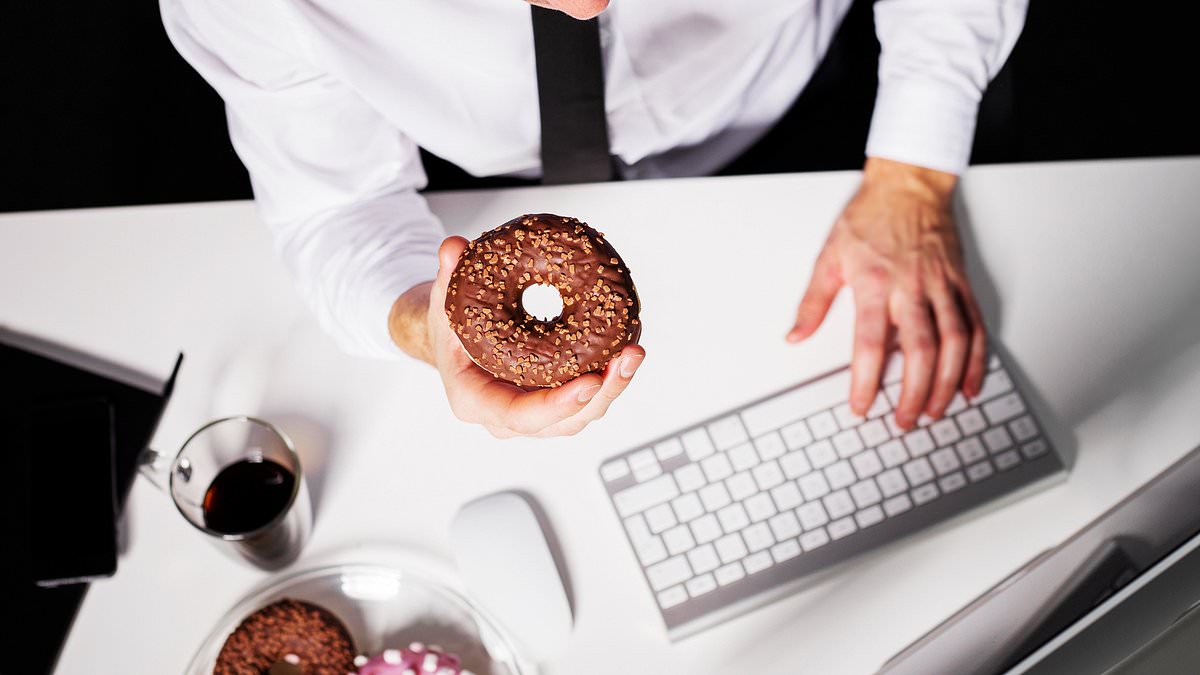
When a recent blood test revealed that my cholesterol was raised, I was taken aback. What, me? I’m a gym bunny, a slim three-times-a-week yoga fan, who feasts on avocado daily as part of my Mediterranean diet. Cholesterol is for people who live on fry-ups. Isn’t it?In fact, I discovered that most people’s cholesterol goes up in their 50s – even if, like me, they have a healthy lifestyle.At 69, I am right in the danger zone. So what can we do about it?Soon after receiving my test results (my total cholesterol was 5.4mmol/l – the recommended limit is 5mmol/l), the pharmacist phones to suggest that I should start taking statins.About eight million Brits take these to reduce cholesterol and they are one of the NHS’s most commonly prescribed drugs.But I didn’t fancy the idea of being on daily medication for life if I didn’t need to. I wondered if there might be another way.Astonishingly, all it took was a tweak to one meal a day – which does make me ask, could some of those who are on statins get their cholesterol down in other ways?I wanted to understand more about why my cholesterol was raised in the first place. I discovered that most people’s cholesterol goes up in their 50s – even if, like me, they have a healthy lifestyle, writes Gaby Koppel When a recent blood test revealed that my cholesterol was raised, I was taken abackThe fact is, says Dr Roy Jogiya, a consultant cardiologist at Kingston and Richmond Hospital NHS Trust and the Cleveland Clinic London, it is now known that as early as in our 20s or 30s the liver can start becoming less efficient at clearing LDL cholesterol from the blood – that’s the bad kind which clogs arteries.Eventually, ‘cholesterol-rich plaque can build up in the artery wall, become unstable and rupture’, adds Dr Jogiya, who is also chief medical adviser for the charity Heart Research UK.If clots break off and block a blood vessel, they can cause heart attacks and strokes.For women, the situation is even more bleak, he adds. When they go through the menopause, they lose the protection of the hormone oestrogen, which helps to moderate levels of LDL cholesterol by raising levels of the more beneficial HDL cholesterol. This escorts excess LDL out of the body.In fact, Dr Jogiya tells me that women are twice as likely to die from a heart attack as breast cancer, which I find shocking.Age and medical history do add considerably to my risk. I carry the breast cancer gene BRCA2 and I had my ovaries removed more than 20 years ago, pushing me into an early menopause.Statins lower ‘bad’ cholesterol by inhibiting an enzyme in the liver called HMG-CoA reductase, which is essential for producing cholesterol. ‘For the right person, statins can be genuinely life-saving,’ says Dr Jogiya.I wasn’t convinced that I was the right person – as my risk of having a heart attack in the next ten years was calculated to be a ‘moderate’ 15.4 per cent. After a discussion with the pharmacist, we agree that I would start by tweaking my lifestyle and, as I already exercised at least three times a week and don’t smoke, that meant looking at my diet.I browsed the supermarket chiller cabinet. There is a section filled with drinks and spreads that claim to bring down cholesterol. Products that contain plant-derived stanols or sterols – cholesterol-like compounds that block the absorption of LDL cholesterol, so that it is carried out of the body as waste instead.A study, in the British Journal of Nutrition in 2014, found that consuming about 2-3g of sterols a day can cut cholesterol by 6-12 per cent in four weeks.I buy some own-brand drinks and start taking them daily. But they taste awful, with an overpowering tang of artificial sweetener, and consuming ultra-processed foods seems to be at odds with the aim of improving my health. After a fortnight, I give up.Still worried about my cholesterol, a month later I come across some research on oats.In a small experiment at a German university, reported in January in the journal Nature Communications, participants who ate nothing but oats for 48 hours experienced a drop in their ‘bad’ cholesterol by 10 per cent.Mine is a worrying 2.9mmol/l – Dr Jogiya recommends that, ideally, it should be less than 2mmol/l. (My ‘good’ HDL cholesterol is a healthy 2.2.)The cholesterol-lowering properties of oats are due to a type of fibre called beta-glucan – it forms a viscous gel in the intestines, trapping the ‘bad’ cholesterol and removing it from the body.As I can’t face an oats-only diet, I try a gentler approach. I soak oats overnight in water and add a tablespoon of soaked chia seeds (also cholesterol-lowering), milled linseeds (ditto), toasted sunflower seeds, fresh fruit and a couple of tablespoons of full-fat Greek yoghurt.Fermented dairy foods, such as yoghurt, do not necessarily raise blood cholesterol even if they are high in fat because the fermentation process changes how the body processes them, explains Sarah Berry, a professor of nutritional science at King’s College London. I soak oats overnight in water and add a tablespoon of soaked chia seeds (also cholesterol-lowering), milled linseeds (ditto), toasted sunflower seeds, fresh fruit and a couple of tablespoons of full-fat Greek yoghurt Statins lower ‘bad’ cholesterol by inhibiting an enzyme in the liver called HMG-CoA reductase, which is essential for producing cholesterolMy creation is delicious and I happily swap it over for my usual boiled egg and toast. This is the only change I make – as I’ve always eaten plenty of fruit and vegetables and avoid processed foods anyway.So is my breakfast makeover enough to make a difference?A month after I start eating oats (and six months after my worrying reading), a new blood test shows my overall cholesterol has gone down from 5.4 to 4.9 – below the danger line.Better still, my LDL has dropped from 2.9 to 2.2; a reduction of more than 20 per cent.Cholesterol can change for all sorts of reasons, including what you ate in your most recent meal, but my change seems pretty decisive.Professor Berry, who is also chief scientist for nutrition company Zoe, smiles when I tell her my results. ‘I’m impressed,’ she says, ‘but not totally shocked.‘That’s what I would hope to see. And I always think we should take a one-meal first approach and think about what’s the easiest meal to change.’She adds: ‘For many people, this means their breakfast – or snacks. Snacking accounts in the UK for 25 per cent of our energy intake.‘It’s the other simplest single dietary strategy to improve your health, in my opinion.’But why is the NHS spending £100million a year on statins when a simple change of diet seems to do the job so effectively (at least for me)?Dr Jogiya says: ‘Lifestyle measures are always first and there’s no substitute for them.’ Although for those with very high cholesterol or who have heart disease, diabetes or an inherited risk of high cholesterol, statins should be considered earlier, he adds. This is because statins can, in some cases, lower cholesterol by 40 per cent or more.Diet cannot reduce cholesterol as far or as fast as statins can, he adds. ‘They are inexpensive and extremely effective – and one reason why deaths from cardiovascular disease have fallen by 68 per cent over the past 30 years.’Professor Berry, however, insists diet can be as just as effective as statins.‘Research shows that we can achieve extraordinary results just by changing what we eat,’ she says. ‘By adopting a diet high in fibre-rich fruit and vegetables, nuts, pulses and seeds, we can lower LDL cholesterol by amounts that rival some standard medications.’But she adds: ‘Often it’s easier for people to pop a pill than overhaul their diet, which is a shame.’And Professor Berry believes that everyone should adopt such changes – even if they don’t have raised cholesterol yet.I’m going to stick with the oats to see if I can get my cholesterol even lower. But I’ve discovered another surprising benefit of my new breakfast – I’ve lost 1.5kg in the six months since I was first tested, without any effort at all.Professor Berry thinks that may be because seeds can go straight through the digestive system without being absorbed, but also due to ‘the highly satiating effect of the healthy fats, protein and fats in the breakfast’.In other words, I’m more satisfied so less inclined to snack. Despite being a medically healthy weight, like many other women, I would love to be just a little lighter. So this is good news that gives me an extra spring in my step.