Recycling rates stagnate as waste volumes grow, leaving Ireland way off target
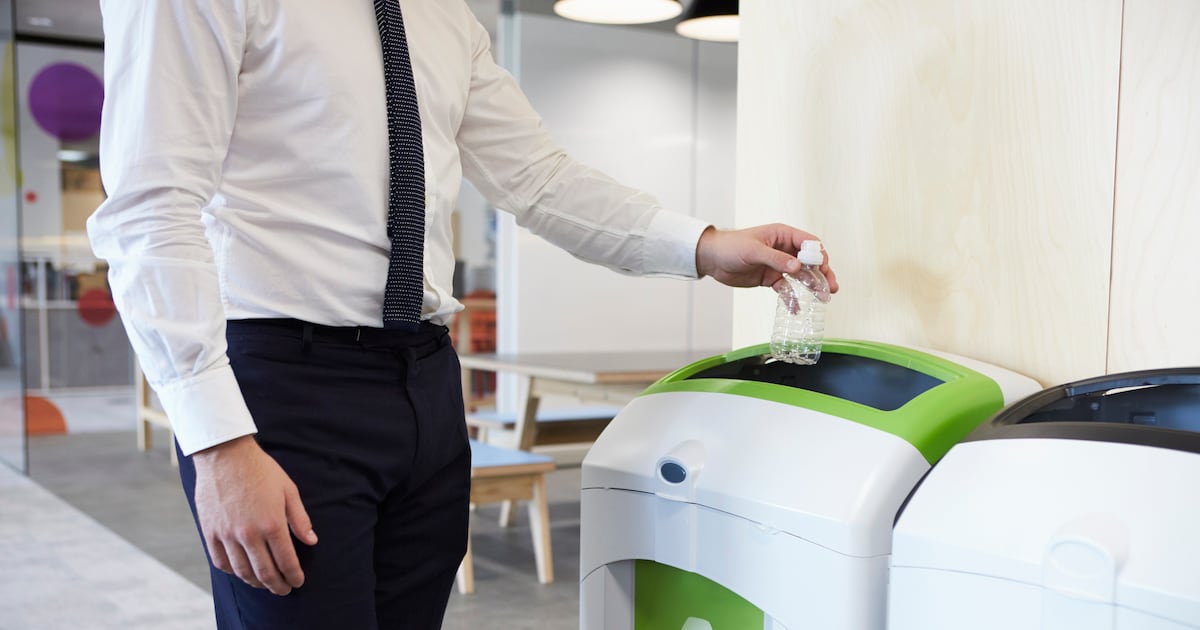
Ireland is recycling more but efforts are barely keeping pace with the extra waste the country is generating. It means the percentage of household and business waste recycled is flatlining at a time when it is meant to be steadily rising. The recycling rate has been stuck at 41-42 per cent for the last four years, according to latest figures from the Environmental Protection Agency (EPA). Under EU and national targets, it should have reached 55 per cent last year and must rise to at least 60 per cent in the next four years. READ MOREFine Gael, Independent Ireland and Labour in strongest contention for Galway West seat – pollBike shed in Kerry hospital costing €127,000 is ‘pure waste’, says Sinn Féin TDHantavirus: Countries track passengers who disembarked cruise ship where five cases confirmedGerry Hutch rejects racism accusation: ‘I have friends – Indians, blacks, whites’The country would need to recycle an additional 500,000 tonnes of bin contents to achieve that target. Recycling rates specifically for packaging waste – mainly plastic and cardboard containers and wrapping – are better and have crept up from 60 per cent to 62 per cent. But the target was 65 per cent last year and is 70 per cent within the next four years. The EPA said those targets will not be reached without more intensive efforts to simultaneously increase recycling and reduce waste generation in the first place. “While recycling rates for packaging are improving, these gains are eroded by continued growth in waste generation,” said David Flynn, director of the EPA’s office of environmental sustainability. The EPA forecasts that 3.2 million tonnes of municipal waste will be created this year – a 2.4 per cent increase over the last four years. “The forecasts indicate that waste generation is expected to continue,” it says, leading to “significant challenges” in meeting targets. “Recycling rates for municipal wastes are forecast to remain largely stagnant and lag behind the EU average.”Waste that is not recycled must be incinerated, landfilled or exported abroad – unsatisfactory solutions from financial and environmental perspectives. Contributing to the problem is the growing population and economy, as well as the increase in online shopping with associated extra packaging. There are also failures at household, business and industrial level to get the basics right, however. Food waste is a big problem, exacerbated by the failure of many commercial premises to use organic waste or brown bins or to use them correctly.There is also a continuing shortage of brown-bin options for apartment dwellers. That is despite a legal obligation on waste collectors to provide brown bins for all customers. The EPA is also concerned about the low appetite among producers, suppliers and retailers for switching to reusable and refillable containers. Heavy use of plastic packaging for fruit and vegetables is also a persistent problem, whereas other EU member states have reverted more readily to selling loose produce.Minister for the Environment Darragh O’Brien earlier this year published an updated Whole of Government Circular Economy Strategy aimed at controlling waste volumes and boosting recycling rates. It includes a target of cutting food waste by 50 per cent and packaging waste by 5 per cent by 2030.The EPA’s Flynn acknowledged the strategy but said: “The priority now is to implement policy measures.”