HSE issues urgent Lyme disease warning as ticks found 'everywhere in Ireland' this summer
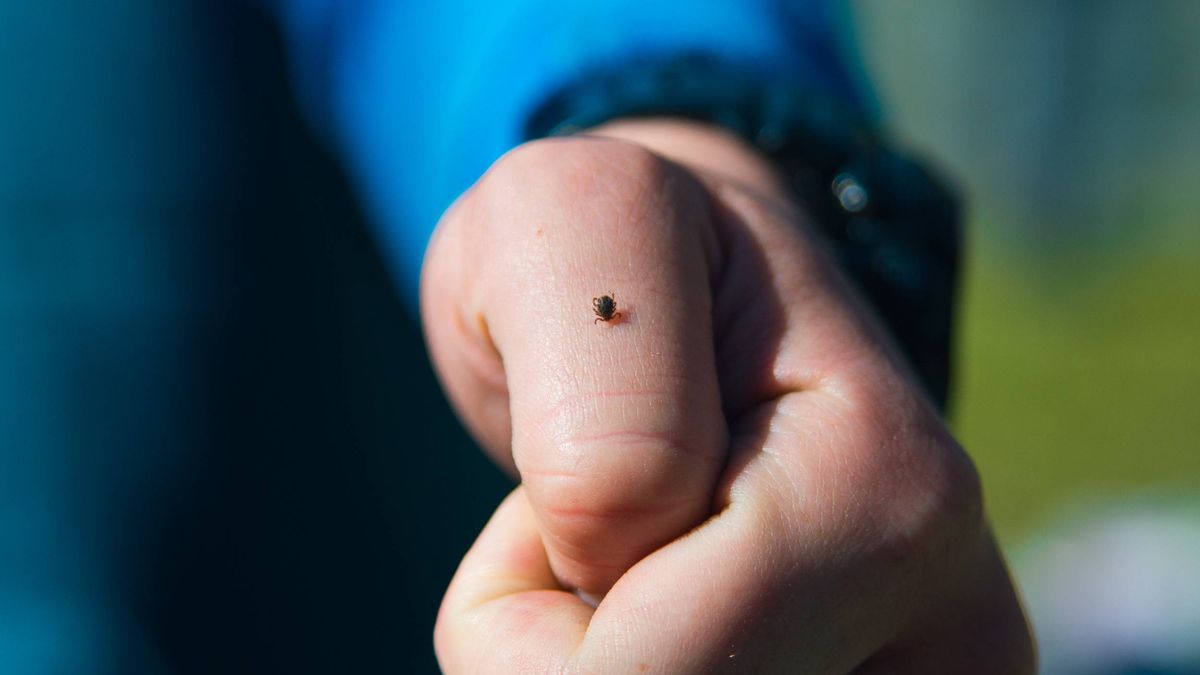
With Ireland savouring an early glimpse of summer, people will be venturing outside to enjoy the improved weather.However, health authorities are cautioning about a concealed danger that may be hiding in the grass. The HSE Health Protection Surveillance Centre (HPSC) has released a new warning regarding ticks, emphasising that they are "everywhere in Ireland" and become "more numerous and more active" throughout the summer months.These minuscule, spider-like organisms flourish in grassy and forested environments and can be discovered in both city and countryside locations. Consequently, people are being encouraged to remain alert when spending time in forests, parks and heathland areas.Ticks consume the blood of humans, animals and birds, and their behaviour typically intensifies from April onwards - rendering this the period of year when the threat of Lyme disease is greatest.Lyme disease is a bacterial infection that can be passed on through a tick bite. While numerous cases of Lyme disease are mild, in a small number of cases the infection can be more severe, leading to serious nervous system, heart and joint disease, reports the Irish Mirror.One of the most identifiable indicators of Lyme disease is a characteristic "bullseye" rash that usually emerges in the area surrounding the tick bite. The HPSC outlined: "Ticks will bite adult humans most commonly on the legs and arms. But they can bite any part of the body, especially warm and sweaty parts of the body not covered by clothing. In children, ticks are most likely to bite around the head and neck. These are the areas to cover up and protect. These are also the areas to check following time spent outdoors. You can check yourself and your children during the day."Health officials are urging the public to follow these straightforward safety measures while enjoying the outdoors this summer:Should you discover a tick, remove it immediately using tweezers, grasping it as close to the skin as possible. The HPSC noted: "A minority of ticks can carry Lyme disease. If a tick is removed within the first few hours, the risk of infection is very low."The entire tick, including its mouthparts which might break off, should be removed with tweezers by gripping it close to the skin. The skin where the tick was found should then be washed with soap and water and the area checked over the next few weeks for swelling or redness."Those who notice a rash or experience other symptoms following a bite should get in touch with their GP, as antibiotic treatment can effectively tackle the infection.To mark Tick Awareness Day today, Wednesday, 6 May, the HPSC said it "is offering practical advice on how to protect against ticks, whose bite can cause a bacterial infection called Lyme disease". It added: "People are more likely to spend time outdoors in the spring and summer months. Anyone who spends time outdoors should protect themselves against tick bites. This includes ramblers, campers, mountain bikers, people who work or walk in woodland, parkland and heathland, especially in grassy areas. Preventing tick bites prevents Lyme disease."Ticks can be found throughout Ireland, in both urban and rural settings, and remain active from spring through to autumn. These minuscule spider-like organisms feed on the blood of humans, animals and birds, with their numbers and activity peaking during the warmer months."From April onwards is the time when we expect to see cases of Lyme disease most frequently in Ireland, because this is when ticks are most plentiful."Want to see more of the stories you love from Dublin Live? Making us your preferred source on Google means you’ll get more of our exclusives, top stories and must-read content straight away. To add Dublin Live as a preferred source, simply click here.Join our Dublin Live breaking news service on WhatsApp. Click this link to receive your daily dose of Dublin Live content.We also treat our community members to special offers, promotions, and adverts from us and our partners. If you don’t like our community, you can check out any time you like. If you’re curious, you can read our Privacy Notice .