Can An Active Fuel Management (AFM) Disabler Cause Engine Damage?
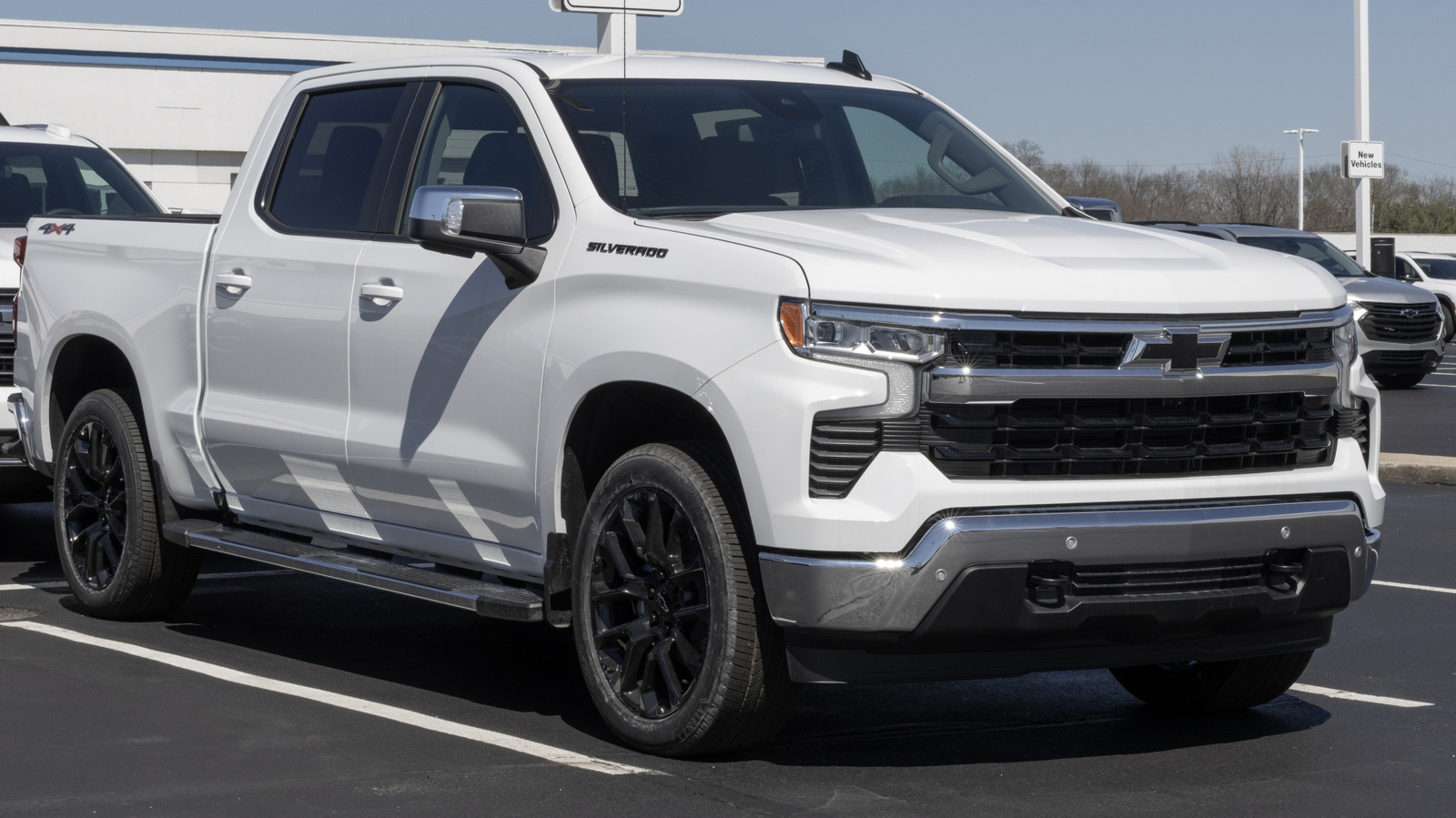
So, you're worried your Silverado or Sierra might run into Active Fuel Management (AFM) issues someday. But are they as bad as the internet would lead you to believe? Well, the short answer is yes.
Commonly found in many GM engines like the Vortec, AFM is essentially a fuel-saving cylinder-deactivation system, though it's often perceived as a flawed piece of tech. Ford calls it Variable Displacement Engine (VDE), while Ram markets the technology as its Multi-Displacement System (MDS). AFM is also called Displacement On Demand (DOD), with General Motors upgrading (while also renaming) the cylinder deactivation tech to DFM or Dynamic Fuel Management in certain later engines. There are disablers available for AFM and DFM engines, but they are different systems. Introduced in 2019, DFM equips the lifter mechanism (which prevents the intake and exhaust valves from opening) on all cylinders, while AFM limits deactivation lifters to a select few. Although AFM/DOD was about cycling the engine strictly as either a four or eight-cylinder unit, DFM enables a variety of combinations, with up to 17 different cylinder patterns.
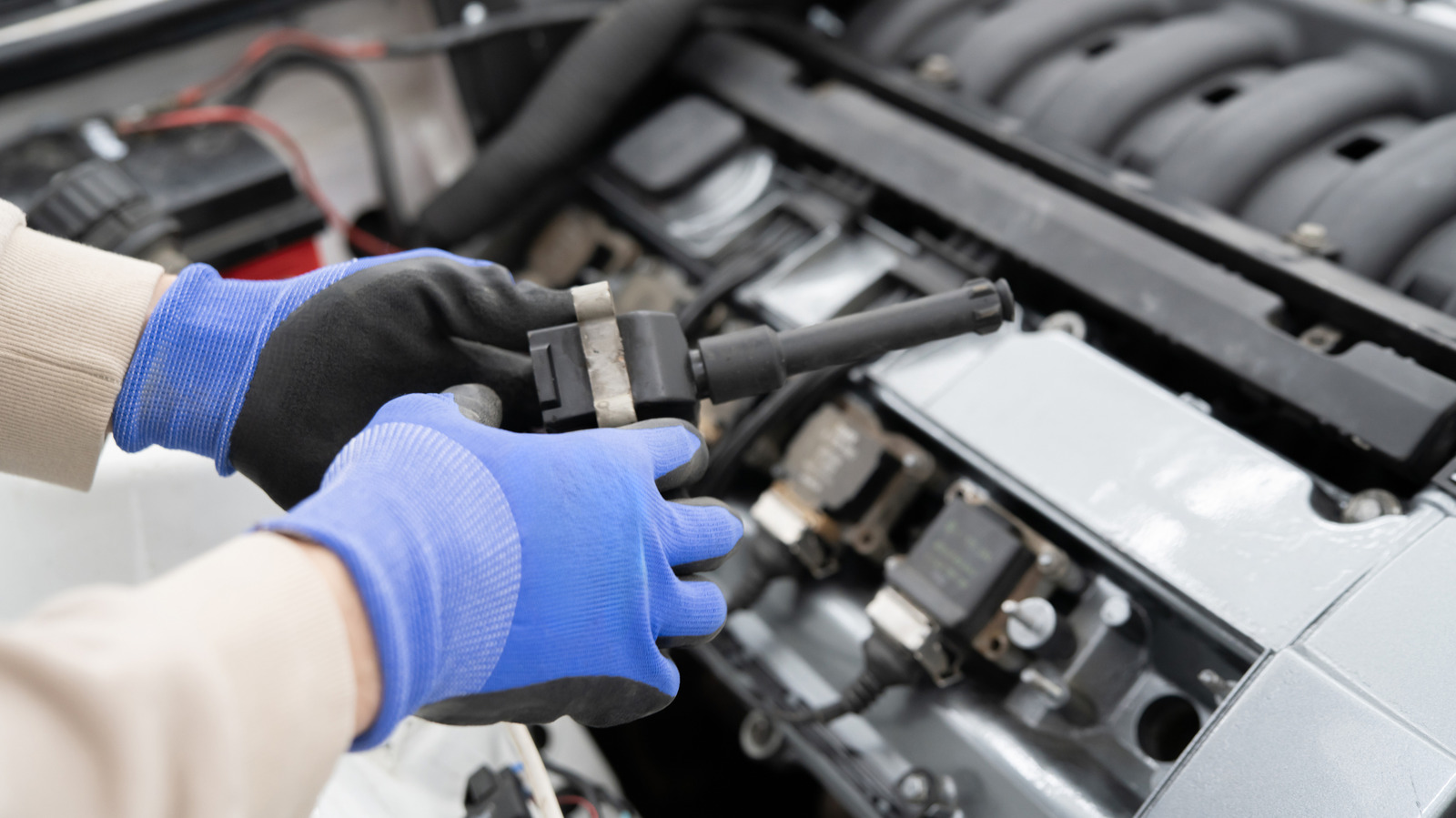
Disablers are plug-and-play items that restrict the truck's computer from entering the cylinder deactivation mode. And no, AFM/DFM disablers won't cause engine damage. On the contrary, they typically prevent many engine problems that arise from these deactivation systems, such as collapsed lifters, premature camshaft wear, excessive oil consumption, and so on. By using disablers, you're essentially de-stressing the lifters, which improves their longevity and overall engine reliability.
With an AFM disabler, you are going to take a fuel economy hit (on the highway, at least) — anywhere between 2 and 3 MPGs, depending on speed, elevation, and payload, among other things. Disabler compatibility is something else to keep in mind. Per a YouTube video from 8020 Automotive, it's important to check your make and model, as certain newer trucks have been known to use a different communications architecture. According to GM Authority, General Motors doubled down on the encryption with its Global B platform, making it difficult to communicate with the truck via its OBD port. However, disablers for those trucks are also available.
Disablers are known for parasitic drain, especially on trucks parked for a week or more. The warranty could also be a problem, although you may be able to work around it if you unplug the disabler before visiting the dealership for service. Plug-and-play disablers intercept the code but don't rewrite it, so they typically don't leave a footprint. Tuning is also worth considering, but it definitely will get picked up by the dealership, so that's bye-bye warranty. Another avenue is something called AFM delete, which is a whole lot more expensive, difficult, and time-consuming.
V8 engines with AFM include GM's 5.3-liter (Vortec 5300, LS4, and L83), the 6.2-liter (L99 and L86), and the 4.2-liter twin-turbo LTA. V6 engines like the 3.0-liter LGW, 3.6-liter LGX, and 3.9-liter LZ8 are also part of the lineup. DFM, however, is limited to the 5.3-liter L84 and 6.2-liter L87 V8s. And no, reports of General Motors removing DFM from its 2026 trucks are not true.