Metro Vancouver is running out of drinking water — and the solutions are interesting
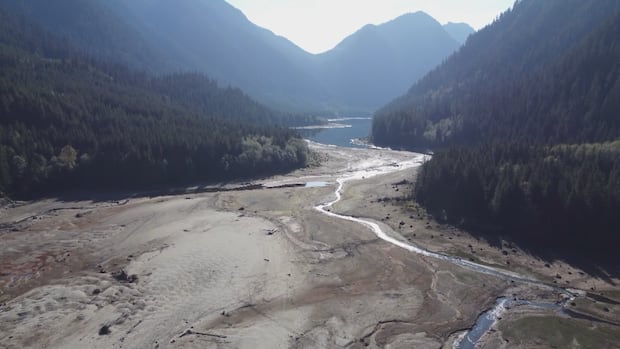
British Columbia·VideoDespite being one of the wettest regions on Earth, climate change and high demand are expected to worsen water supply over the next century in Metro Vancouver.Despite being one of the wettest regions on Earth, climate change and high demand expected to worsen supplyListen to this articleEstimated 1 minuteThe audio version of this article is generated by AI-based technology. Mispronunciations can occur. We are working with our partners to continually review and improve the results.As Metro Vancouver’s population grows and its reliable snowpack shrinks, the race is on to secure the region's water supply for the next century. But the solutions on the table are bolder than you might expect, ranging from tapping backup lakes to giant straws and massive dam expansions. CBC's Johanna Wagstaffe investigates how the city plans to keep the taps running. Correction: This video was edited after it was first published to correct spelling errors in the names of two people.Climate change and increasing demand are both expected to contribute to a water supply crisis in Metro Vancouver over the next century, projections show.Despite the region being one of the wettest on Earth, data analyzed by CBC meteorologist Johanna Wagstaffe indicates Metro Vancouver's current system will need significant upgrades to last through hotter summers and the drier years to come.Some of the solutions to solve the looming water supply crisis are elaborate — including the equivalent of sticking a giant drinking straw in a lake, and creating pipes large enough to fit a car through.As Wagstaffe reports, the region sees the highest per-capita water usage in the country, and officials say large infrastructure projects and residents actively conserving water are both needed over the next century.With files from Johanna Wagstaffe