Luxury UK holiday company in Belfast becomes yet another AI casualty forced to close after 23 years - so where did it all go wrong for travel agents?
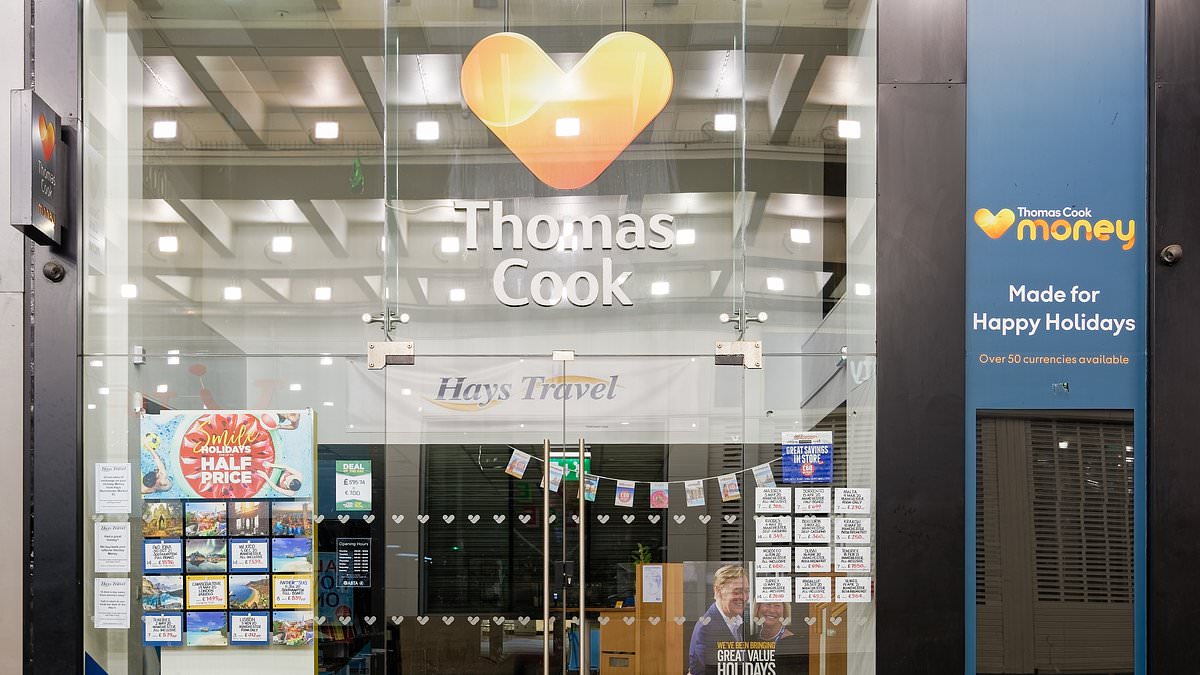
There once was a time when the go-to way to book a holiday was flipping through a brochure and heading to your local travel agent on the high street. But there have been many changes over the last few decades - from technology replacing previously in-person encounters to travel trends shifting, and the mighty rise of Artificial Intelligence.This has all undoubtedly impacted traditional travel agent shops and independent online agents, and several have closed down recently. Regen Central Ltd, which sold flights and hotel packages, ceased trading in January. Gold Crest Holidays, based in Ilkley, West Yorkshire, also entered voluntary liquidation that same month, as did Glasgow-based Simply Florida Travel Ltd, a travel agent that specialised in Disney World holidays, and Asiara, a company selling holidays to Asia.It came after Ickenham Travel Group - a London-based company that traded under the names Abu Dhabi Holidays, Ras Al Khaimah Holidays and Letsgo2 - ceased trading in November 2025.High street shop Ascot Travel House, in Ascot, had to close down its branch last May. It announced the news on Facebook and explained how 'despite best efforts to maintain a retail shop it has proved very difficult to regain the levels of business we had prior to Covid'.Meanwhile, another online independent travel company, Salamander Voyages hasn't managed to survive changes in the industry and entered administration earlier this month and shut up shop after providing luxury holidays to customers for 23 years. Its website, which previously sold private boat holidays in dreamy destinations like Turkey, Greece, Italy and Croatia, now reads: 'After 23 years of wonderful sailing in the Aegean Sea, we are very sad to announce Salamander Voyages has taken the difficult decision to close its doors.' High street travel agent Ascot Travel House closed down in May last year Meanwhile, the most recent travel agent to close was online-based Salamander Voyages Beverley Boden, a specialist in tourism and aviation with over 15 years of experience in the industry, exclusively tells the Daily Mail the range of factors that have played into the downfall of independent travel agentsSo where did it all go wrong for independent travel agents? Beverley Boden, a specialist in tourism and aviation with over 15 years of experience in the industry having worked for Thomas Cook and Hays Travel, exclusively tells the Daily Mail how AI and 'DIY' bookings are the main causes of the downfall.Beverley, associate dean at Teesside University International Business School, says: 'Travel agents used to be the beating heart of the high street and gave people a purpose to "go to town".'However, the surge in intense online competition, high overhead costs, shifting consumer habits and increased confidence in "DIY" booking has led to the once-relied on businesses to becoming a thing of the past.'Beverley notes that while bigger, more established firms, like Hays Travel, are still managing to open new branches across the country, independent stores 'can't compete with online speed and pricing'.Meanwhile, 'high overheads and staffing costs in prime locations are increasingly unsustainable, and consumers prefer to research and book directly online for convenience'.She adds: 'Despite the expertise contained within travel agencies, it is no longer enough for some consumers to make the journey to town, given the decline of the high street in general. Tour operator web sites like Jet2 are easy to navigate, informative and visually engaging. 'Specialist agents (like Salamander) have been hit hard by reduced consumer spending on luxury items. Bigger firms, like Hays Travel, are still managing to open new branches across the country'Hays Travel has stood the test of time due to its personalised service and ability to connect with people, whereas Thomas Cook was too focused on selling what was right for the business not the customer.'The rise of AI has played a part in travel agent shifts too and some holidaymakers are now turning to the handy tech to help plan their trip instead of getting expert advice. 'While some consumers turn to agents for advice, many have become confident in navigating complex travel options themselves,' explains the tourism expert. 'AI has become a virtual personal travel agent making planning and booking faster and easier, reducing the perceived need for a "person" to help.'Customers can see price comparisons for flights, hotels, transfers - almost every aspect of their trip - instantly online.Although, in some instances people are turning away from technology and going back to more authentic and personalised help. Boden adds, 'Conversely, the overwhelming volume of internet information has caused some consumers to return to agents for personalised, trustworthy, and expert guidance.'There are often online scams doing their rounds, and many target the travel sector. According to Action Fraud, travellers lost a total of over £11million to holiday fraud in 2024, with people losing an average of £1,844. It's thought the rise of Artificial Intelligence has played a part in travel agent shifts too Nevertheless, many holidaymakers aren't deterred by the online world and continue to choose it independently over travel agents. Boden puts it down to consumers becoming more 'savvy in spotting scams,' which she puts down to 'shared information about what is genuine'.'Banks, celebrity and other media sources highlight what to spot reducing risk and educating consumers on what to look for,' she adds. With travel agents battling high operating costs, the ever-changing world of internet and technology, and shifting customer habits - can high street travel agents be saved?Boden thinks so. She says: 'Travel agents are evolving and are offering expert, tailored advice that AI cannot match.'Surprisingly, younger people are returning to travel agents because they find online booking too time-consuming and seek authentic experiences, and meaningful interactions.'Travel brands like Trailfinders are thriving by focusing on high-touch service and specialised knowledge. 'As some long-haul destinations become cheaper to visit than European hotels spots, consumers rely on specialist advice as a "safety net" should things go wrong - a major factor for many given the geopolitical landscape.'