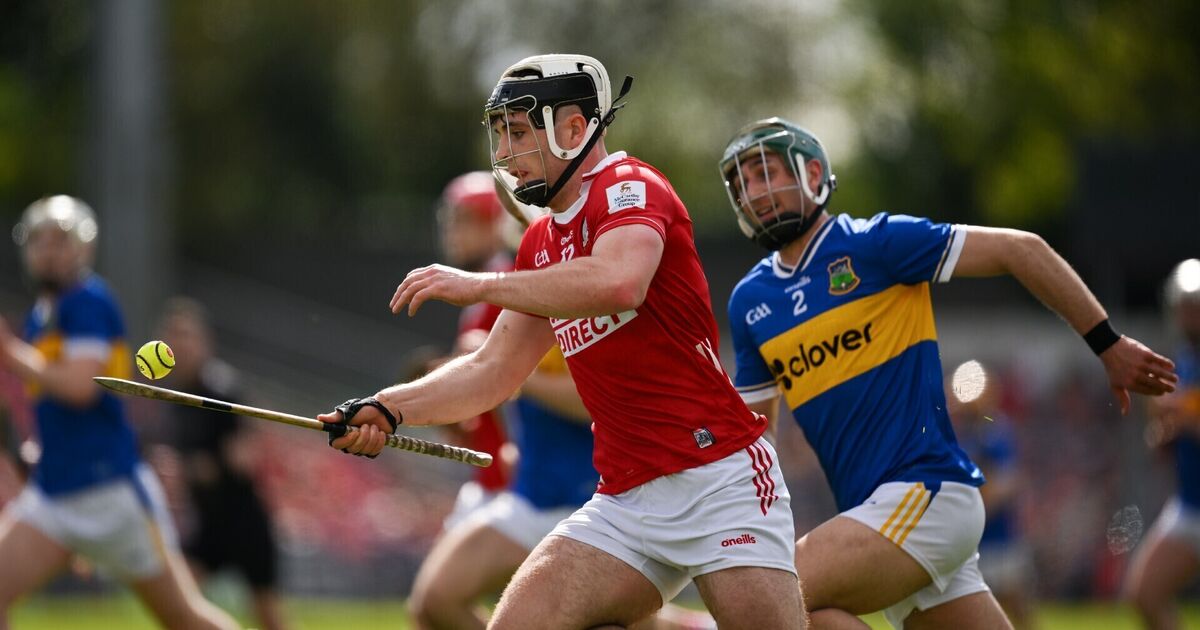
Most inter-county players used substandard helmets last weekend
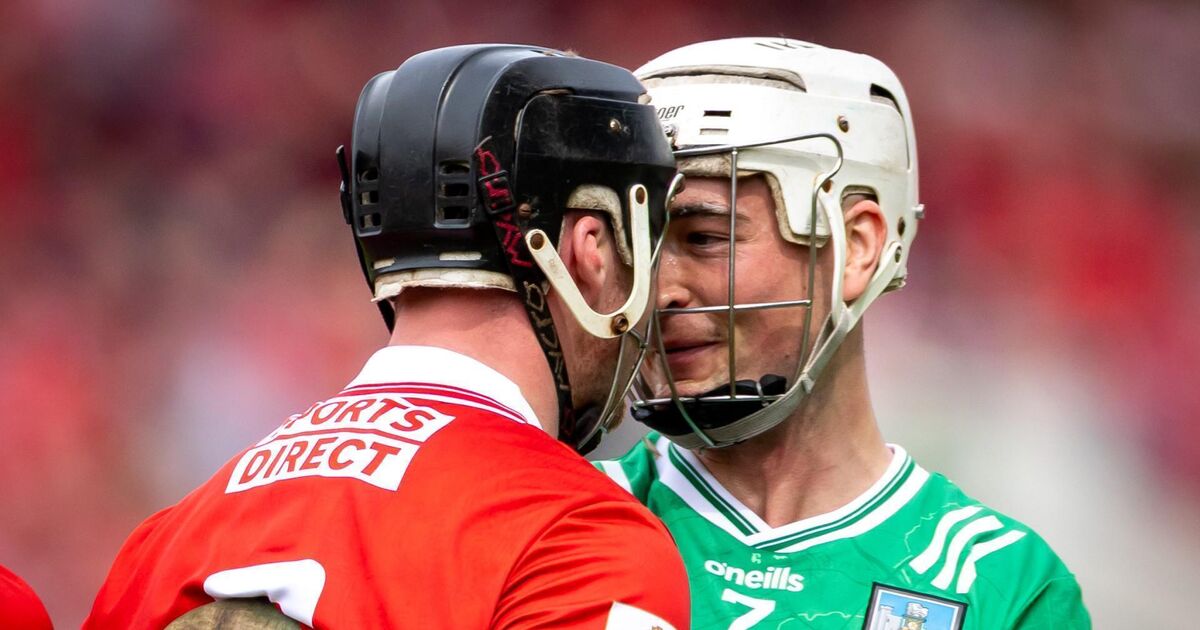
More than 86% of the players that started Sunday’s Munster SHC games in Cork and Waterford wore helmets that do not comply with safety standards, the Irish Examiner can reveal.Nine of them sported 'Gola' headgear, which have been described as "dangerous products” by the Competition and Consumer Protection Commission (CCPC).Tens of others donned helmets which do not confirm to the National Safety Association of Ireland’s IS:355 safety standard either by design or because the faceguards have been modified or replaced. As a result, they are not covered by the GAA’s player injury fund.Across the two games in SuperValu Páirc Uí Chaoimh and Azzurri Walsh Park, only eight of the 60 starting hurlers wore one of the GAA’s four licensed supplies – Atak Sports, Azzurri, Mycro and O’Neills.There is concern in GAA officialdom about the example being set by inter-county hurlers to the younger generation.Safety concerns surrounding faceguards have already prompted the GAA’s sliotar, hurley and helmet workgroup led by former Kilkenny chairman and secretary Ned Quinn to conduct a process to design a standardised faceguard.It is the Association’s intention to hold the intellectual rights for the protective mask, which is understood to feature two rather than one vertical bar in the middle of the guard for better safety. It will also be more lightweight than current visors.The faceguard, which will also feature a hinge with a tamper-proof seal that could be luminous in colour, is set to be launched later this year. Mycro and O’Neills have created samples to the specifications as set out by the GAA and they are to be tested in Sweden.Initially, the faceguard may be rolled out at senior inter-county level. The quality of helmets is to be policed by match officials and if a seal has been interfered with, the player will be booked. If they then refuse to change the helmet, they risk being sent off.Last September, the CCPC issued a statement via the GAA warning people to cease purchasing “Gola” helmets. The company Gola does not manufacture helmets.“The 'Gola'-branded helmets do not comply with the PPE Regulations,” said the CCPC.“There is no evidence of conformity with essential safety requirements of the regulations, no evidence of product specification or production control and therefore any presence of a CE marking can be considered unsupported.“'Gola'-branded helmets presents a risk to the health and safety of persons wearing them, in particular a serious risk to the eye, face, and head areas of the wearer. By definition, 'Gola' helmets are a dangerous product as defined in Article 3(3) GPSR (General Product Safety Regulation)."It is 16 years since faceguard helmets became mandatory at all levels of hurling. Initially, the number of facial and head injuries decreased significantly but figures have risen.Between October 2024 and September ’25, the number of applications made to the GAA’s player injury fund for head, facial, eye, ear, neck, nose, jaw and teeth injuries was 213 at adult hurling level and 62 at under-age. In 2015, the corresponding figures were 139 and 30.The casual attitude among hurlers to protective gear persists. In 2017, a DCU study of adult male and female players revealed over 30% of them had modified their helmet/faceguard, while another 8% said it was already altered when purchased.The demand for old style Cooper helmets, which do not pass safety standards, is high with some on sale on websites for hundreds of euros.The Cooper company currently do not produce helmets and yet their brand was worn by 42 of the 60 players that began this past weekend’s Munster SHC games.