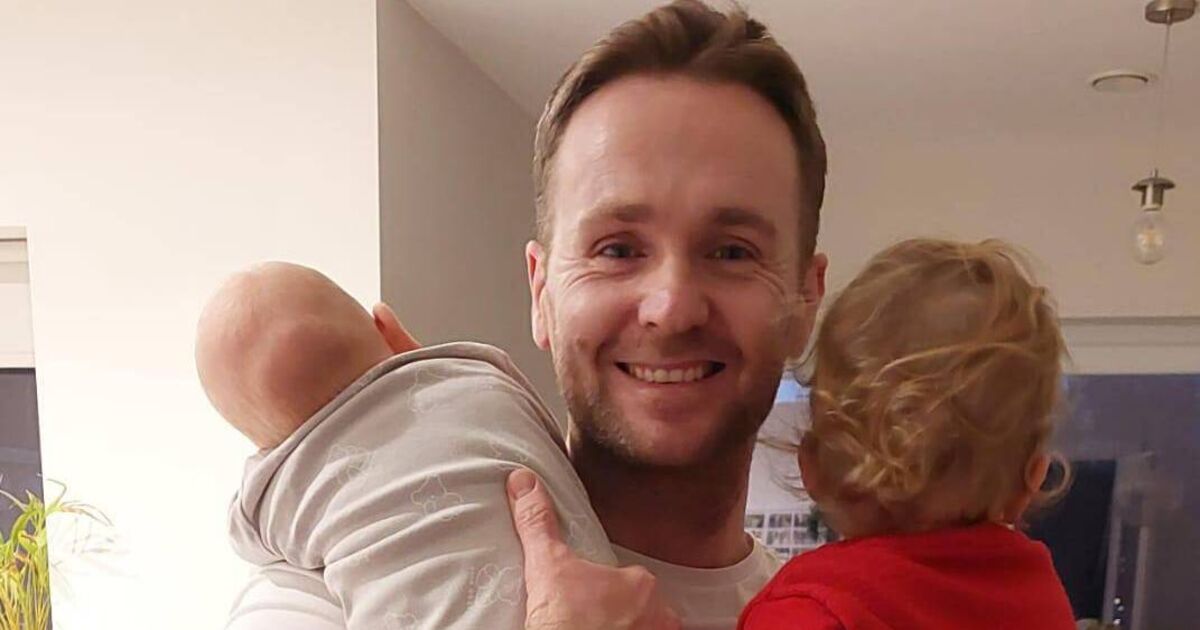
Bernard O’Shea: The Dad Bod Diaries — Five things I’ve learned about procrastination
Every Monday at precisely 9.12am, a new me appears: Organised, focused, maybe even limber from a lemon-water ritual. Clipboard-worthy, this man has a plan, a structure, and, in his mind, he’s already transformed his life.By Thursday evening, he vanishes without a trace, leaving me in the kitchen, resignedly munching a cold sausage roll found behind the coleslaw.By now, I’ve quit pretending it’s a chance. It’s a pattern. Each week, the same five culprits arrive, calmly undoing my best intentions as if they know they’ll never be caught.
1. You’re not avoiding the task. You’re avoiding the feeling.
No one ever declares: “I absolutely refuse to go for a walk.” That would be absurd. What you dodge is the moment just before — the tiny resistance, the awkward launch, the creeping suspicion that effort is required. The brain is a master at this game. It swoops in early, like an over-zealous shop assistant, pushing you towards something easier. “Let’s just check one thing first.”
Suddenly, you’re alphabetising a drawer, replying to a message from 2017, or sampling biscuits to confirm they’re still delicious. (Spoiler: They are.)
Psychologists will tell you procrastination isn’t about time management at all — it’s about emotion regulation. You’re not avoiding the task; you’re avoiding the feeling the task produces. My mother would have described this as “carrying on”. Science has fancier words for it but it’s the same thing.
2. Your plan is vague.
A few years back, I made a grand announcement: I was going to “get healthy”. I told my wife. I might have even proclaimed it to the lad at the petrol station while ordering a breakfast roll. That was the plan — just those two words. Nothing more. You’ll be stunned to hear that nothing changed. ‘Eat better’ and ‘get fitter’ have a nice ring but they’re not plans — they’re moods. The sort of thing you declare on a Sunday night after regretting your dinner, searching for emotional closure.There’s proper research on this. People who write down specific goals are far more likely to follow through than those who keep things vague. Which makes sense, because the brain can’t act on ‘sort myself out’. It needs instructions. It needs time, a place, and something that resembles a beginning.‘Go for a 20-minute walk after the school run on Tuesday’ is something a human can do. ‘Be better’ is something a mindful influencer might suggest in a YouTube short. The simpler and more specific the task, the less wiggle room your brain has.
3. Perfectionism is just procrastination in a good coat.
I once dedicated three weeks to researching running shoes before ever setting foot outside. This was no casual browse — think reviews, comparisons, and chats with men who say ‘pronation’ like it’s everyday language.I bought the shoes. Glorious shoes. I ran once. Now they reside quietly, with dignity, under the stairs. Lined up. It feels like you’re being thorough, when in reality you’re just delaying. If you never quite start, you never quite have to face being bad at something.The ones who make progress are those willing to look a bit ridiculous at first. The rest of us wait to become the finished product before even opening the box. It’s like promising to hit the gym once you’re already fit — sounds clever, achieves nothing.
4. Nothing happens because nothing has to.
If you skip your walk today, what happens? Nothing. No sirens. No letter in the post. No-one arrives at the door to ask for an explanation. Life carries on exactly as before, which quietly tells your brain this isn’t urgent.
Years ago, Irish life had built-in accountability. There was always someone watching — a neighbour, an aunt, Bridie from up the road who had a better understanding of your schedule than you did yourself. If you didn’t show up, it was noted.
More importantly, it was mentioned. Now Bridie is sunning herself in Spain, living her best life, while the rest of us remain unsupervised.The truth is, adults have little external structure unless they build it themselves. That makes everything optional. And optional tasks, especially the hard ones, rarely get done. The fix is simple, if not glamorous: Invent your own accountability. Tell someone. Book something. Rope in another person who will eventually ask: “Weren’t you supposed to be doing that?”
5. Willpower is wildly overrated.
There’s research showing self-control draws from a limited resource that drains across the day. This explains why the same person who is full of drive at 8am has, by 8pm, made a peaceful agreement with themselves to start tomorrow instead.Come evening, you’re not lacking willpower — you’re just running on empty. And yet we judge that version of ourselves harshly, as if it’s letting the side down. In reality, it’s been working away all day, making decisions, dealing with people, holding things together. By the time we get to the point where we are meant to exercise or eat perfectly, there’s very little left in the tank.
Attempting tough tasks when you’re wrecked is like reversing a trailer in the dark while already irritated: Possible but not wise. Do the hard things when your energy is higher — morning, if you can. That’s not laziness, it’s planning.
Procrastination isn’t a flaw; it’s a loop. You feel resistance, avoid it, get brief relief, then feel worse later. That guilt makes starting again harder. The way out isn’t dramatic. It’s smaller, clearer starts. So, this week, I’m not getting fit. I’m putting on the runners. And we’ll see how that goes.