Elon Musk catches heat for new Full Self-Driving claims on Tesla earnings call
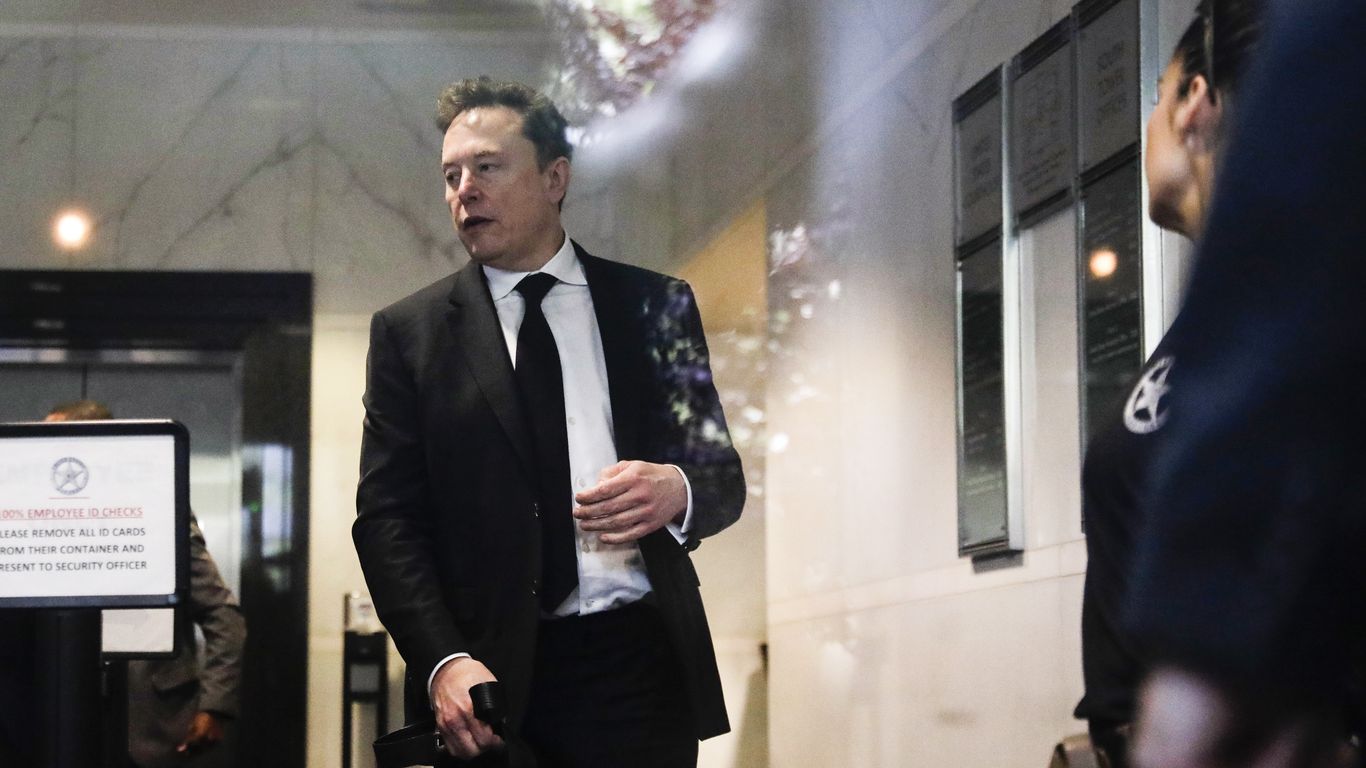
Photo Credit: Getty Images Elon Musk continues to struggle with delivering on his ambitious promises for fully autonomous driving. Tesla began installing a system called Hardware 3 (HW3) in its cars starting in 2019, claiming that it would enable "Full Self-Driving" (FSD) capabilities. On the FYI Podcast, Musk promised that FSD "will be able to find you in a parking lot, pick you up, and take you all the way to your destination without an intervention." Tesla shipped millions of updated HW3 computers to replace the older HW2.5 ones because they wouldn't be able to achieve FSD. Customers would receive free upgrades to HW3, so long as they had purchased FSD. But during a recent earnings call, nearly seven years later, Musk confessed that "Hardware 3 simply does not have the capability to achieve unsupervised FSD," citing the technology's poor memory bandwidth. This was not Musk's first concession, though. In an earnings call back in January 2025, Musk said, "I think the honest answer is that we're going to have to upgrade people's Hardware 3 computer for those that have bought Full Self Driving." Fifteen months after Musk's first admission, Tesla has yet to provide a hardware retrofit program, refund policy, or even a concrete timeline. HW3 owners are reckoning with the fact that they shelled out thousands of dollars for something Tesla has finally admitted it can't deliver, and they're picking up torches. Mischa Sigtermans, a Tesla Model 3 owner in the Netherlands, was so fed up with the seven-year wait that he launched a collective claim website which now has over 5,400 participants across the EU. Last year, thousands of dismayed Tesla customers in Australia joined a class-action lawsuit claiming the electric vehicle manufacturer misled consumers about the capabilities of its FSD hardware. This week, Musk shared that Tesla is considering building "microfactories" in urban areas to retrofit HW3 vehicles with Hardware 4, which allegedly has one-eighth the memory bandwidth, and camera system. "I do think, over time, it's going to make sense for us to convert all HW3 cars to HW4, because that's what enables them to enter the Robotaxi fleet and have unsupervised FSD," he stated. This seven-year stretch of dwindling hope for unsupervised FSD casts a shadow over Tesla's financial outlook, as the company recently reported that its profitability remains precarious following years of declining revenues. Get TCD's free newsletters for easy tips, smart advice, and a chance to earn $5,000 toward home upgrades. To see more stories like this one, change your Google preferences here.



Comments (0)