HUD aims to roll back protections for trans people in federally funded housing, shelters
Real journalists wrote and edited this (not AI)—independent, community-driven journalism survives because you back it. Donate to sustain Prism’s mission and the humans behind it.
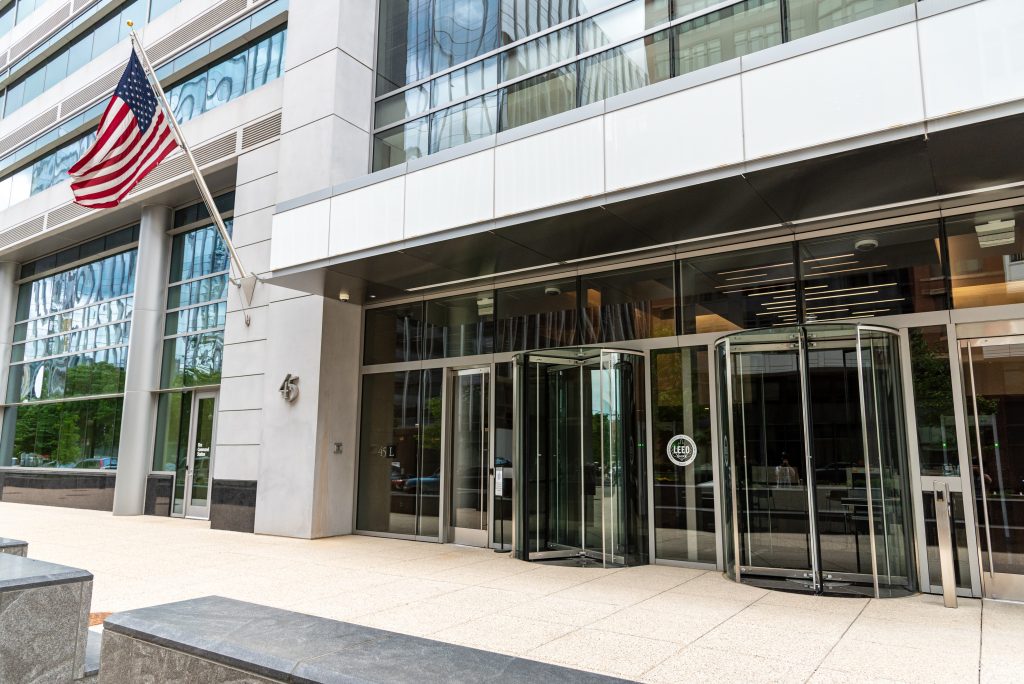
The U.S. Department of Housing and Urban Development (HUD) unveiled plans on Monday to roll back landmark civil rights protections for LGBTQIA+ applicants in federally funded housing or shelters.
The proposed rule, posted in the Federal Register, would take particular aim at Obama-era policies that expanded housing protections for transgender people and remove references to gender or gender identity and replace them with “sex.” The rule would also allow facilities under HUD programs to “require reasonable assurances and evidence to confirm the sex of an individual seeking service in order to protect the safety of other individuals in the facility.”
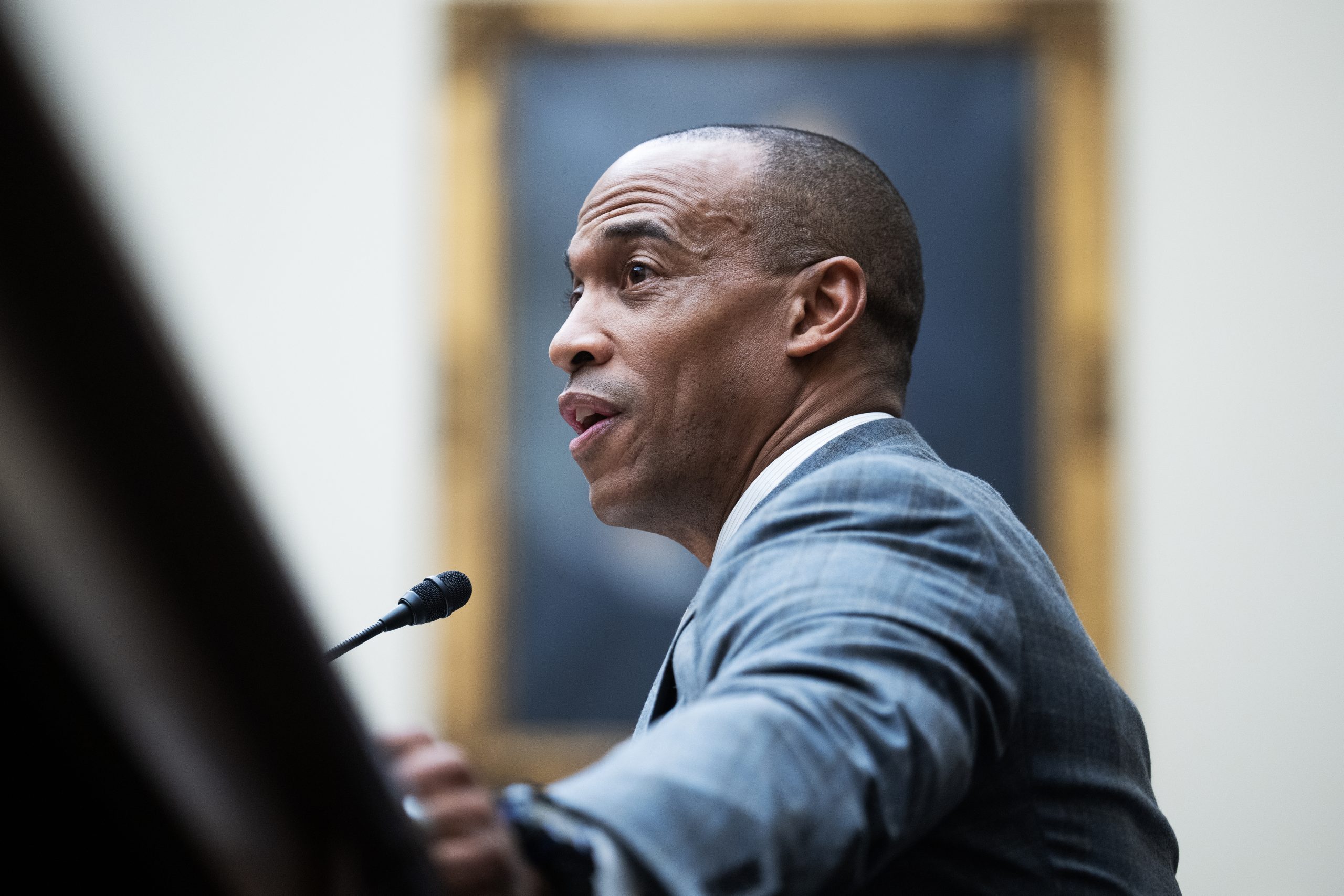
HUD Secretary Scott Turner said in a statement, “This proposed rule will bring biological truth and sanity back to HUD’s policies.”
“God created two sexes: male and female,” Turner said. “The Left’s war on biological reality through radical gender ideology will no longer take precedence over the safety and security of America’s most vulnerable women.”
The new policy proposal cites President Donald Trump’s day one executive order that seeks to enforce a binary definition of biological sex in federal policy. That same executive order has been cited in efforts to roll back prison rape protections for transgender and intersex incarcerated people and other landmark protections, and is the subject of ongoing legal challenges.
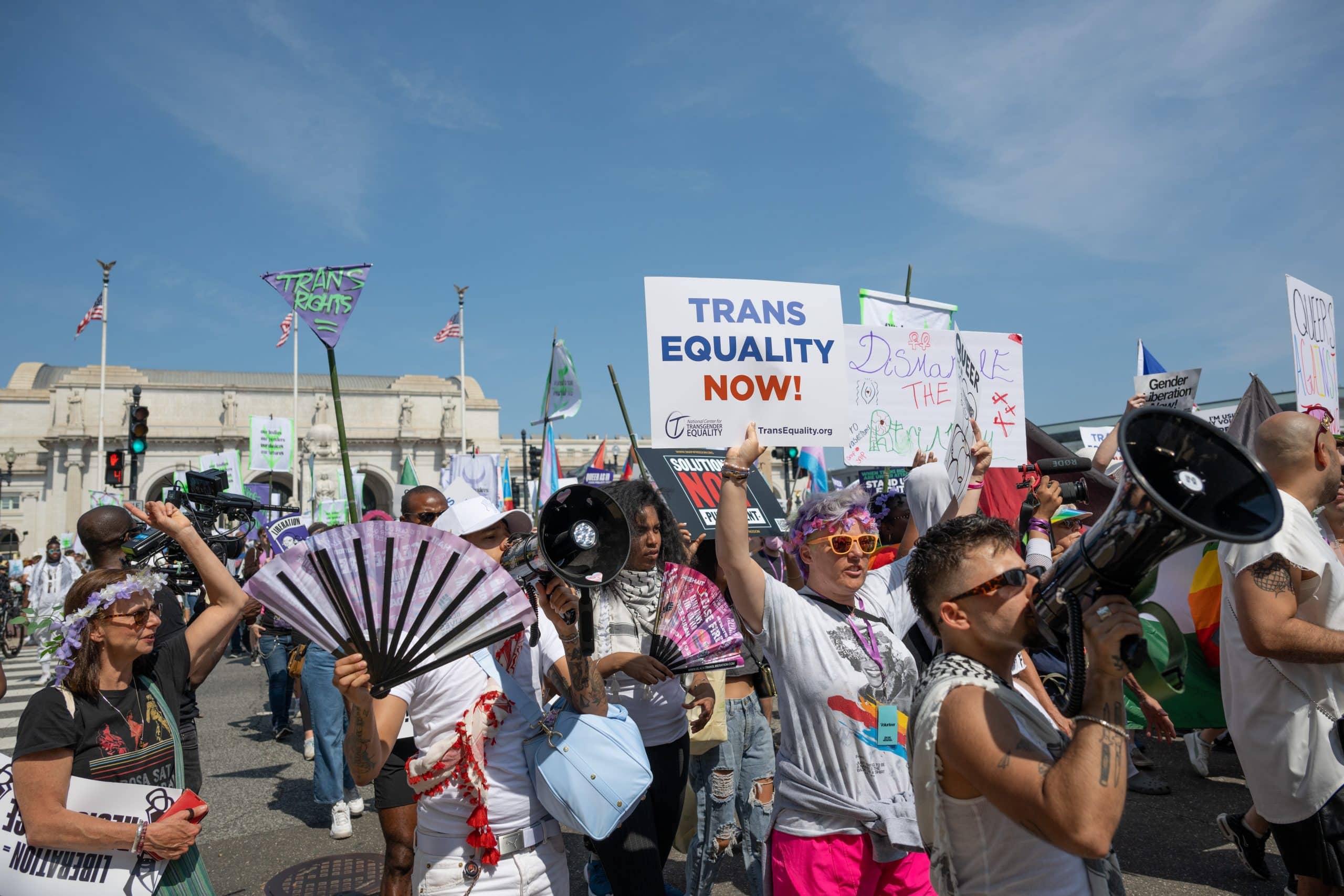
In a statement, the National Housing Law Project Chief Program Officer Deborah Thrope blasted the “cruel” proposal that she said would force local and state governments, as well as hospitals and social services, to bear the increased costs this policy would create.
“Everyone deserves the freedom to be who they are and love who they want without fear of discrimination,” Thrope said. “This unlawful proposal is a baseless assault by the Trump administration on LGBTQ+ people.”
“We wholeheartedly reject this proposal in solidarity with LGBTQ+ families and allies,” she added. “Our country has the resources to ensure that all of us have a roof over our heads, and we are steadfast in our commitment to fight alongside LGBTQ+ tenants and neighbors until we’re all stably housed.”
The HUD proposal is the latest in a yearslong anti-transgender crusade by the Trump administration that seeks to undermine queer and trans people’s access to fair housing, best-practice medical care, education, and jobs and services that are free of discrimination.
Turner issued an order last year directing the agency to stop enforcing a 2016 rule, enacted under former President Barack Obama, that expanded housing protections to include gender identity.
The Associated Press also reported last year that since Turner was tapped to lead HUD, the Office of Fair Housing and Equal Opportunity directed staff to pause investigations of all cases of gender identity discrimination.
Like every civil rights protection for queer people being dismantled by the Trump administration, these systems were once necessary safeguards for a community that faces rampant discrimination, in this case with respect to housing—whether that’s renting, buying, or even seeking emergency assistance.
Research and experts alike overwhelmingly show that LGBTQIA+ people, particularly trans people, face much higher rates of homelessness and housing insecurity than their peers.
According to preliminary findings from the most recent U.S. Trans Survey, which surveyed more than 90,000 trans people across the U.S., nearly one-third of respondents had experienced homelessness in their lifetime, and about that same amount were experiencing poverty.
The 2022 survey is the largest ever conducted to examine the experiences of binary and nonbinary transgender people in the U.S. and was undertaken by the Advocates for Trans Equality Education Fund, in partnership with the National Black Trans Advocacy Coalition, National Queer Asian Pacific Islander Alliance, and TransLatin@ Coalition.
Citing data from HUD’s own Annual Homeless Assessment Report, the National Alliance to End Homelessness also reported in January 2024 that the number of transgender people experiencing homelessness increased by at least 26% between 2019 and 2023.
Additionally, the Trevor Project reported in February 2022 that 28% of LGBTQIA+ youth reported experiencing homelessness or housing instability at some point in their lives. All of these risks, experts say, disproportionately affect queer and trans people of color even more.
This housing insecurity is particularly fueled by a confluence of different stigma, according to experts and LGBTQIA+ advocates, including forced homelessness by unsupportive families or employment discrimination that threatens people’s ability to pay rent.
Studies also show that queer people are often charged higher rent, are frequently turned away or overcharged in assisted-living facilities, and face lower mortgage approvals rates as well as higher fees and interest from lenders.
Democrat Rep. Bradley Schneider of Illinois introduced a bill last June to extend protections under the Fair Housing Act to people experiencing discrimination based on sex or sexual orientation, but the bill has not progressed since.
Editorial Team:Sahar Fatima, Lead EditorLara Witt, Top EditorRashmee Kumar, Copy Editor






Comments (0)