What the ‘90s 'butter mom' TikTok trend says about modern motherhood
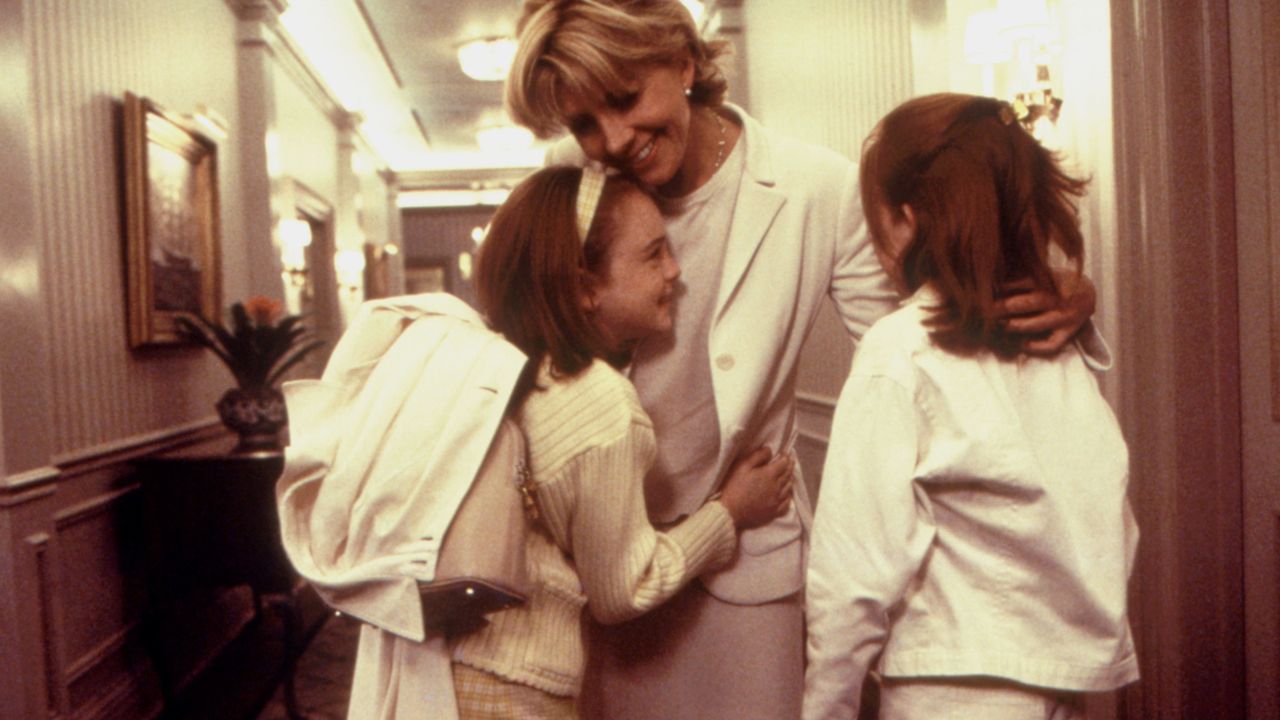
If you've been on TikTok or Pinterest of late — and especially if you're a parent yourself — you've probably come across the ‘butter mom’ aesthetic. If not, let me paint you a picture in a series of visuals: freshly-baked bread, denim dungarees, Alanis Morissette or Sheryl Crow on the CD player, cosy patchwork bedspreads, wind chimes in the garden, undone hair and playing with family while barefoot in the grass.This romanticised, whitewashed version of '90s motherhood is taking over socials for the way that it starkly contrasts motherhood today: something I'm keenly aware of, having become a mum just over a year ago. This mum is described as the opposite of an almond mom — cosy, wholesome, earthy, but without the anti-vax, tradwife connotations. Always emotionally-available and always on-hand with a freshly-baked good. Think Practical Magic meets Miss Honey from Matilda.Despite being somewhat of a ‘butter mom’ myself at heart — I'm a Levi's jeans-loving Luddite, with a passion for ‘90s mum rock and home cooked food — this hyper-idealised version of parenting is but a fantasy. Much as many mums would like to take time out to be present with their babies and/or children, spend as much time outdoors, avoid eating ultraprocessed foods, wear 100% cotton, thrifted clothing — and look good while doing it — the reality is much different.Mothers in 2026 face a landscape of a lack of support from the top down — in an increasingly individualistic society that platforms the self above community, the village is now empty of villagers. Yes, everyone's happy to see the cute newborn, but weeks and months down the line, the visits grow less frequent and the ‘Hope you’re doing okay!' messages tail off. Fresh off of the surgery table after a C-section, I was back to my freelance writing career six weeks in (mind you, the recovery time of the operation is strictly eight weeks), such was the dismal maternity allowance I was credited by the government, which stands at £194 per week. For those who don't have to slot work into naptimes and evenings like my self-employed self, things aren't much easier; the UK is among the top five most expensive countries for childcare, with annual costs often exceeding £14,000.It makes sense that this idealised version of motherhood is trending. When the backdrop of modern-day parenting is climate crisis and the potential of World War 3, a cosy, wholesome, Instagram grid-worth veneer of motherhood helps stave off the anxiety pangs.As a child of the ‘90s (I was born in 1992), I feel like I can say that parenting seemed to have been a totally different ballgame back then. Life just seemed easier — and I don't think that's just because I was a child at the time. According to the House of Lords Library, the real disposable household income per head in the UK between grew by 20.7% over the course of the decade. The average annual salary in the 1990s was approximately £15,034 — equivalent to roughly £29,593 in modern day terms. Not enough to cut it in London today, certainly, but a decent income to many around the UK.Perhaps it was the lower financial stress, the nonchalant vibes of ‘Cool Britannia’ or the lack of smartphones, but everything just seemed so much more relaxed in the ‘90s. And maybe that’s what the ‘butter mom’ trend is really tapping into. The days when you didn't need a smartphone for quite literally every aspect of your life. When you could read a book or paint a picture without feeling the gnawing craving to scroll your phone. When hanging out with friends was a weekly phone call on a landline and not a bougie brunch that takes six months to organise. Or when your support network lived nearby and not spread around the UK and beyond due to diminishing job opportunities locally. When you could jump into a lake or the sea without worrying that you're swimming in raw sewage. Or get your clothes dirty from playing in the park or running in the woods and your mum not caring because you weren't getting uploaded to an algorithm.