The Legacy of US$1.5 billion SLL initiative
Changing lives in Zambia | Derrick Sinjela
In 2019, the world was confronted with a ravaging Coronavirus (COVID-19), a herculean task overcome by technical and monetary prowess marshalled through African Centre for Disease Control (Africa CDC) and MasterCard Foundation, respectively.
Africa CDC Southern Africa Regional Coordinating Centre, Regional Director, Dr Lul Pout Riek is delighted that the SLL initiative, a $1.5 billion partnership between the Mastercard Foundation and Africa CDC, incomparable vaccination milestones administered over 32 million COVID-19 vaccine doses, contributing significantly to the African Union’s (AU’s) target of vaccinating seventy percent (70%) of eligible people.
The Saving Lives and Livelihoods initiative, implemented in 2021 in a two-phased approach anchoring interventions meant to ameliorate the 2019 Coronavirus (COVID-19) teething burden.Part of the $1.5 billion SLL in Luapula province recruited 400 healthcare workers with 220,000 COVID-19 vaccine doses being administered countrywide.
Approximately 32 million COVID-19 vaccine doses have been administered across Africa, helping Africa CDC to reach it’s 70% vaccination of eligible people.
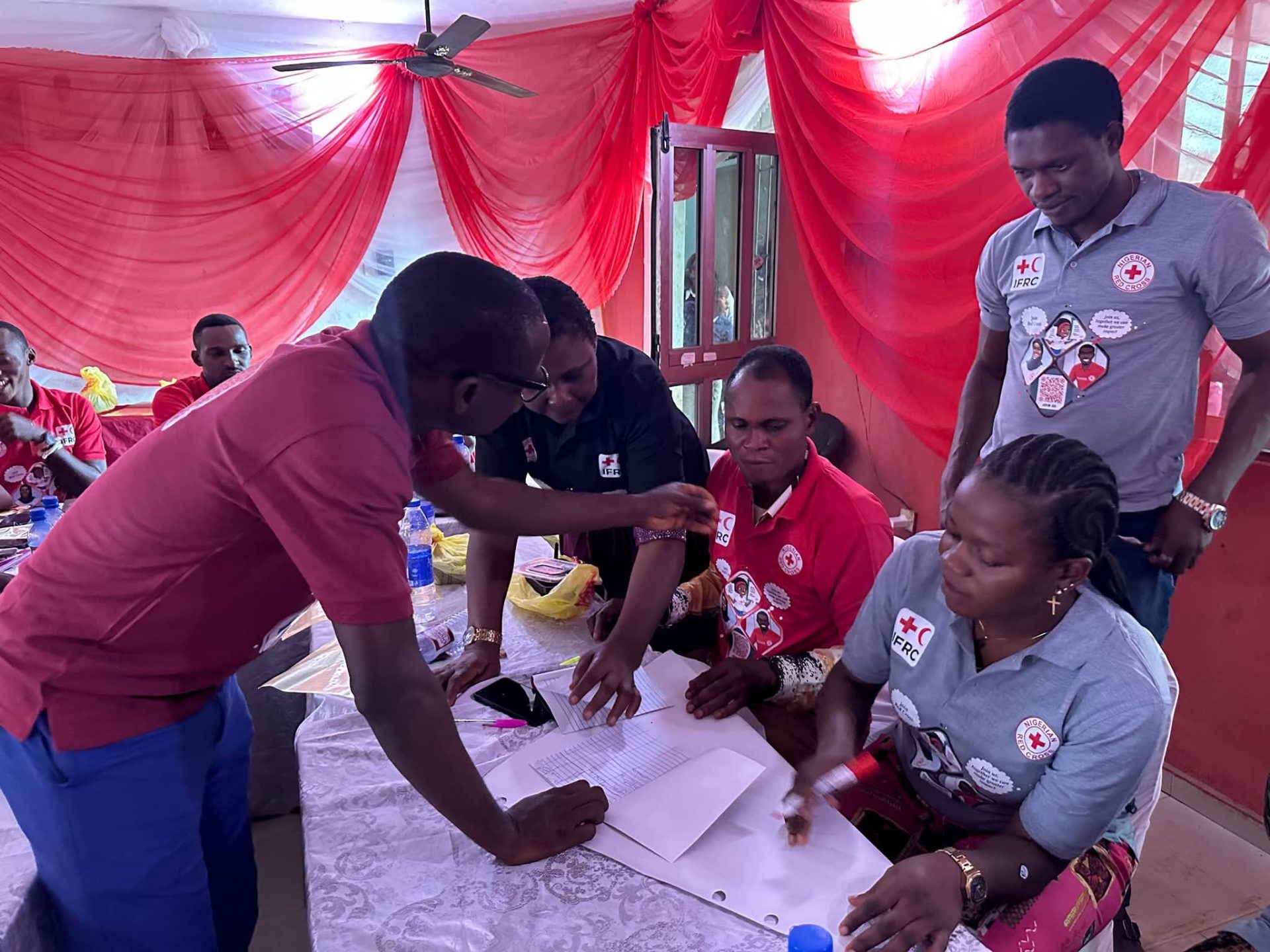
In Zambia, the programme through Red Cross, has supported the development of context-specific Risk Communication and Community Engagement materials, translated into local dialects, to enhance vaccine uptake and public awareness.
As the SLL initiative closes at the end of December 2025, it has enabled integration of COVID-19 vaccines into routine immunization programmes. The Saving Lives and Livelihoods initiative is a bulwark against future health emergencies. The five Africa CDC regions are Eastern Africa, Northern Africa, Southern Africa, Central Africa, and Western Africa.
Each region is served by a Regional Collaborating Centre (RCC), with the Southern Africa RCC located in Lusaka, Zambia, which was launched in 2021 to support ten member states in the sub-region.
The Regional Coordinating Centers (RCCs) Eastern Africa, Northern Africa, Southern Africa, Central Africa, and Western Africa. The Southern Africa Regional Collaborating Centre (SA-RCC) in Lusaka, Zambia acts as a crucial link between the Africa CDC headquarters and the member states in the Southern Africa region, supporting public health initiatives.
The Africa CDC Southern Africa Regional Coordinating Centre is responsible for coordinating ten (10) African Union (AU) countries, Angola, Botswana, eSwatini, Lesotho, Malawi, Mozambique, Namibia, South Africa, Zambia, and Zimbabwe. On the economic front, the SLL initiative created jobs, contributing to Africa’s economic recovery and saving lives.
Capacity Building
Many medical personnel were trained and deployed as technical experts across Africa, thus strengthening health systems. It is worth noting that 32 laboratories for genomic sequencing, a game-changer for pandemic preparedness were established. Further, strengthening Africa CDC capacity from headquarters, RCC and in country presence by hiring world-class experts in disease surveillance, laboratory capacity, and outbreak response is acknowledged.
Preparedness and Response
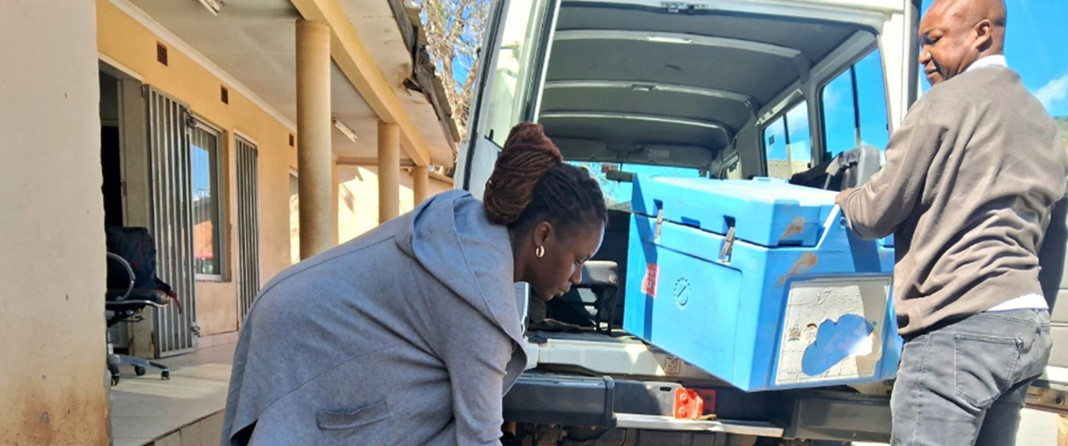
The SLL initiative enhanced country capacities for health security, surveillance, and outbreak response, through delivery of world class cold chain equipment to six countries in the Southern Africa to ensure vaccines remain potent and effective strengthening primary health systems in Botswana, Lesotho, Malawi, Namibia, Zambia, and Zimbabwe.
Local Manufacturing
The SLL initiative equally laid a strong foundation for vaccines, diagnostics, and therapeutics, viewed as a critical pillar of the New Public Health Order, without which African Union preparedness and response entrenches vulnerability.These achievements demonstrate that SLL initiative’s profound impact on saving lives,
promoting livelihoods, and strengthening Africa’s health systems, paving the way for a healthier, more resilient continent.
Africa CDC cooperating partner, Amref Health Africa has strongly called on the need for the Continent to see to it that African Governments build reliable Systems that will be able to timely detect and effectively mitigate future pandemics like Coronavirus (COVID-19).
Preaching a message of preparedness, African Governments are being encouraged to remain steadfast in fighting any outbreak and save lives in the Continent once a 2019 situation emerges.
Amref Health Africa Zambia Country Manager, Ms Viviane Sakanga said most of the countries on the African continent were adversely hit by the COVID-19, pandemic outbreak due to lack of effective preventive measures in managing the health burden, hence need for the African Union (AU) Member States to think ahead in terms of putting in place programmes that will help provide lasting solutions in addressing future encounters.
Hosting Zambian Journalists and an Africa CDC communication team, undertaking an ongoing community engagement tour of regional offices, Ms Sakanga recollected that during the COVID-19 period in the Southern African Development Community (SADC) region including Zambia, a lot of lives were adversely affected and sadly some lost despite countries putting efforts and measures to distribute vaccines to the people that were affected by COVID-19 pandemic on the African Continent.
“As Amref Health Africa, who are Africa CDC partners among others, we think that for Africa to be or have a safer future, when you talk of being affected by the outbreak like COVID-19, the Member States need to massively invest in building health resilient systems capable of detecting diseases of any pandemic that might occur in the future. In our view such preparedness will protect and save and guarantee African lives and livelihoods,” Ms Sakanga said.Ms Sakanga sought urgent need for the Government of Zambia, specifically Ministry of Health, to provide a guidance in terms of resilient programme and processes that are able to detect the pandemic and be able to withstand future shocks beckoned by outbreak like COVID-19.A Ministry of Health Immunization Specialist, Ms Constance Banda is placing premium on a robust responsive national programme toward combating any future pandemic outbreaks in communities.
“Government is increasing public awareness, with sustained effort to protect public health consolidating vaccination programmes,” noted Ms Banda.
On his part, AKROS Zambia Operations Manager James Nyirenda appreciated ongoing cooperation between Africa CDC and African governments. Mr Nyirenda described the partnership as a good marriage that has seen tangible good results made possible through evidence-based interventions.
“African Union Member States continue to respond effectively in mitigating COVID-19 cases due to a good collaboration anchored by Africa CDC,” said Mr Nyirenda adding pharmacovigilance and safety surveillance, designed to strengthen Adverse Events Following Immunization (AEFI) reporting and vaccine safety surveillance, is prioritised by AKROS Zambia. “Zambia’s vaccination programmes are safe and effective. AKROS Zambia, is collaborating with Zambia Medicines Regulatory Authority (ZAMRA) broadening immunization and support pandemic surveillance.
Cold Chain Preparedness
A visit to the Ministry of Health (MoH) Lusaka Province Cold Chain facility showed remarkable readiness to acquire, store and roll out Anti-TB Medicines, Child Immunization vaccines, COVID-19 vaccines, Lab commodities, Epidemic commodities and other essential medicines.
During a tour of her jurisdiction undertaken by Africa CDC on Wednesday 30th July 2025, MoH Lusaka Province Pharmacist -in-Charge Vaccines Stores, Mirriam Muchimba Chifwesa explained that vaccines are generally stored at temperatures between two degrees Celsius (+2⁰C) and eight degrees Celsius (+8⁰C).
There are some vaccines that remain stable in frozen state such as Oral polio vaccine and they are stored between minus fifteen degrees Celsius (-15⁰C) and minus twenty-five degrees Celsius (-25⁰C), which in turn increases the shelf life as long as they have not reached an expiration date. For instance, Pfizer (prediluted formulation of the COVID-19 vaccine) can be stored in ultra cold chain at -70⁰C until the expiration date.
Upon removal from ultra cold chain, Pfizer has a limited shelf life of 70 days when stored between +2⁰C and +8⁰C. Pharmacist Muchimba-Chifwesa says her Lusaka Province jurisdiction distributed commodities to all districts. “It is a manageable tight office,” said Pharmacist Muchimba-Chifwesa as she pointed to solar-powered cold chain equipment, as Zambia moves towards. sustainable energy solutions.
UNICEF Immunisation Specialist Dr Abdalla Hassan is delighted that the African Centre for Disease Control (Africa CDC) Saving Lives and Livelihoods initiative-built capacity to cope with future pandemics.
On his part, UNICEF, Immunisation Officer, Dr Tino Maliselo is glad that stationed and moving infrastructure built by the SLL guaranteed drugs reaching the last mile withstanding terrain and distance while still potent to any destination.
Dr Hassan says the Africa CDC Saving Lives and Livelihoods initiative played a critical role in guaranteeing acquisition, storage, delivery and eventual distribution of Coronavirus (COVID-19) drugs to all the ten Zambian provinces; Central, Copperbelt, Eastern, Luapula, Lusaka, Muchinga, Northern, North-Western, Southern and Western.
“Through the Africa CDC SLL – Mastercard Initiative, UNICEF Zambia in consultation with the MoH identified areas of interest to support the rollout of Covid-19 vaccines to protect the population. SLL improved the immunisation supply chain guarantee effective safe delivery of COVID-19 vaccines, through planning and coordination on the Zambian country needs.
“We chose solarisation of fridges to help vaccine rollout in rural beach areas and Zambia as a whole, challenged by electricity availability to sustain the National vaccine store keeping the vaccines safe and potent. Zambia’s capacity to respond to any future pandemic has been built.
The second benefit of the SLL initiative is that the protection of children and people through partnership, collaboration and coordination of all key stakeholders prioritizing high quality cost effective sustainable equipment rollout and equitable access to life-saving vaccines,” said Dr Hassan.
On his part Dr Maliselo says guaranteed access to vaccination regardless of one’s geographical location is paramount.
“UNICEF’s role is ensuring that quality vaccines, commodities and solarised cold chain logistics reach the last mile in a rural remote village,” said Dr Maliselo.
On concrete health systems strengthening – for example – health infrastructure, Dr Maliselo says Africa CDC -Mastercard Foundation refrigeration support has built Zambia’s vaccine security and solarisation of the National Vaccine Store.
He said, Zambia received malaria vaccines and as we conducted the interview, country was receiving mpox vaccines,” said Dr Maliselo, pointing to a sustainable, resilient and responsive Zambian health system.
Flashback
Africa CDC continued support for African Union Member States in disease surveillance, prevention, control and response activities towards public health threats saw Africa CDC Director General, Dr Jean Kaseya congratulating President Hakainde Hichilema’s appointment as Southern Africa Development Community (SADC) region cholera champion, an accolade which boosted Zambia’s COVID-19 stewardship.
This commendation is amplified by Dr Riek’s appreciation of President Hichilema’s leadership in combating Coronavirus (COVID-19). “Africa is ready to manage future pandemics. Through Saving Lives and Livelihoods programme – a US1.5 billion partnership between Mastercard Foundation and Africa CDC – has achieved remarkable milestones.
Through establishment 32 laboratories, this collaboration is a game changer as it has strengthened Africa CDC’s capacity in pandemic preparedness and response, enhancing country-level health security, surveillance and outbreak response as well as delivering world-class cold chain to six Southern African countries including Zambia, are steps boosting primary health-care systems across Africa,” attested Dr Riek with optimism.