'Mathematically Incorrect': RFK Jr Under Fire for Explanation of Trump's Inconceivable '600% Reduction' of Drug Prices
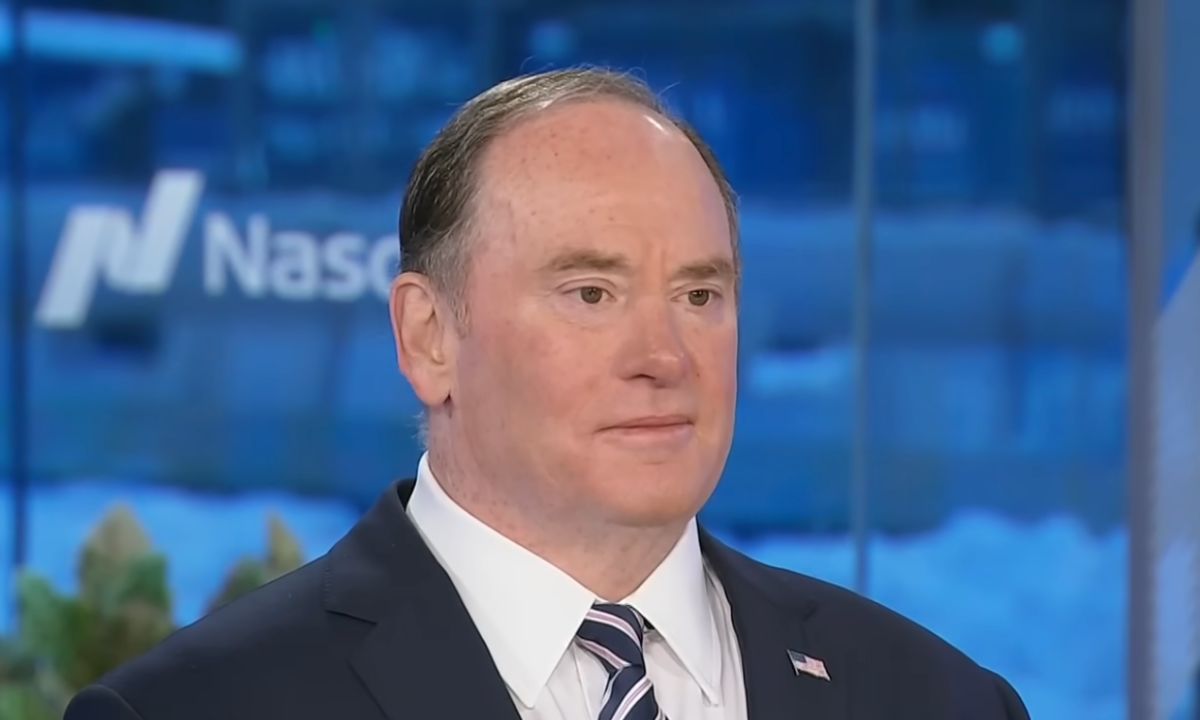
The United States Senate Finance Committee witnessed an unconventional lesson in arithmetic on Wednesday as Robert F. Kennedy Jr. defended the administration's claims regarding pharmaceutical costs. Facing intense scrutiny over President Donald Trump's repeated assertions of triple-digit price cuts, Kennedy offered a justification that has since ignited a firestorm of ridicule from mathematicians and social media users alike.The Health and Human Services Secretary nominee suggested that traditional mathematical rules do not apply to the President's unique rhetorical style. This testimony marks a significant moment in the ongoing debate over the administration's ability to communicate complex economic policy without resorting to hyperbole.Kennedy Defends Trump Calculations During Senate Finance HearingDuring the hearing, Kennedy was pressed on how a price reduction could ever exceed 100 percent without the manufacturer paying the consumer to take the medication. He replied, 'President Trump has a different way of calculating percentages. If you have a $480 ($600) drug and you reduce it to £8 ($10), that's a 600% reduction.'This explanation suggests that the administration is treating the initial price figure as the percentage of reduction, regardless of the actual mathematical delta. In reality, dropping a price from £480 ($600) to £8 ($10) represents a 98.33 per cent decrease, a figure that is substantial but falls short of the President's rhetoric.By redefining the standard formula for percentage decreases, Kennedy attempted to bridge the gap between political messaging and statistical reality. However, the explanation only intensified questioning about the transparency of future health policy.
Social Media Erupts Over Inaccurate Percentage Reduction Logic
Reaction on social media platforms was swift, with users on X and TikTok highlighting the mathematical problems in Kennedy's explanation. Commenters pointed out that a 100 per cent price reduction would make a drug free, and that a 600 per cent reduction would, under standard definitions, require a pharmacy to pay patients £2,400 ($3,000) to take a £480 ($600) medicine.'That is an absurdly ignorant statement from RFK,' one user wrote. 'There is no way to come up with 600% anything based on these numbers, and the fact that our HHS secretary has so little understanding of basic mathematics to not realize this, and for him to defend President Trump's mathematical errors by making this statement is disturbing indeed.'Others described the testimony as 'inventing new math' or operating in a 'discount universe'. Several critics noted that a 98 per cent reduction, or roughly a 60‑fold drop in price, would already be significant without invoking 'make‑believe math'.'That's a mathematically incorrect statement. It's NOT a 600% reduction,' one remarked. The netizen pointed out that it was a '60-fold reduction' and that it was already 'impressive' so the administration need not 'exaggerate it.'Many commenters expressed concern that a senior health official was defending the figures. Some argued that rebranding a 60‑fold reduction as a 600 per cent cut went beyond a rhetorical flourish and reflected a disregard for basic numeracy.
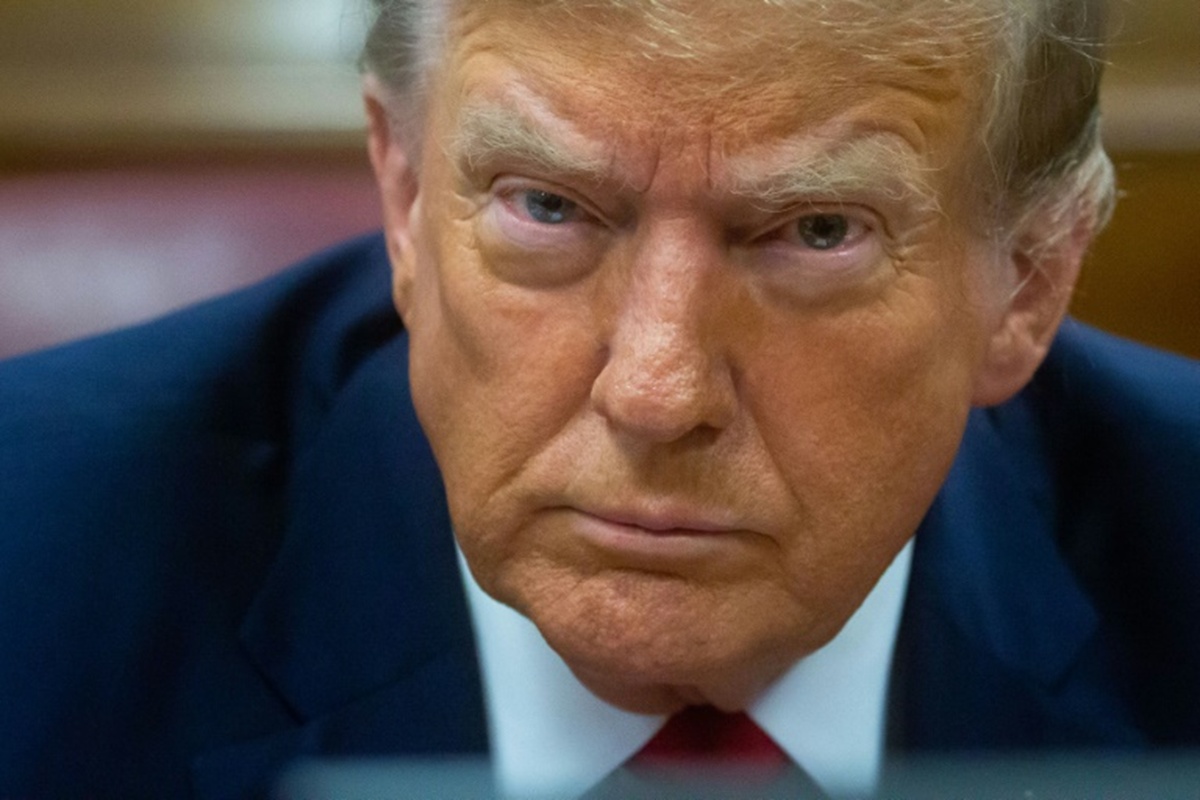
Trump's Impossible Statistics During National AddressThe controversy stems from comments made by Trump in October 2025, where he claimed to be cutting prescription drug prices by well over 100 per cent.'Drug prices are coming down 400%, 200%, 600%, numbers that nobody's ever seen before,' the POTUS announced. 'Five hundred, 600, 800%, in some cases even more than that. It's hard to believe.'However, many question the statement because it was improbable. It remains difficult to believe because these figures are mathematically impossible within any standard economic framework.If a company reduced drug prices to zero, that would constitute a total 100 per cent cut. Any figure beyond that would imply a negative cost, which is not currently occurring in the American pharmaceutical market.The reliance on exaggerated statistics continues to draw criticism from news outlets and policy experts who argue for factual accuracy in healthcare reporting. Perhaps it's time for Trump and RFK Jr to admit they were wrong about reducing drug prices, because their claim is unattainable.