Britain 'more vulnerable' than other countries to war as conflict threatens to blow £16bn hole in Reeves Budget
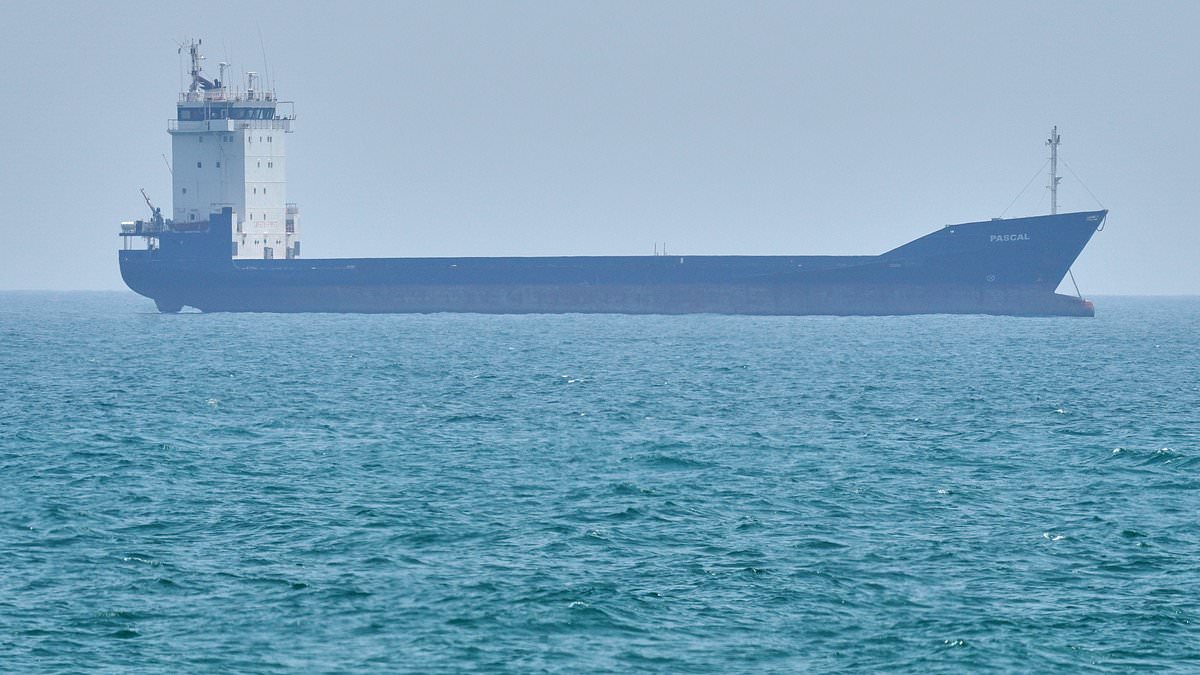
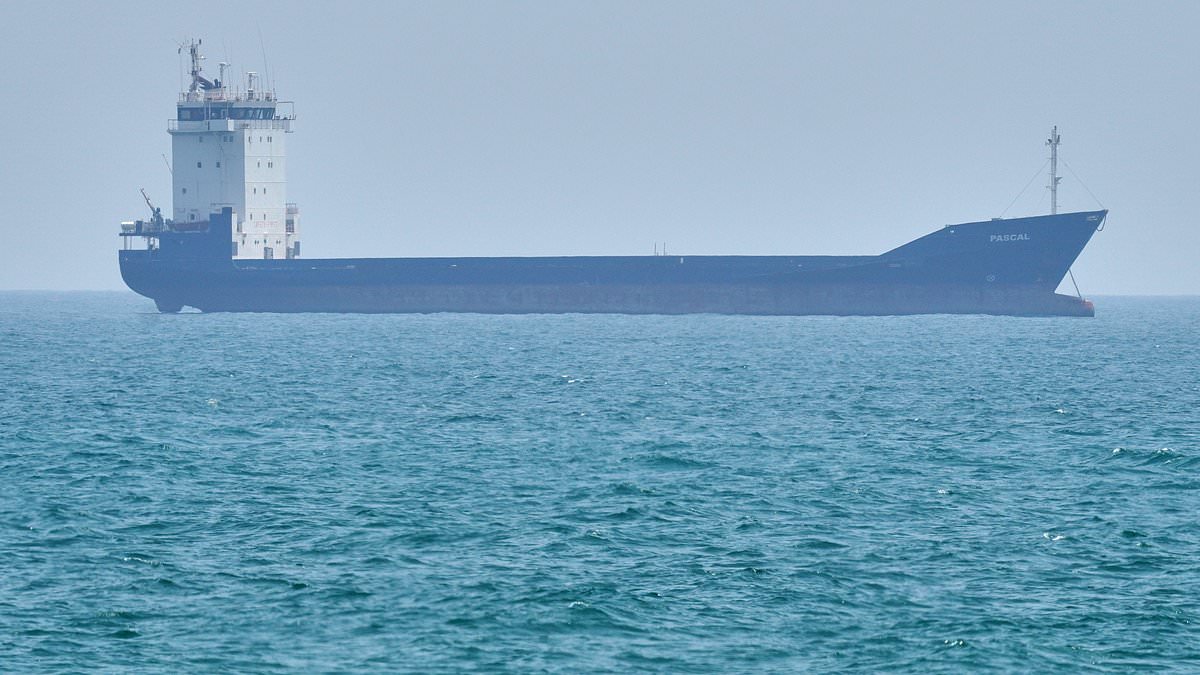
Britain is 'more vulnerable than most' to an economic hit from the Iran war as the conflict threatens to blow a £16 billion hole in Rachel Reeves's Budget plans, new analysis suggests.A report from the Resolution Foundation think-tank concludes that based on past energy shocks the UK could be pushed into recession and face a major hit to public finances.That would 'massively' reduce the Chancellor's £22 billion 'headroom' for meeting Budget rules.Simon Pittaway, senior economist at the Resolution Foundation, said: 'No-one knows which direction the current conflict in the Middle East will take, but we do know that it will make us all poorer. 'The cost of filling up the car has already increased, and from July, so too will energy bills.'The conflict is going to make the state poorer too. A deterioration in the conflict that sustains some of the worst hits to the economy could deal a £16 billion hit to the public finances.'Britain faces a bigger risk from the war – which has choked off energy supplies from the Middle East – because of its heavy use of gas in household energy consumption.It also faces a sharp increase in mortgage costs as a result of the conflict, as markets predict higher Bank of England interest rates – meaning typical first-time buyers face paying £100 a month more than before the war started, the report said. The war has choked off oil and gas supplies from the Middle East. Pictured: A tanker anchored in the Strait of Hormuz on Saturday The think-tank said the UK fall-out from the Middle East conflict has so far been 'more muted' than Russia's full-scale invasion of Ukraine in 2022.Yet motorists have already seen petrol prices soar by 20 per cent and diesel by 36 per cent, while energy bills are predicted to go up by 20 per cent in July.'The UK does appear to be more vulnerable than most when it comes to how the conflict is affecting its economy,' the report said.Both the International Monetary Fund (IMF) and the Organisation for Economic Cooperation and Development (OECD) have downgraded Britain's growth outlook for this year by 0.5 percentage points, more than for any other member of the G7 group of major advanced economies.But the Resolution Foundation analysis suggested that if oil prices remain persistently high, UK gross domestic product could take a hit of as much as 1.25 percentage points 'potentially enough to push growth into negative territory' at its worst point.Three years from now, the hit to GDP would be around 0.9 percentage points.That 'severe but plausible' scenario would deliver a £16 billion hit to public finances as lower growth shrinks the government's tax receipts and higher borrowing costs raise the cost of servicing its debt pile, the report found.The think-tank – highly influential among Labour ministers and officials – said it 'would be a mistake' to respond by bending fiscal rules'Loosening or suspending the rules would deliver another blow to financial-market confidence in the UK fiscal position, which is already weak,' it said.The report warned that the government cannot afford anything more than 'targeted and temporary' support to households struggling with higher energy bills.Splurging on a more generous £20 billion package would drive up the cost of borrowing leaving mortgage holders with a further 0.4 percentage point increase in rates, the think-tank said.It is the latest assessment of the dire likely impact of the war on the UK economy, coming after ITEM Club forecasters warned that the conflict could push unemployment past two million for the first time in more than a decade and see the UK 'flirt with recession'.
Share or comment on this article:
Britain 'more vulnerable' than other countries to war as conflict threatens to blow £16bn hole in Reeves Budget