Unemployment dips but jobs market still in a 'fragile state' - what does it mean for interest rates?
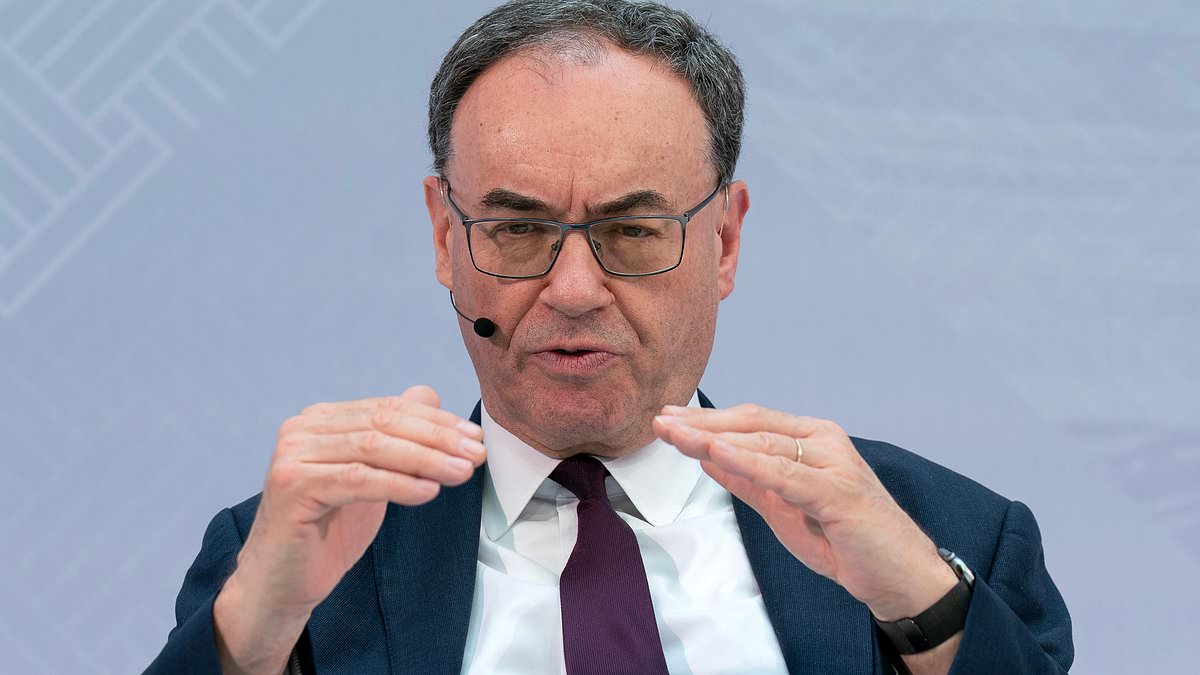
The latest jobs market data paints a mixed picture for Britain. The unemployment rate dipped to 4.9 per cent in February from 5.2 per cent, but the employment rate also fell and inactivity increased.The proportion of people who are unemployed and not looking for a job increased to 21 per cent in the three months to February, from 20.7 per cent in the previous three months.Vacancies have also dipped to their lowest level in nearly five years to 711,000, while the number of payrolled employees fell by 11,000 in the month to March.Crucially, though, the figures from the Office for National Statistics (ONS) predate the Iran war, and the associated energy price shock is likely to add further pressure to the market.It also makes it more difficult for the Bank of England, which will meet later this month, as it assesses how the impact of the war feeds through to the economy.Economists say that while the labour market was not loosening as much as feared, it remains in a fragile state. The headline unemployment rate fell but economic inactivity also increasedWhere does it leave the Bank of England ahead of its next meeting?Wage growth, which has been keenly watched by Bank of England rate setters, has continued to ease and is now at its lowest level in five years at 3.6 per cent.Before the surge in energy prices, a cooling job market and easing wage pressures had increased the likelihood of interest rate cuts. But the war has upended those expectations, with markets pricing in rates staying steady or even rising this year.That also threatens to do more harm than good at a time of weak growth and high unemployment.Governor Andrew Bailey has already indicated that the Monetary Policy Committee (MPC) will not rush to make the 'difficult' decision on interest rate rises. Economists think the Bank is likely to hold off on making any changes to rates at its 30 April meeting.As the BoE assesses how the Middle East conflict feeds through to prices and hiring decisions, a look under the bonnet suggests the market remains weak despite an improvement in the headline unemployment rate. While the jobless rate dropped in the three months to February, 'it does not appear to be because of a big shift into work,' says James Smith, UK economist at ING.'Instead, the details reveal the drop in the jobless rate is pretty much solely down to a rise in 'economic inactivity' – that is, people neither in work nor actively seeking it.'Private sector employment continues to drop as businesses contend with higher taxes and labour costs.'Today's report is a reminder that the UK jobs market is going into the current energy crisis in a fragile state,' says Smith.Sanjay Raja, chief UK economist at Deutsche Bank, adds: 'Big picture, we do not think today's data will alter the BoE's image of the labour market. The UK labour market is not out of the woods yet.'Wednesday's inflation figures will give a better indication of how the energy price shock is working its way through to the economy.'Unless there is a much larger and broader than expected surge in price pressures, then the Bank of England will likely keep rates on hold later this month,' says Luke Bartholomew, deputy chief economist at Aberdeen. Economists think the Bank of England will hold rates at its 30 April meetingWill the BoE hike rates later this year?The Iran war is likely to amplify existing trends. Payrolls data fell again over March– by 11,000 over the month according to early estimates - showing some of the early impact of the Iran war.Weaker pay growth will also 'compound the squeeze on households' from higher energy prices, says Martin Beck, chief economist at WPI Strategy.'While recent diplomatic developments may limit the worst-case outcomes, a period of falling real wages is still likely in the second half of the year, weighing on consumer spending and, in turn, labour demand.'Away from the war, businesses are battling cost pressures. This month, firms faced another increase in the minimum wage, a rise in business rates and hikes to energy bills.'In an environment where profits are squeezed, hiring is likely to slow which will put further upward pressure on the unemployment rate,' says Peter Dixon, senior economist at NIESR.Any further rise in inflation caused by the war could push companies to reconsider hiring and potentially cut staff.WPI Strategy's Beck adds: 'The cumulative impact of higher minimum wages, increased employer National Insurance contributions and new labour market regulations has reduced flexibility. 'As a result, economic shocks are likely to translate more readily into job losses than in the past.'Recent forecasts show unemployment could peak at 5.8 per cent later this year.While markets may still be eyeing rate hikes later this year, economists are more cautious. ING's Smith: 'For the time being, we think the Bank will opt against rate hikes this year, keeping the Bank Rate at 3.75 per cent instead.'Crucially, the last time the MPC was eyeing a hike to the base rate to combat inflation, the jobs market 'was in a very different place, with vacancy numbers boosted by a post-pandemic hiring spree,' says Danni Hewson, head of financial analysis at AJ Bell.'Now vacancies have fallen to a five-year low and that's only expected to get worse once the full impact of rising prices takes hold.'The risk is that the UK ends up with higher inflation and a stagnant economy – stagflation – leaving the Bank of England in a much trickier position.DIY INVESTING PLATFORMSAJ BellAJ BellEasy investing and ready-made portfoliosHargreaves LansdownHargreaves LansdownFree fund dealing and investment ideasinteractive investorinteractive investorFlat-fee investing from £4.99 per monthFreetradeFreetradeInvesting Isa now free on basic planTrading 212Trading 212Free share dealing and no account feeAffiliate links: If you take out a product This is Money may earn a commission. These deals are chosen by our editorial team, as we think they are worth highlighting. This does not affect our editorial independence.Compare the best investing account for you