'Deluded' Reeves insists she has the right plan despite 250,000 job losses among under-35s and living standards falling even before Iran war
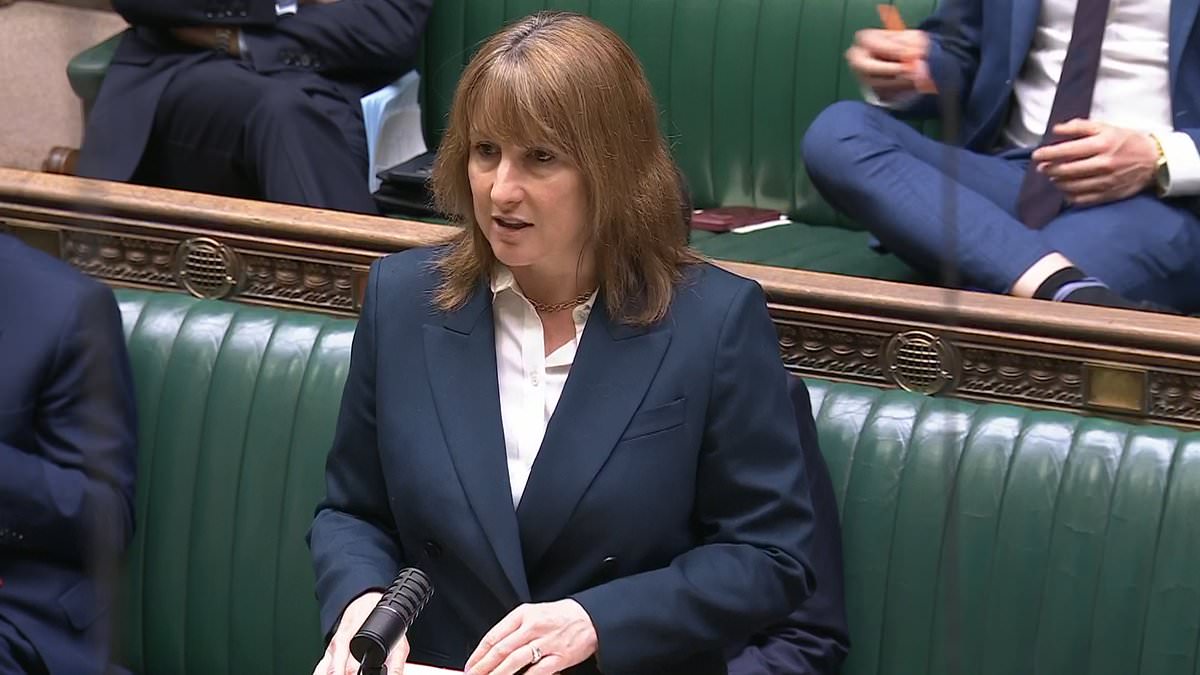
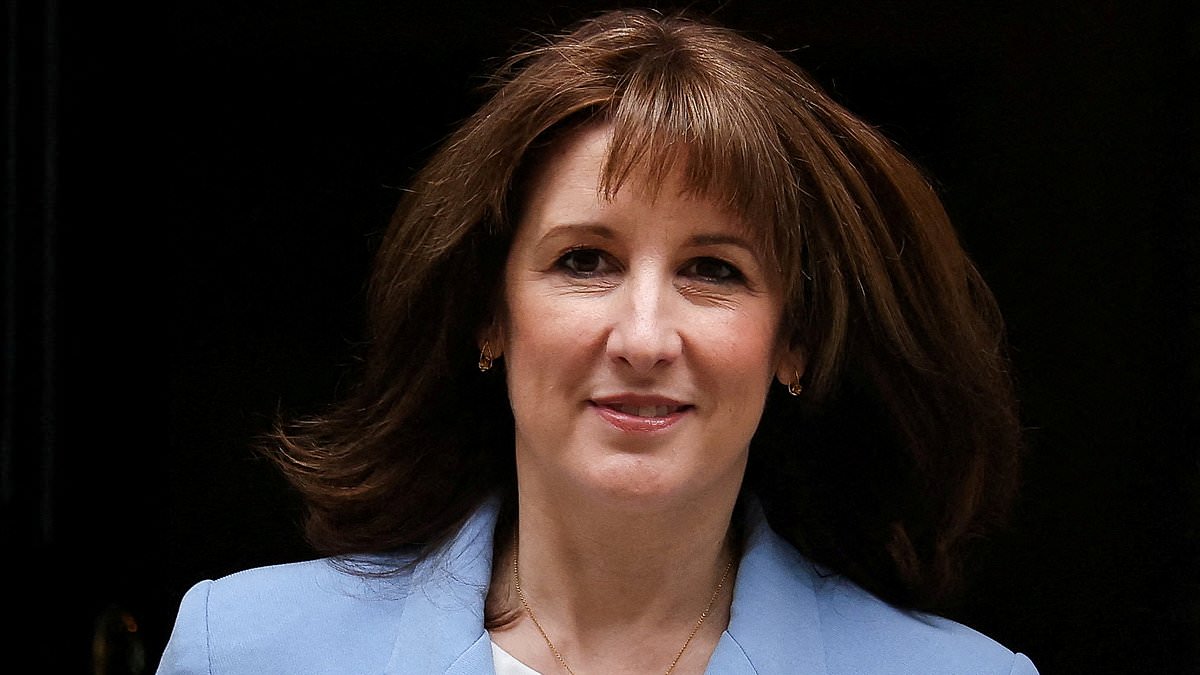
Rachel Reeves was branded 'totally deluded' on Tuesday as she insisted her plan is working despite grim figures showing a quarter of a million under-35s have lost work since Labour took power.As bleak data also showed living standards were shrinking even before the Iran war, the Chancellor claimed that Labour 'has prepared Britain to better weather this conflict'.But the Tories said Ms Reeves's policies were killing jobs while the boss of high street fashion giant Primark blamed the government for increasing the risk of hiring young people.Speaking in the House of Commons, Ms Reeves admitted that the Middle East conflict, which has choked off energy supplies and pushed up prices, will 'come at a cost' with growth set to slow and inflation turn higher.But she claimed that Labour 'has set the right economic plan to steer our economy through the uncertainty ahead'.However, critics say the party's measures – including tax hikes, botched business rates reform, steep increases in the minimum wage and a raft of new workers' rights – meant the jobs market was already struggling before the war broke out. Figures from the Office for National Statistics (ONS) on Tuesday showed earnings growth slowed sharply to 3.6 per cent in the three months to February, the weakest since November 2020 – with pay increases for the public sector continuing to outstrip those for private sector roles.They were even bleaker when looking at real terms pay growth, which take account of the rising cost of living. Chancellor Rachel Reeves claimed Labour 'has set the right economic plan'On this measure, real pay fell by 0.1 per cent in February, the first decline since 2023 – with the pain only likely to get worse as the Iran war pushes prices higher.And in another sign that Labour is crushing opportunity for young people, the figures revealed the number of under-35s on UK payrolls has fallen by more than 258,000 from just over 11 million when the party took power in July 2024 to less than 10.8 million last month.The ONS data also showed that overall unemployment fell from 5.2 per cent to 4.9 per cent in the three months to February, in a boost for the Chancellor.However, that was largely attributed to a sharp rise in the number of people excluded from the statistics altogether because they are 'economically inactive' – neither working nor looking for work.Tory shadow chancellor Sir Mel Stride said: 'Rachel Reeves is totally deluded if she thinks her so-called plan is working.'Sir Mel blamed Ms Reeves's £25 billion raid on employer national insurance for making it more expensive for business to hire – especially young people.'That's the contradiction at the heart of Labour's plan: they talk about opportunity, but their policies kill jobs,' he added.'You don't get more people into work by punishing the very businesses that hire them.'And George Weston, boss of Primark owner Associated British Foods told the Mail that large rises in the minimum wage were piling on costs for employers. He added that 'the negative consequences of some of the employment law changes will be felt more in unemployment'.Mr Weston agreed it had become harder to hire young people, adding: 'If you increase the risk of giving a young person a chance, then you'll decrease the number of opportunities that young person has to get to find a job.'Martin Beck, chief economist at consultancy WPI Strategy, said: 'It's pretty clear that higher labour costs, reflecting last year's increase in employer NICs and rises in the adult minimum wage is weighing most heavily on entry-level hiring.'Tuesday's ONS figures also showed overall payroll numbers fell by 11,000 in March while the number of vacancies in the economy in the three months to March sank to 711,000, the lowest level since April 2021.Modupe Adegbembo, economist at investment bank Jefferies, said: 'Today's UK labour market data deliver a clear underlying message. Even before any inflation shock, the labour market was already weakening beneath the surface.'Alex Hall-Chen, advisor at the Institute of Directors, a business group, said the figures reflect 'ongoing stagnation in employer demand for labour'.'A cocktail of increased employment costs and regulations, coming at a time of record low business confidence, has made hiring new staff a significantly less attractive proposition for employers,' Ms Hall-Chen added.