Government wouldn't rule out postponing carbon tax again
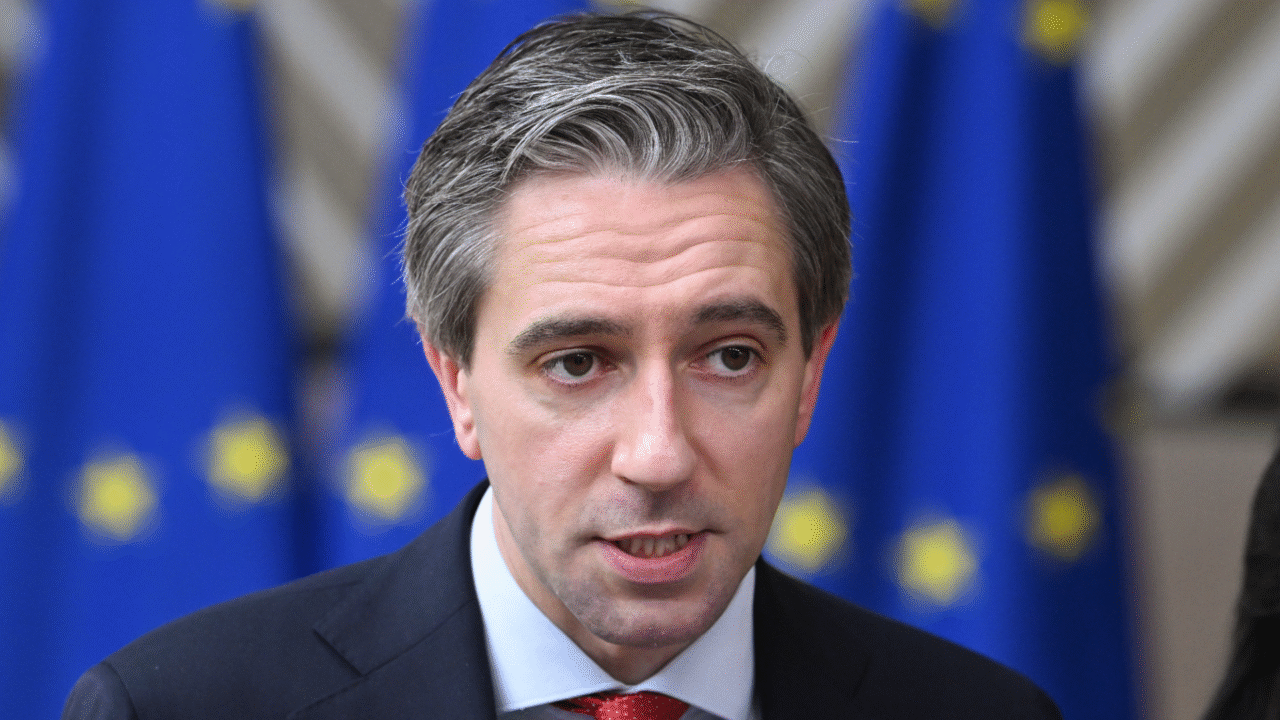
Tánaiste Simon Harris has said he would not “rule out any taxation measure” when asked if the Government could postpone the carbon tax increase again later this year.
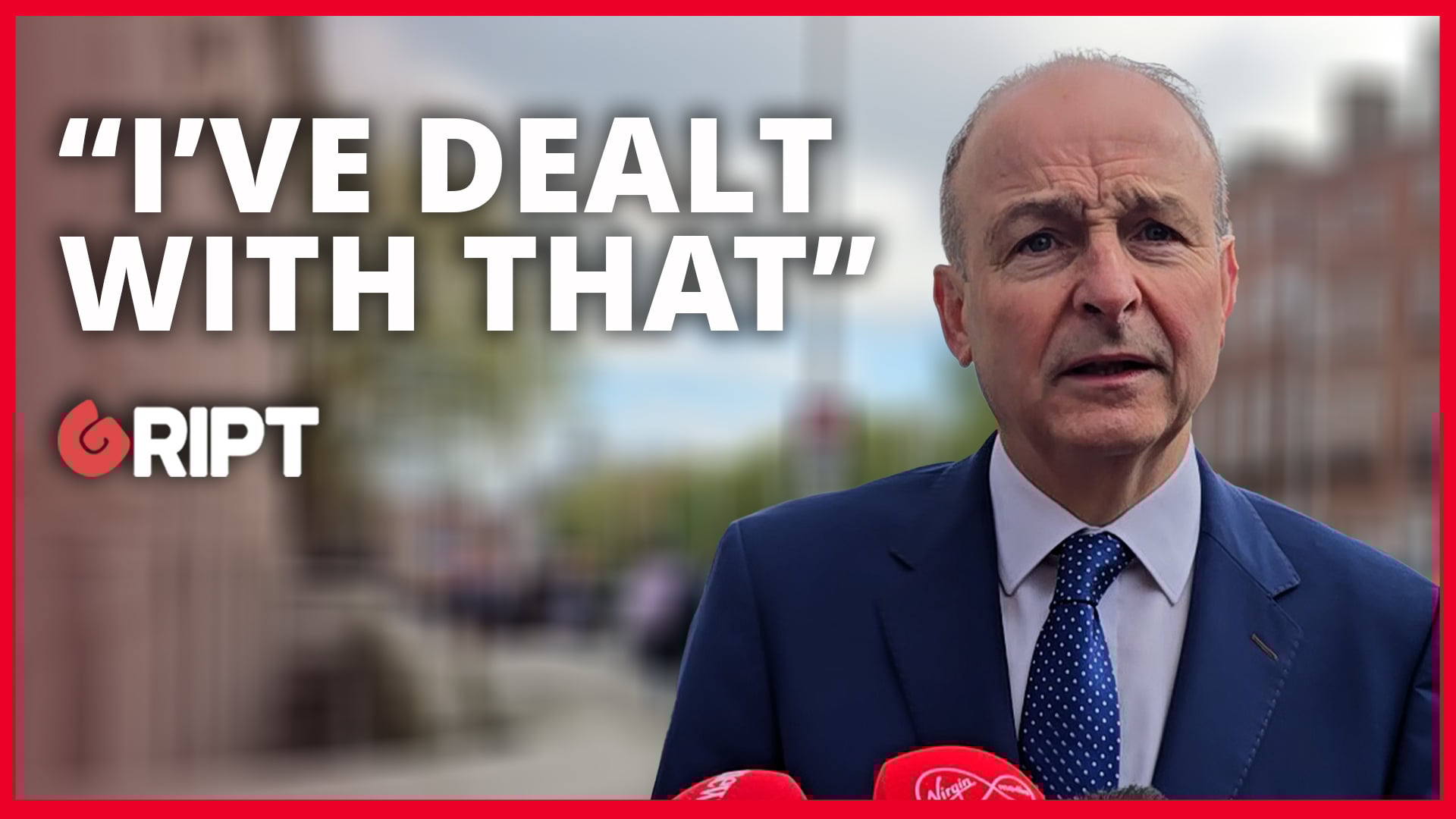
Speaking to Gript outside Government Buildings ahead of this morning’s Cabinet meeting, the Fianna Fáil Minister was asked whether a further deferral of the planned October increase could be considered if energy prices remain high into the winter.
Harris pointed to last week’s decision to delay the increase, describing it as a response to current conditions and indicating that wider considerations would be taken into account ahead of the Budget.
“So I’m not going to deliver the budget now, that’ll be on the 6th of October,” he said.
“But what we did last week, which I think was a sensible thing to do in the midst of an energy crisis, was we deferred the increase.
“And that allows the government look at all of these issues in the round.”
He also outlined his support for the tax and how its revenues are used.
“I support the carbon tax; it brings in a lot of money,” Harris said.
“That money is deployed to help farmers as well, to help people at risk of fuel poverty, and to help with retrofitting.
“But we will have to look at energy costs in the round, and what the government has done now is deferred any increase until after the date of the budget, and that allows the Oireachtas consider this at the time.”
When pressed directly on whether a further postponement could be ruled out, Harris said such decisions would remain open ahead of the Budget process.
“So I don’t think any finance minister would rule out any taxation measure in the month of April,” he said.
“So we look at all of this in the round.”
“Believe in the carbon tax, the carbon tax an important part of the income this state brings in. When increases happen, what the trajectory is, these are all matters for budgetary considerations.”
The carbon tax has been increased incrementally in recent budgets as part of the Government’s climate policy, with revenues earmarked for measures such as retrofitting schemes and supports for households facing energy poverty.
However, rising energy costs in recent years have led to repeated calls for delays or adjustments to planned increases, particularly in the lead-up to winter periods when household energy demand is highest.